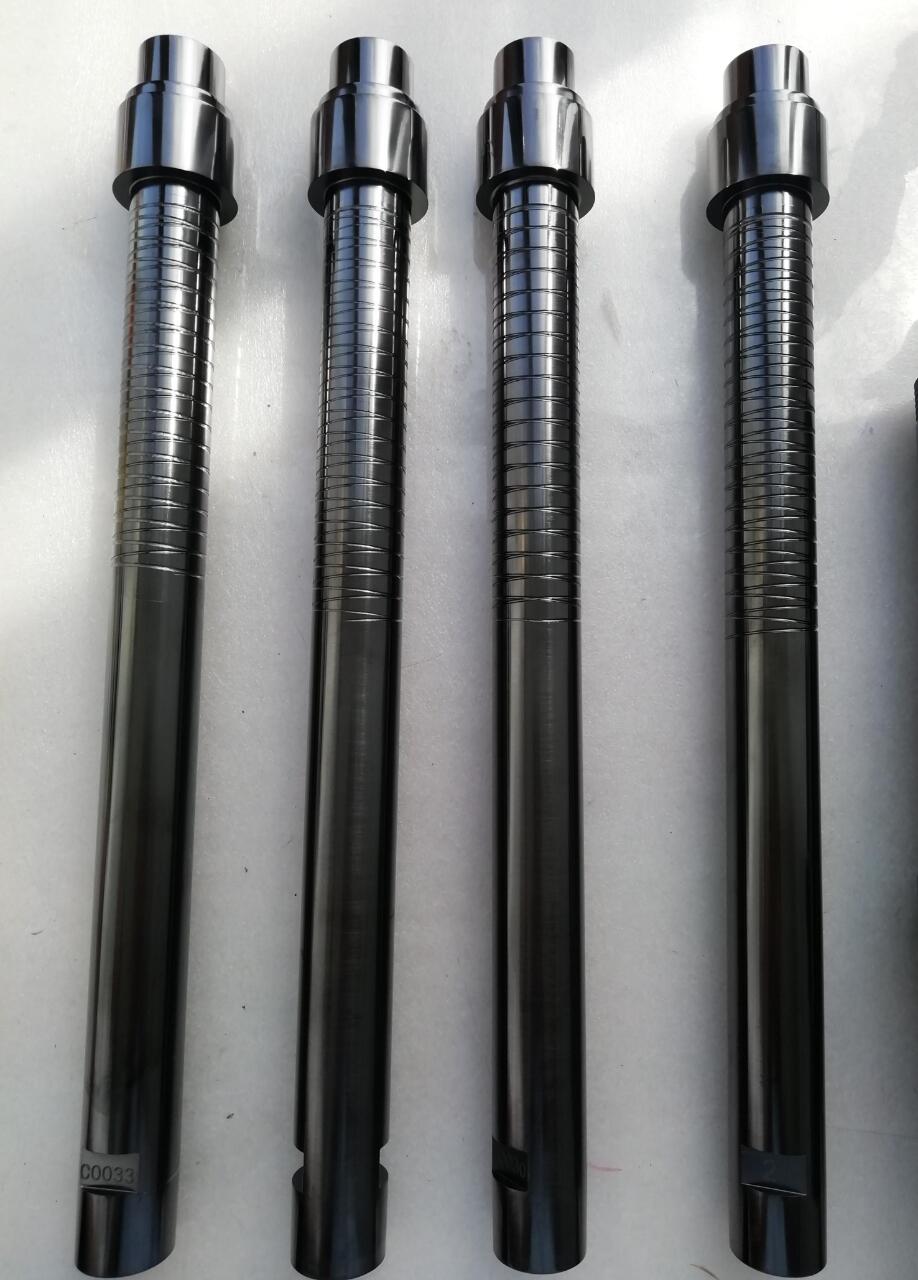
info@hxcnc.com Shenzhen, China Reply within 24 hours
ISO 9001 : 2015 Get Instant Quote
Post-Processing & Finishing

Surface
Treatment

From mechanical polishing and bead blasting to hard anodizing, PVD coatings, and DLC — we offer a complete range of surface treatment processes to enhance the appearance, corrosion resistance, wear performance, and functional properties of your CNC machined parts.

25+
Processes
5
Categories
Ra 0.05μm
Mirror Finish
Anodized Parts
Polished Metal
Plated Parts
Anodizing Polishing Bead Blasting Hard Anodizing Nickel Plating Powder Coating DLC Coating PVD / CVD Coating Passivation Chrome Plating PTFE Coating Laser Engraving Anodizing Polishing Bead Blasting Hard Anodizing Nickel Plating Powder Coating DLC Coating PVD / CVD Coating Passivation Chrome Plating PTFE Coating Laser Engraving
01
Mechanical Surface Treatment
Physical processes that alter surface texture, finish, and cleanliness
Polishing
Polishing
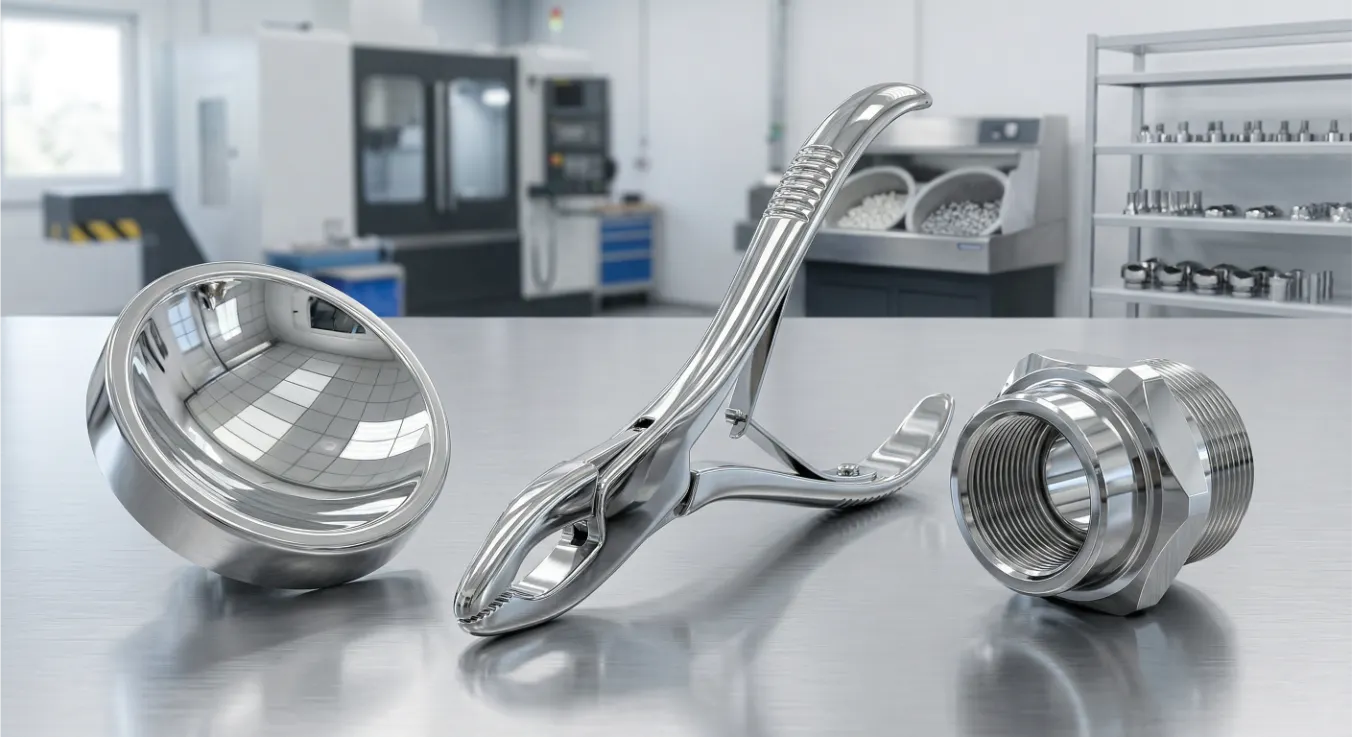
Mechanical and electropolishing to achieve mirror-grade surfaces. Ra down to 0.05 μm. Applied to stainless steel, aluminum, brass, and titanium for medical, optical, and decorative parts.
Ra 0.05 μmMirror FinishSS / Al / Ti
Learn More
Brushing
Brushing / Hairline Finish
Directional grain finish using abrasive belts or pads. Creates a consistent satin sheen with visible linear texture. Common on stainless steel and aluminum consumer and industrial parts.
Linear GrainSatin SheenDecorative
Learn More
Bead Blasting
Bead Blasting / Sandblasting
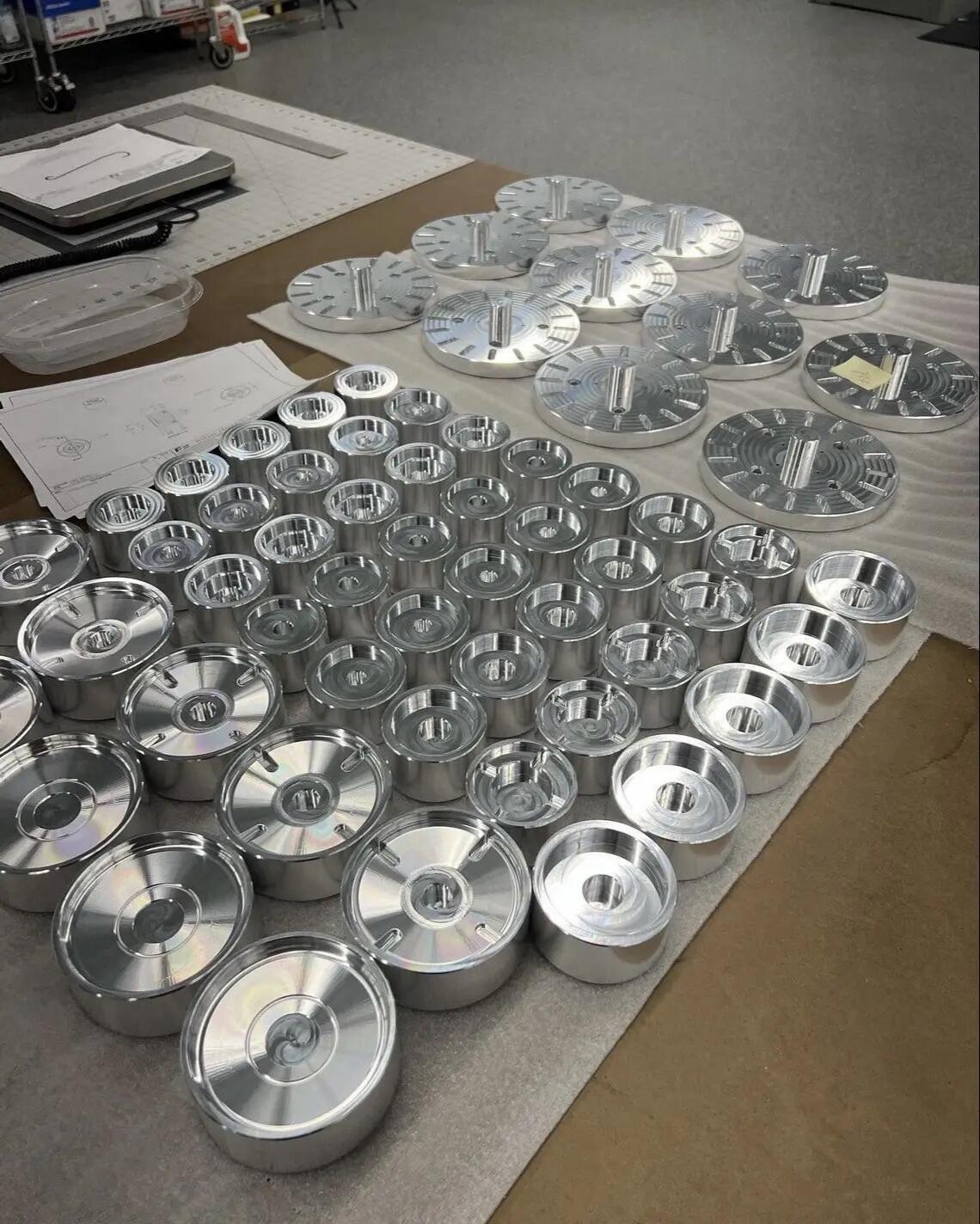
Abrasive media propelled at high velocity creates a uniform matte or satin texture. Removes machining marks, improves surface uniformity, and prepares parts for anodizing or coating.
Glass BeadAl₂O₃Pre-Anodize Prep
Learn More
Vibratory Finishing
Vibratory Finishing / Tumbling
Mass finishing process using ceramic or plastic media in a vibratory bowl. Efficiently deburrs, edge-breaks, and improves surface finish on large batches of small to medium parts simultaneously.
High VolumeEdge BreakingBatch Process
Learn More
Deburring
Deburring
Manual, mechanical, or thermal removal of machining burrs from edges and holes. Critical for functional parts where burrs could cause assembly failure, seal damage, or contamination.
ManualMechanicalThermal
Learn More
Chamfering Edge Breaking
Chamfering & Edge Breaking
Controlled edge geometry modification — chamfers, radii, and blend edges applied to sharp corners. Improves safety, prevents coating peeling, and meets aerospace edge requirements (AMS 2488).
Controlled RadiusAMS 2488Aerospace
Learn More
02
Chemical Surface Treatment
Electrochemical and chemical conversion processes for corrosion protection and surface modification
Anodizing Most Requested
Chemical · Featured Process

Anodizing (Type II)

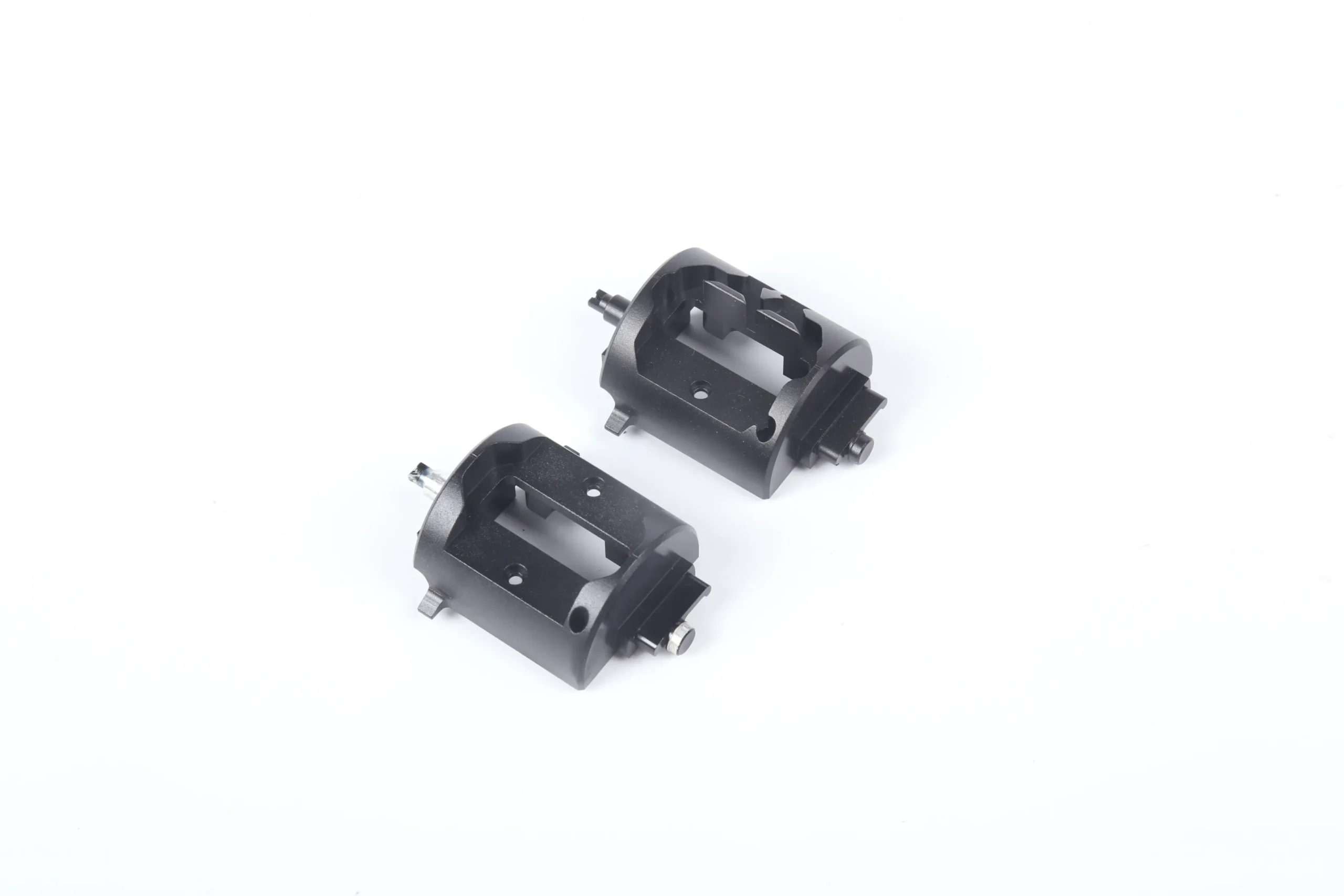
Electrochemical oxidation that converts the aluminum surface into a hard, porous aluminum oxide layer — naturally corrosion-resistant, electrically insulating, and receptive to dye coloring. Type II anodizing is the industry standard for aluminum parts requiring cosmetic consistency and moderate wear resistance.

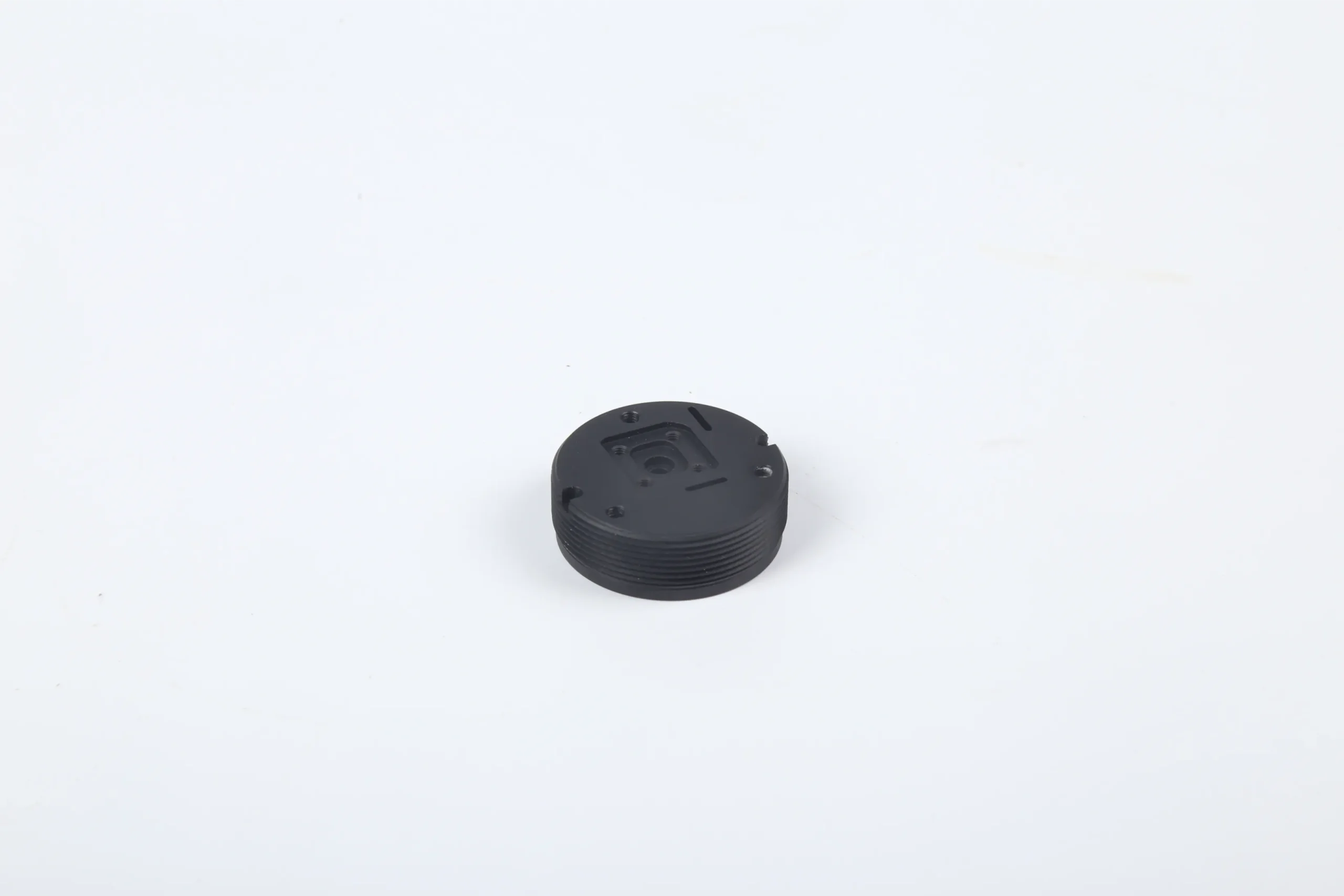
Thickness: 5–25 μmClear / Black / Color Al 6061 / 7075 / 6063MIL-A-8625 Type II
Full Process Details
Passivation Stainless
Passivation
Chemical treatment for stainless steel that removes free iron contamination and strengthens the natural chromium oxide passive layer. Dramatically improves corrosion resistance in humid, saline, and chemical environments.
ASTM A967AMS 2700304 · 316L · 17-4PH
Learn More
Chemical Oxidation Blackening
Chemical Oxidation / Blackening
Hot caustic blackening (black oxide) for steel parts — provides a matte black appearance, light corrosion resistance, and minimal dimensional change (<0.001 mm). Common on tools, fixtures, and mechanical components.
Black Oxide~0 Dimension ChangeSteel Parts
Learn More
Pickling Acid Washing
Pickling & Acid Washing
Acid bath treatment that removes scale, rust, heat tint, and oxide layers from metal surfaces. Used as a pre-treatment step before welding, plating, or coating, and to restore stainless steel after heat-affected zone discoloration.
Scale RemovalPre-TreatmentHAZ Cleaning
Learn More
03
Electroplating
Metallic coating deposition for corrosion protection, conductivity, hardness, and aesthetics

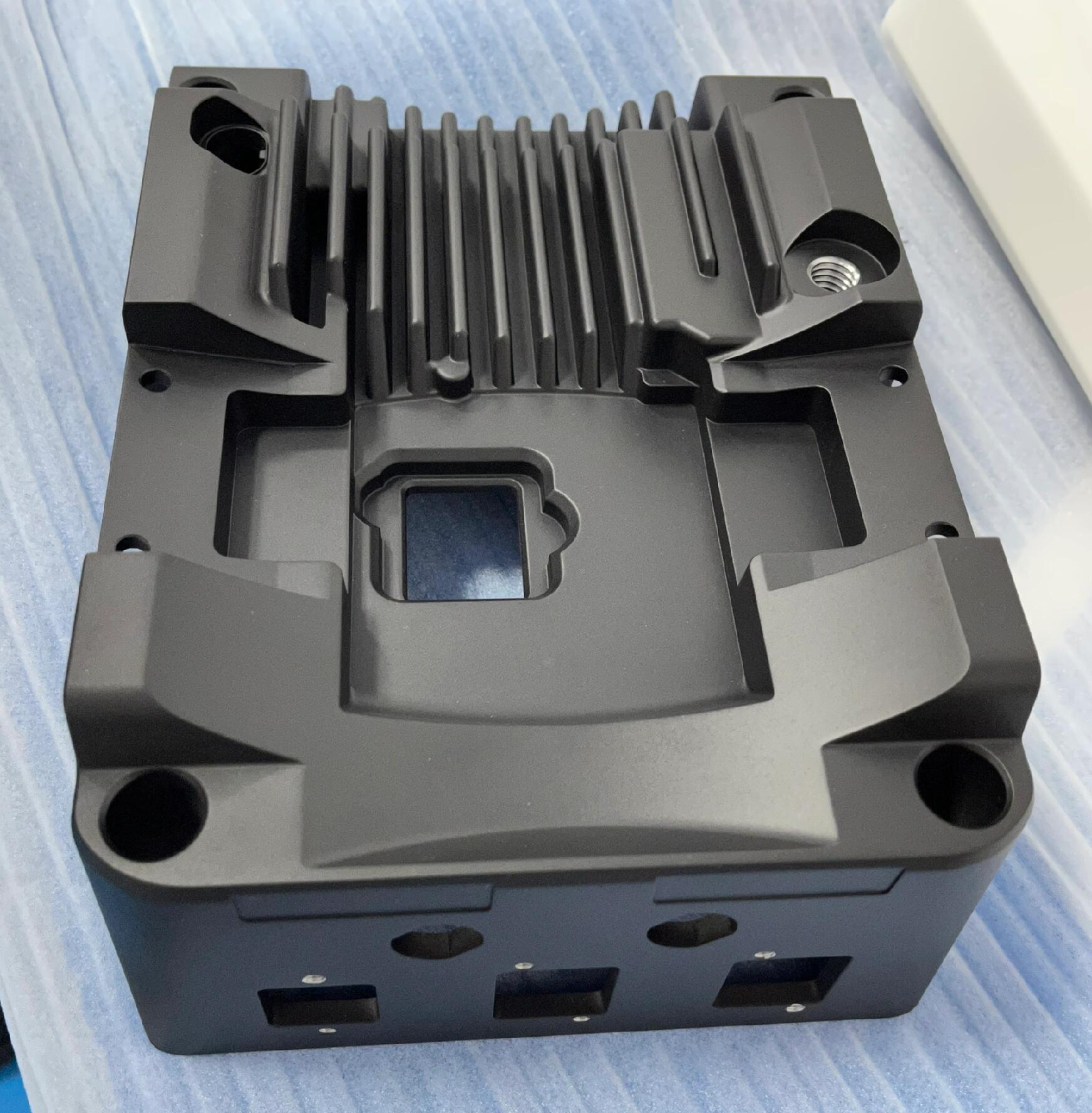
Electroplating deposits a thin, uniform metallic layer onto base materials through electrochemical processes. The choice of plating metal determines the functional properties — corrosion resistance, hardness, conductivity, solderability, or appearance. We offer 7 plating types to cover all application requirements.

Zn
Zinc Plating
General corrosion protection. Blue-bright or yellow chromate passivation.
Learn More →
Ni
Nickel Plating
Bright or electroless nickel. Uniform coverage on complex geometry. Wear & corrosion resistance.
Learn More →
Cr
Chrome Plating
Hard chrome for wear surfaces; decorative chrome for appearance. High hardness Hv 800–1000.
Learn More →
Cu
Copper Plating
High conductivity base layer. Used as under-plate or for EMI shielding applications.
Learn More →
Ag
Silver Plating
Maximum electrical conductivity. RF components, contact surfaces, and antenna connectors.
Learn More →
Au
Gold Plating
Corrosion-proof contact surfaces. Connectors, PCB contacts, and precision instrument parts.
Learn More →
Sn
Tin Plating
Excellent solderability and food-contact safety. Used on electronics terminals and food-processing equipment fittings.
Learn More →
04
Coating & Painting
Organic and functional coating processes for protection, aesthetics, and low-friction surfaces
Powder Coating
Powder Coating
Electrostatically applied thermosetting polymer powder cured under heat. Produces a durable, chip-resistant, and UV-stable coating 60–100 μm thick. Full RAL/Pantone color range with matte, gloss, satin, and textured finishes available.
60–100 μmFull RAL RangeMatte / Gloss / Texture
Learn More
Liquid Paint Spraying
Liquid Paint / Spray Painting
Conventional liquid paint spraying for complex geometry, thin-wall parts, or where powder coating process temperatures are not suitable. Available in primer + topcoat systems with custom RAL colors.
Complex GeometryCustom ColorLow-Temp Process
Learn More
E-Coat Electrophoresis
E-Coat / Electrophoretic Coating
Electrically deposited paint that penetrates cavities, blind holes, and complex internal geometry with perfect uniformity — impossible with spray painting. Exceptional corrosion protection at 15–25 μm thickness.
15–25 μmInternal SurfacesComplex Geometry
Learn More
Teflon PTFE Coating
PTFE / Teflon Coating
Sprayed and baked PTFE coating creates an ultra-low friction, chemically inert, and non-stick surface. Applied to valve bodies, mold surfaces, food-contact parts, and mechanical guides where stick-slip must be eliminated.
μ 0.04–0.10Non-StickChemical Inert
Learn More
Not sure which coating?
We'll recommend the right process for your part
Talk to an Engineer →
05
High-Performance Functional Treatments
Advanced surface engineering for extreme wear, temperature, and precision requirements
Hard Anodizing
Hard Anodizing (Type III)
25–75 μm dense oxide layer. Hv 350–550, excellent wear and dielectric resistance. MIL-A-8625 Type III.
Learn More →
DLC Diamond Like Carbon
DLC Coating
Diamond-Like Carbon — Hv 2000–8000, μ <0.1, 1–5 μm. Near-zero dimensional impact. Cutting tools, molds, engine parts, precision shafts.
Learn More →
PVD CVD Coating
PVD / CVD Coating
TiN, TiAlN, CrN, AlCrN — Hv 2200–3300. Wear and oxidation resistance for cutting tools, mold inserts, and sliding surfaces at high operating temps.
Learn More →
Laser Engraving Marking
Laser Marking & Engraving
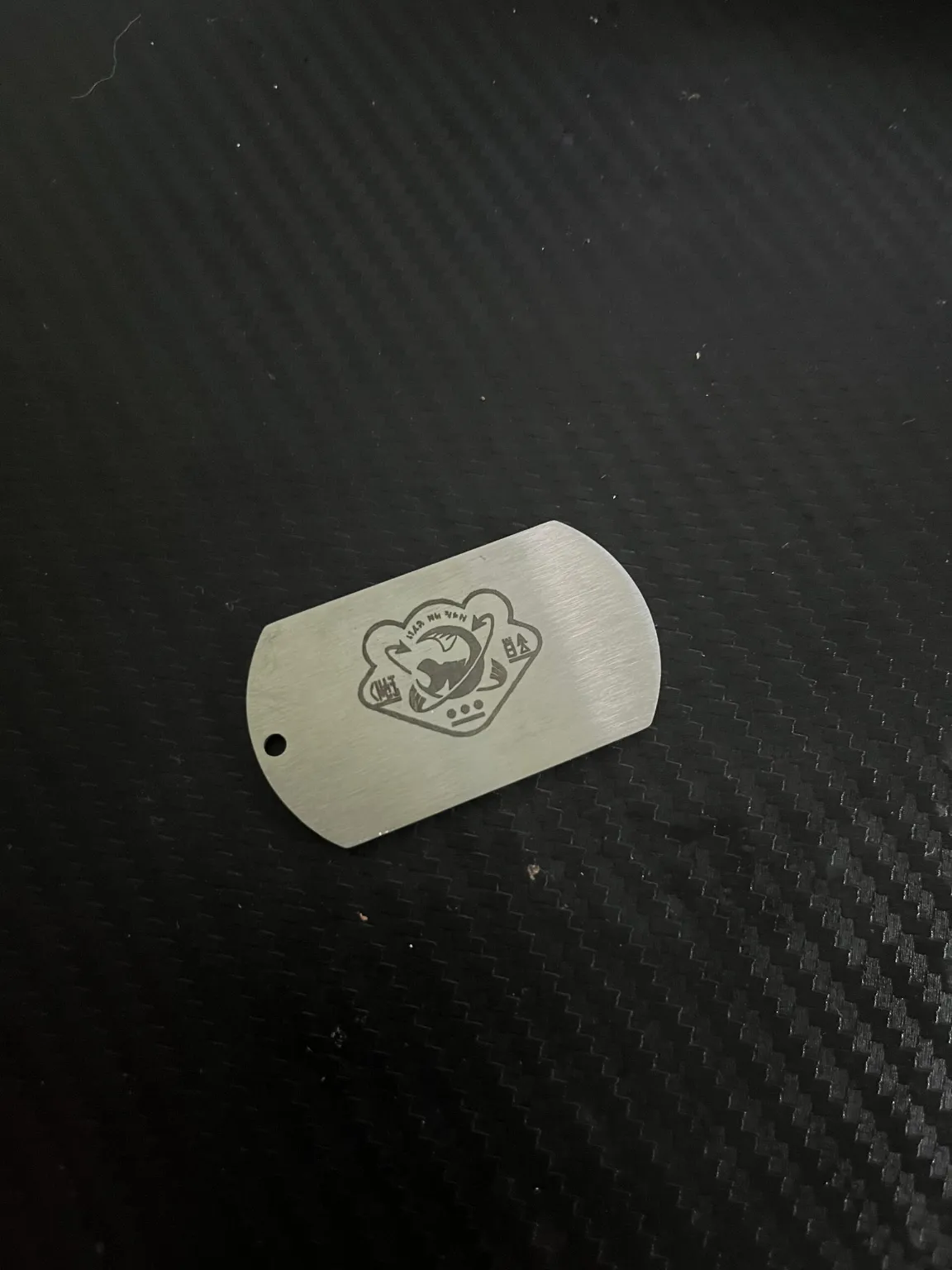
Permanent, high-precision laser marking for part numbers, logos, QR codes, and serial numbers. No ink, no chemicals. Pad printing and silk screening also available for color branding.
Learn More →
High-Performance Coating Comparison
Process Hardness Thickness Friction (μ) Max Temp
Hard Anodizing (Type III) Hv 350–550 25–75 μm 0.35–0.5 180°C Details →
DLC Coating Hv 2000–8000 1–5 μm <0.1 350°C Details →
TiN PVD Hv 2200 2–5 μm 0.4–0.6 600°C Details →
TiAlN PVD Hv 3300 2–6 μm 0.4–0.6 900°C Details →
Ceramic Coating Hv 1200+ 100–300 μm 0.3–0.5 1200°C Details →
Quick Reference

Process Selection Guide

Process Primary Benefit Base Material Typical Thickness
PolishingAppearance, Ra 0.05 μm, biocompatibilitySS, Al, Ti, BrassMaterial removalDetails →
Bead BlastingUniform matte texture, pre-coat prepAll metalsSurface onlyDetails →
Anodizing Type IICorrosion resistance, color, insulationAluminum only5–25 μmDetails →
Hard AnodizingHardness Hv 500+, wear resistanceAluminum only25–75 μmDetails →
PassivationCorrosion resistance on stainlessStainless steelConversion onlyDetails →
Zinc PlatingGeneral corrosion protection, low costSteel, iron5–25 μmDetails →
Nickel PlatingUniform coverage, moderate corrosionMost metals5–50 μmDetails →
Hard ChromeWear resistance Hv 900, low frictionSteel, SS20–500 μmDetails →
Powder CoatingDurable color, chip resistanceSteel, Al60–100 μmDetails →
PTFE CoatingNon-stick, low friction μ <0.1Most metals15–30 μmDetails →
DLC CoatingExtreme hardness, near-zero frictionSteel, Ti, WC1–5 μmDetails →
PVD / CVDTool life, oxidation resistanceSteel, carbide2–6 μmDetails →
25+
Finishing Processes
Ra 0.05μm
Finest Surface
Hv 8000
Max DLC Hardness
24hr
Quote Turnaround
Get a Quote

Send Your Drawing.
Get a Quote.

Every enquiry includes a DFM review — tolerance feasibility, material confirmation, and process approach confirmed before production starts. MOQ 1 piece.

24hr
Quote Response
MOQ 1
Prototypes OK
ISO
9001:2015
📐
DFM Review on Every Enquiry
Tolerance feasibility, fixturing strategy, and material confirmation. Specific, actionable feedback — not generic pushback.
🎯
First Article Inspection — Standard
FAI report on every new run. Material certs and surface treatment certs included with every shipment.
🔄
Same Process: Prototype to Production
Process plan from your prototype applies to production batches. No re-qualification when you scale.
3 / 4 / 5-Axis CNC + Turning
Complex structural parts, shafts, housings, and transmission components. Metals and engineering plastics.
ISO 9001:2015 3/4/5-Axis Milling CNC Turning CMM Inspection Global Delivery