info@hxcnc.com Shenzhen, China Reply within 24 hours
ISO 9001 : 2015 Get Instant Quote
Medical Device

CNC Machining Solutions forMedical Device Components

Precision components for medical equipment structures, surgical instrument parts, and corrosion-resistant assemblies.

We machine structural components for surgical instruments, diagnostic equipment, medical housings, and device assemblies — with biocompatible material handling, traceable processes, and complete documentation packages for global regulatory submissions.
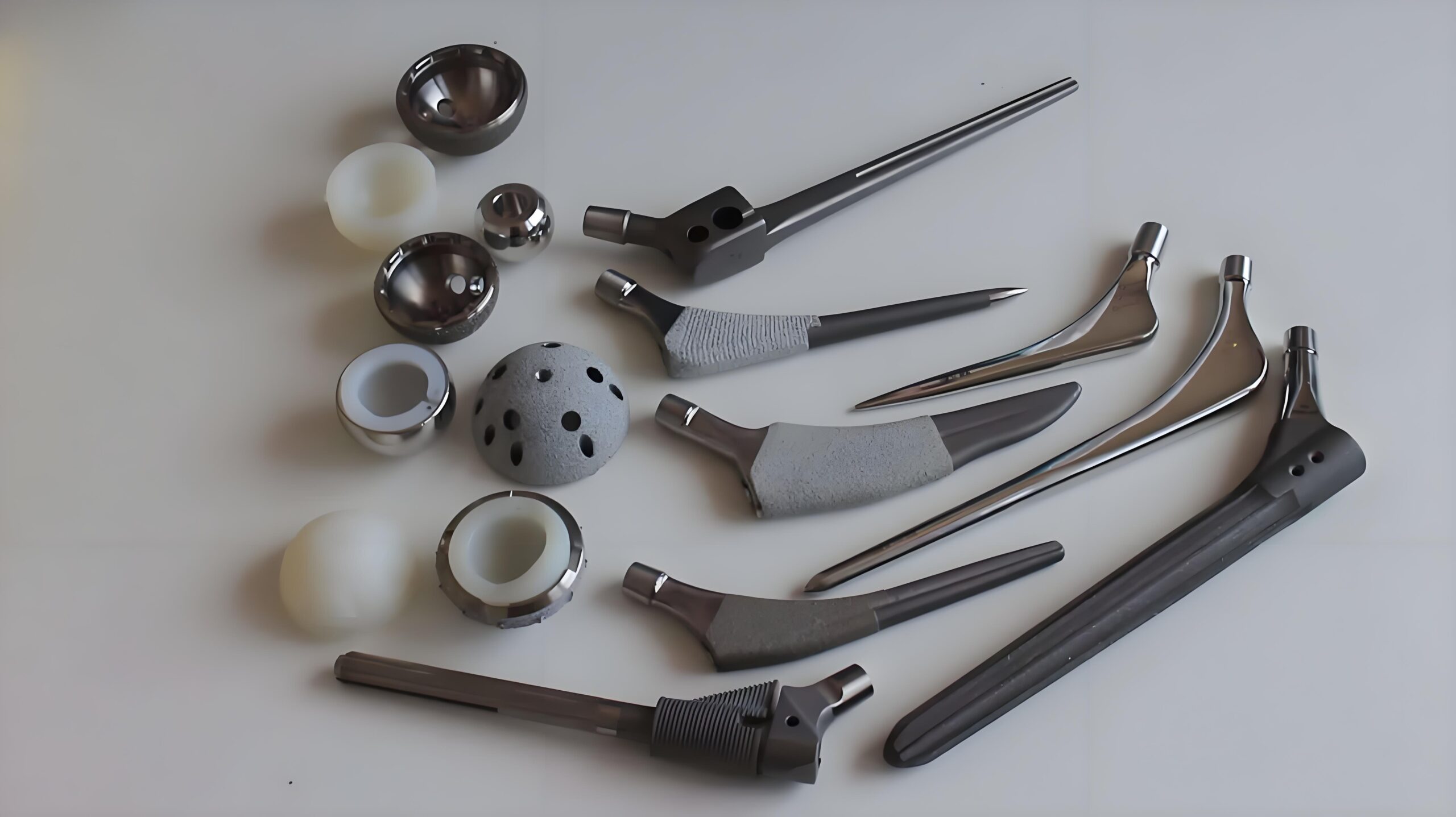
Medical Device Precision Components
316L / Ti / PEEK · Full Traceability
316L / Ti / PEEK
Biocompatible Materials
Ra 0.4–0.8 μm
Surgical Surface Finish
Full Traceability
Mill Cert to Finished Part
10–21 Days
Lead Time
Industry Challenges
Manufacturing Challenges in This Industry

The manufacturing pain points our customers in this industry face most often — and how we address each one before it becomes a problem on your assembly line.

Medical device surgical instrument precision parts

Small, Precise, and Complex Functional Parts

Surgical instrument components combine miniaturization with demanding geometric accuracy. Jaw profiles, cam mechanisms, and fine-thread features must all be machined to sub-0.01 mm accuracy for reliable instrument function in clinical use.

Surface Finish and Dimensional Consistency

Instrument gripping surfaces, mating interfaces, and structural joints require consistent surface finish and dimensional quality across every part in a batch — not just the first article. Variation causes assembly inconsistency and field reliability issues.

Material Compatibility and Corrosion Resistance

Parts that contact patients or operate in sterilization environments must be machined from compatible materials and finished with processes that maintain corrosion resistance through repeated autoclave cycles and chemical sterilization.

High Assembly Reliability and Documentation

Medical device structures must assemble correctly and function reliably over the device's service life. Regulatory submissions require complete supplier documentation — material certs, process records, and dimensional reports for every production lot.

Parts We Machine
Typical Medical Device Parts We Manufacture

Structural, functional, and connecting components used in surgical instrument assemblies, medical equipment housings, and diagnostic device structures.
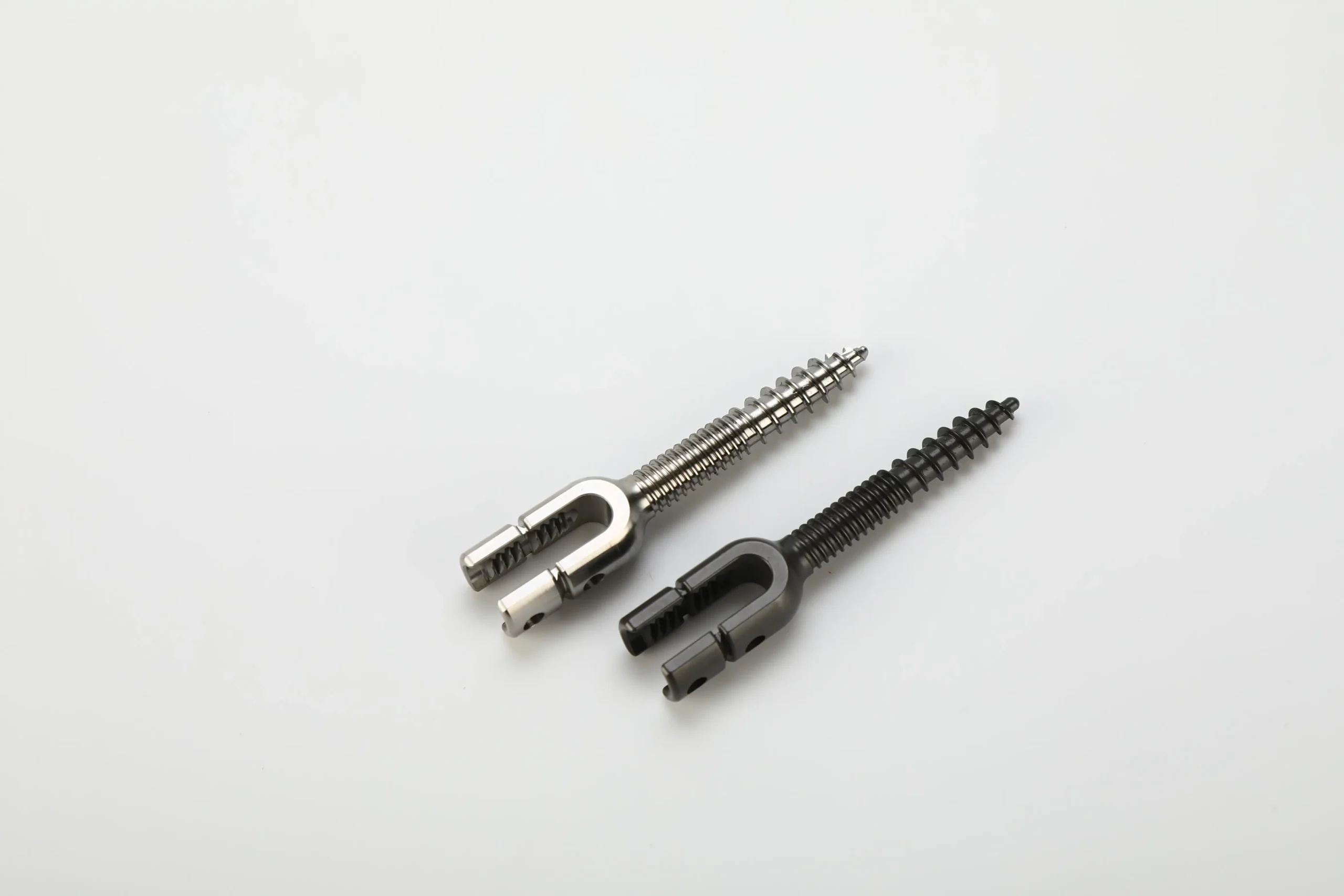
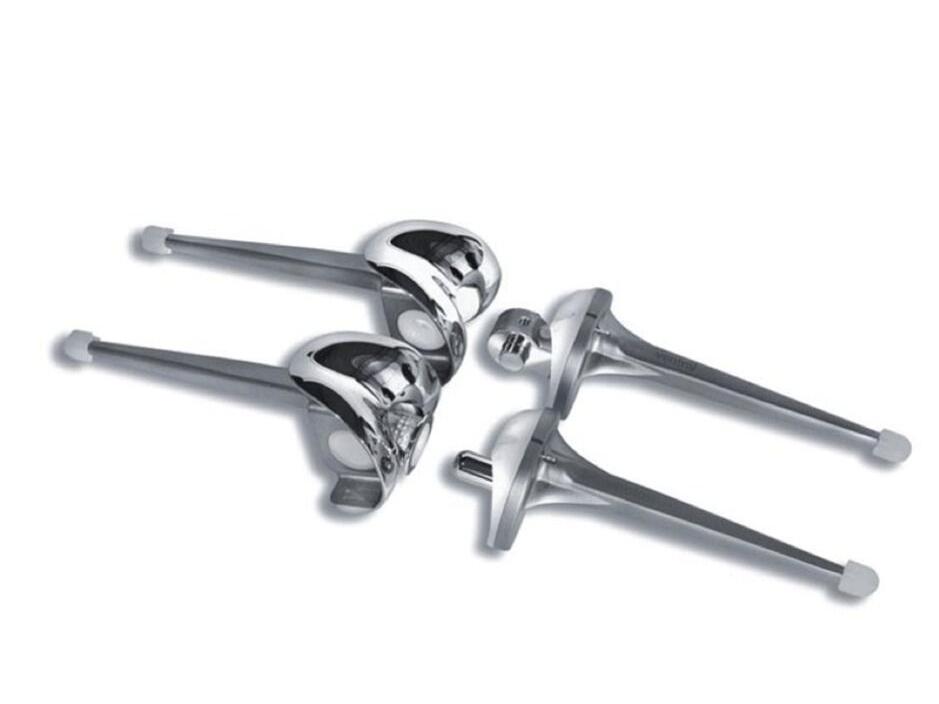
Surgical instrument body stainless steel
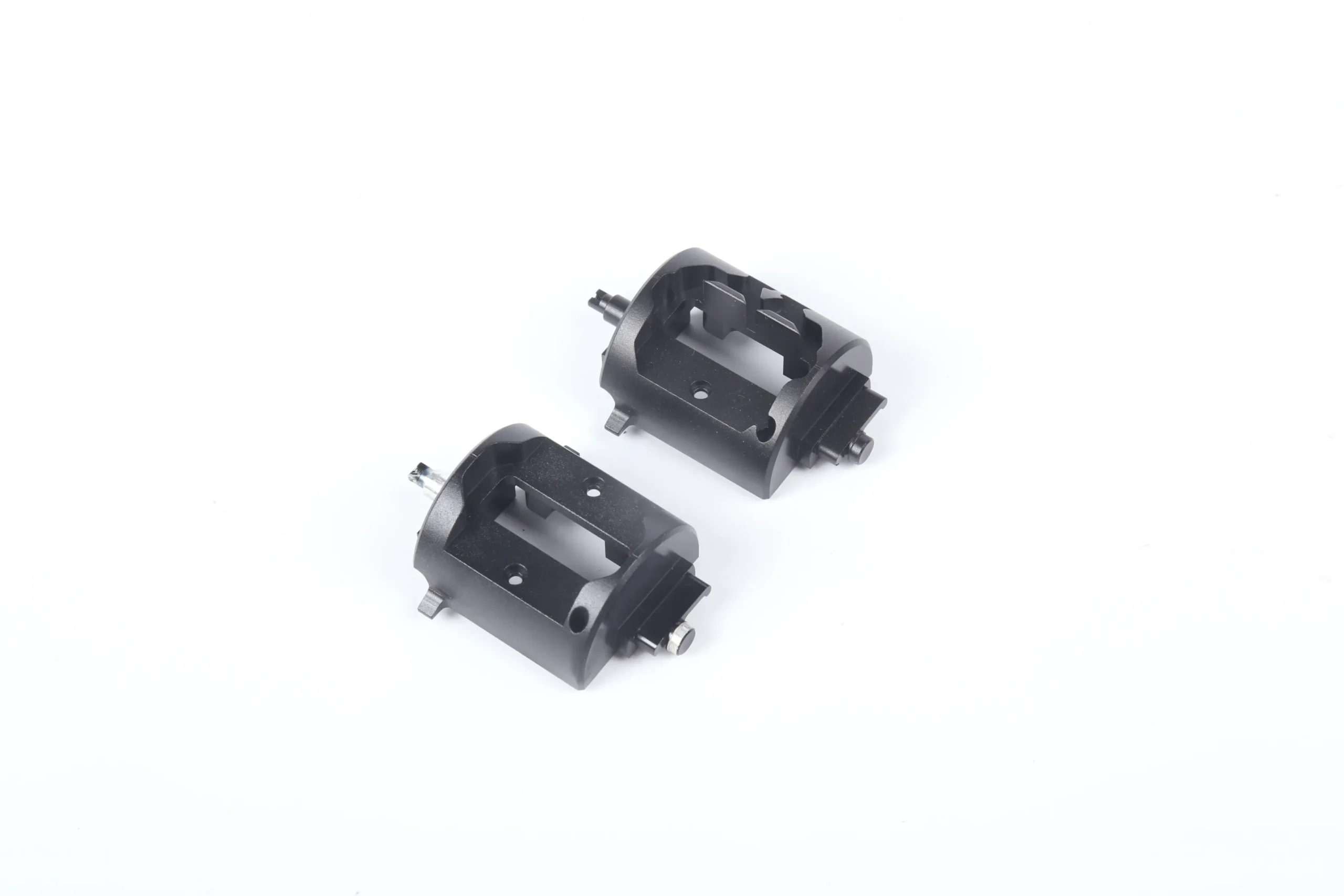
Medical device housing precision machined
Medical clamping connecting precision parts
Surgical instrument jaws and hinge pins
Titanium surgical handles MRI compatible
PEEK radiolucent diagnostic device parts
Surgical Instrument Parts
Instrument body structures
Jaw components
Hinge pins and pivot shafts
Locking mechanism parts
Handle structures
Medical Equipment Parts
Device housings
Equipment mounting plates
Diagnostic equipment frames
Sensor holder brackets
Cable management clips
Functional & Connecting Parts
Medical clamping components
Corrosion-resistant connectors
Precision handles
Interface adapters
Diagnostic device parts
Our Advantages
Why Customers in This Industry Work With Us

Specific machining, quality, and project support capabilities that match what this industry actually demands — not generic claims.

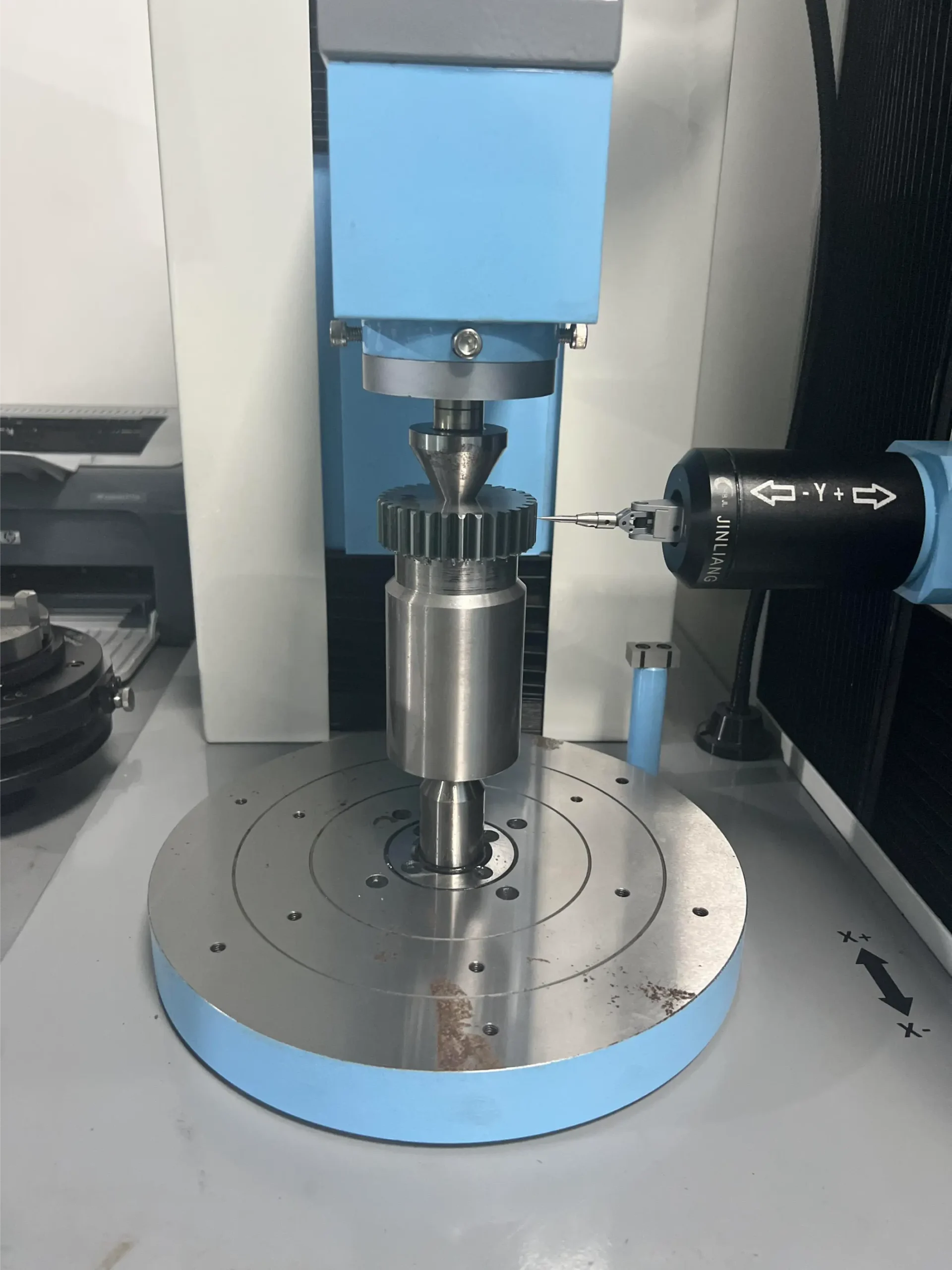
CMM inspection medical precision parts
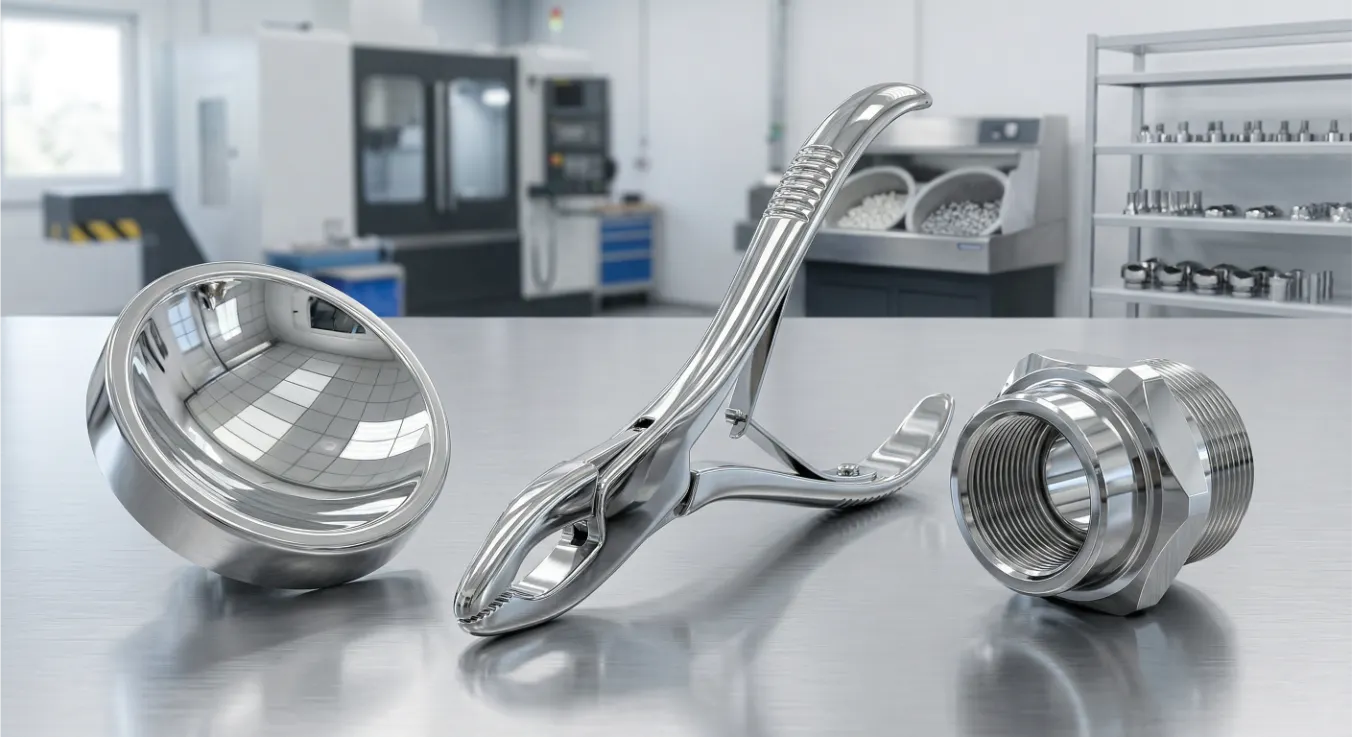
Electropolish passivation stainless surface
Surgical instrument body precision
Medical documentation traceability materials
01
Biocompatible Material and Process Control

We machine 316L stainless, Ti-6Al-4V ELI, and PEEK using controlled cutting fluids that eliminate contamination risk. Material traceability is maintained from raw mill stock to finished part with every lot.

02
Complete Documentation for Regulatory Support

Material certifications, in-process inspection records, CMM reports, and CoC are issued with every medical order. Our documentation format supports FDA, CE, and NMPA regulatory filing requirements.

03
Electropolish and Passivation In-House

Electropolish and nitric passivation are performed with documented bath chemistry and process parameters — fully traceable and included in your documentation package with no outsourcing delays.

04
Engineering Review for Medical DFM

Our engineers review surgical instrument designs for machinability, material suitability, and sterilization compatibility before cutting begins — reducing revision cycles and accelerating your validation process.

How We Help
How We Help You Build Faster and More Reliably

From your first drawing to stable production delivery — a clear process that keeps your development and production schedule on track.

Medical device engineering documentation review
01
Drawing & Documentation Requirement Review

We review component drawings alongside documentation requirements — material cert format, inspection report format, CoC content — before quoting.

02
Quote with Material and Process Plan

You receive a quote specifying material grade, process sequence, surface finish, and documentation package — matched to your regulatory submission requirements.

03
First Article with Full Inspection Report

First parts are machined, finished, and inspected. CMM dimensional report, surface roughness measurement, and material cert are delivered together with the physical parts.

04
Validated Batch Production

Production runs use locked programs and documented inspection plans. Consistent quality and full traceability from first batch to hundredth batch.

Materials, Processes & Finishes
What We Work With for This Industry

Material, machining process, and surface finish are coordinated at the quoting stage. Every combination below is validated on active customer programs.

Common Materials
316L / 304L SSReusable surgical instrument bodies, corrosion-resistant connectors
17-4 PH SSSpring-loaded clamps, higher-hardness instrument jaws
Ti-6Al-4V ELILightweight handles, MRI-compatible structural parts
PEEKRadiolucent parts, electrically insulating structures
Delrin / UltemLow-friction mechanism parts, secondary structures
Machining Processes
5-axis CNC milling
CNC turning
Micro-feature milling (M1.6+ threads)
Surface and cylindrical grinding
Lapping of sealing surfaces
EDM for complex profiles
Surface Finishes
Electropolish (Ra ≤ 0.4 μm) Nitric Passivation (ASTM A967) Bead Blast Laser Marking Clear Anodize Clean-Bag Packaging
Project Cases
Sample Parts from Real Customer Programs

A selection of completed projects from this industry. Every part was delivered with full CMM inspection report and material certification.
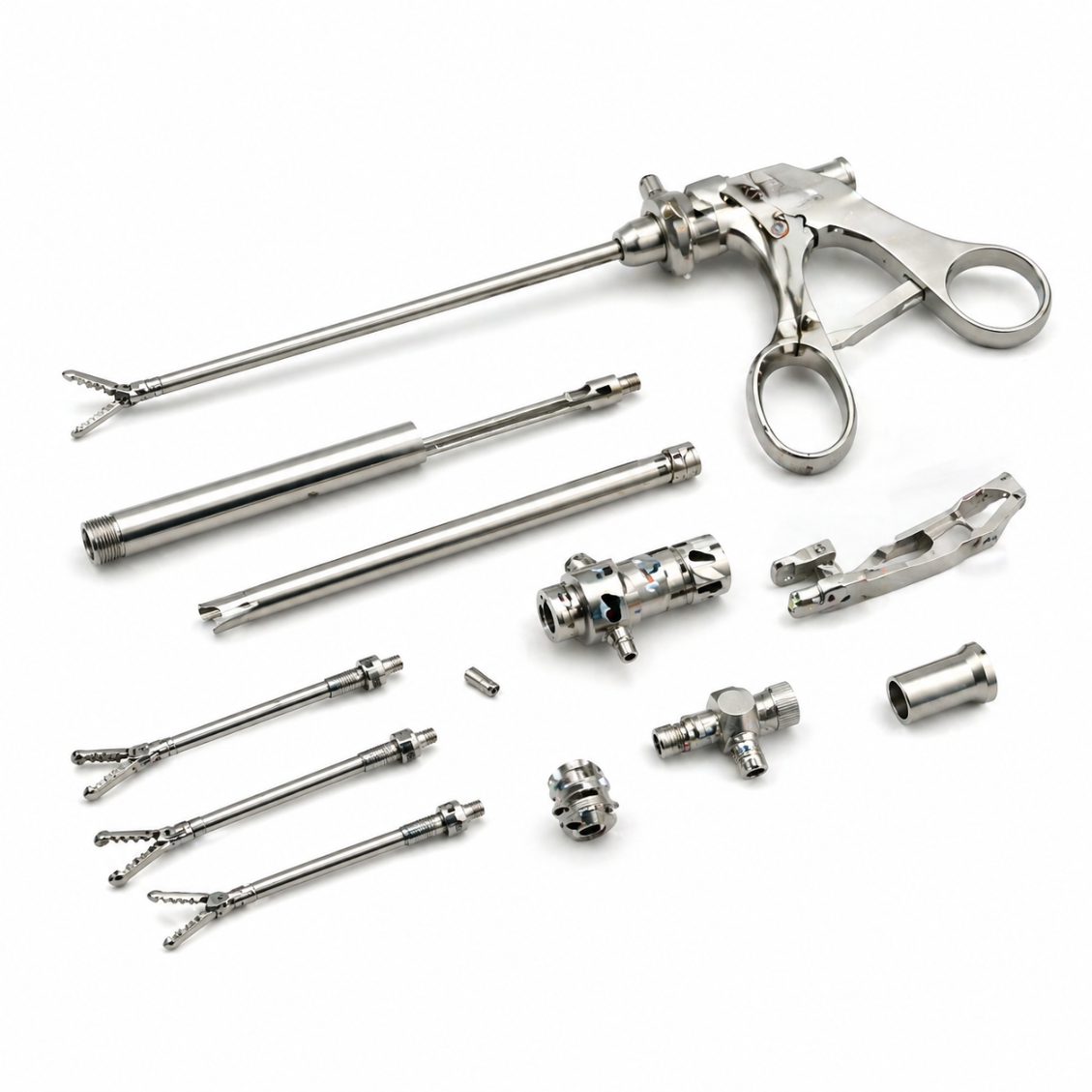
Laparoscopic Instrument Body
Surgical

Laparoscopic Instrument Body

316L SS surgical instrument body with electropolished internal passages. Ra ≤ 0.4 μm, ±0.005 mm critical features. Full material cert and CoC.

Diagnostic Equipment Mounting Frame
Diagnostic

Diagnostic Equipment Mounting Frame

6061-T6 Al diagnostic instrument frame with laser-marked serial numbers. ±0.01 mm, clear anodize. Full CMM report and batch traceability.
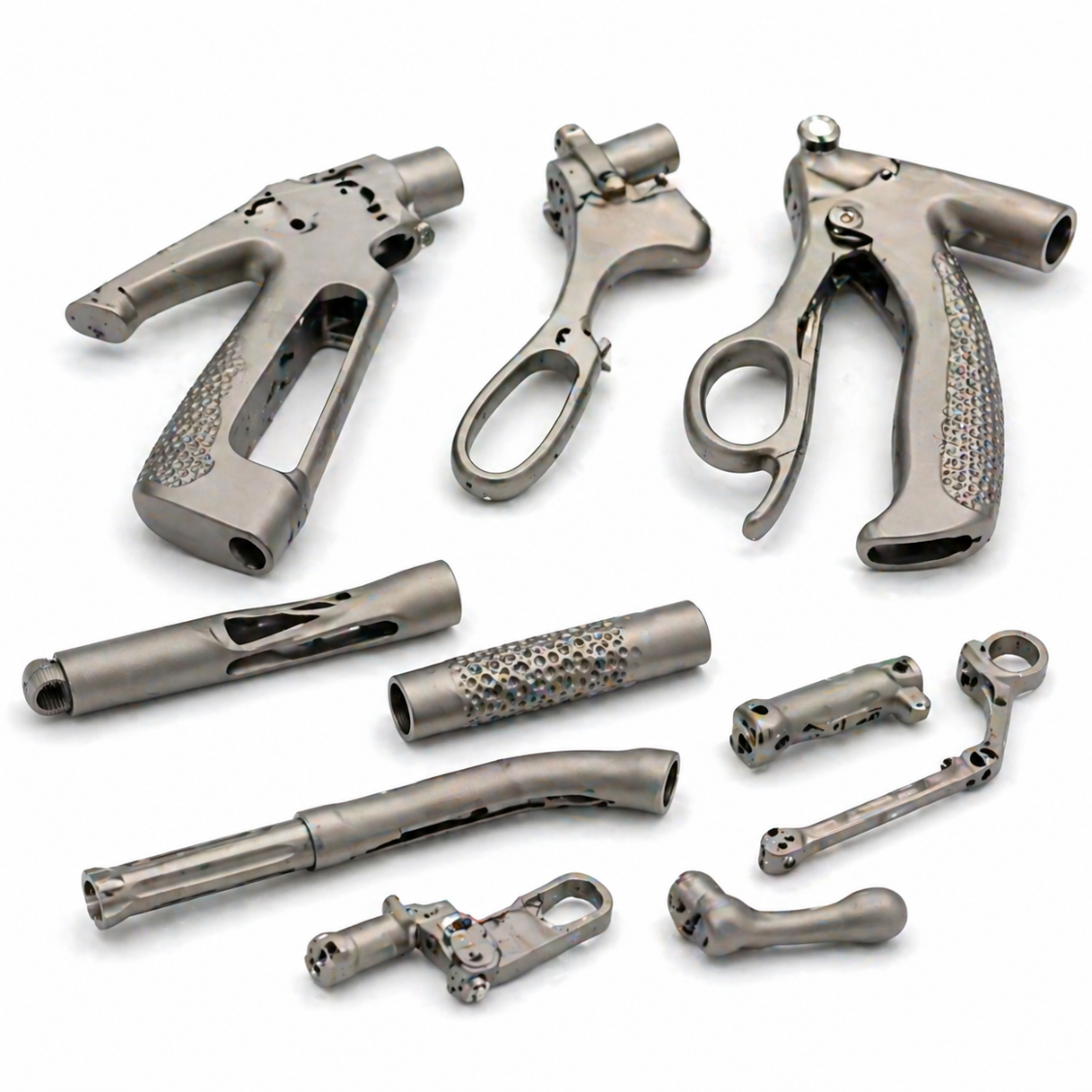
Ti-6Al-4V ELI Surgical Handle
Handle

Ti-6Al-4V ELI Surgical Handle

Titanium ELI surgical instrument handles. ±0.01 mm, MRI-compatible, bead blast finish. Lot traceability to AMS 4928 mill cert.
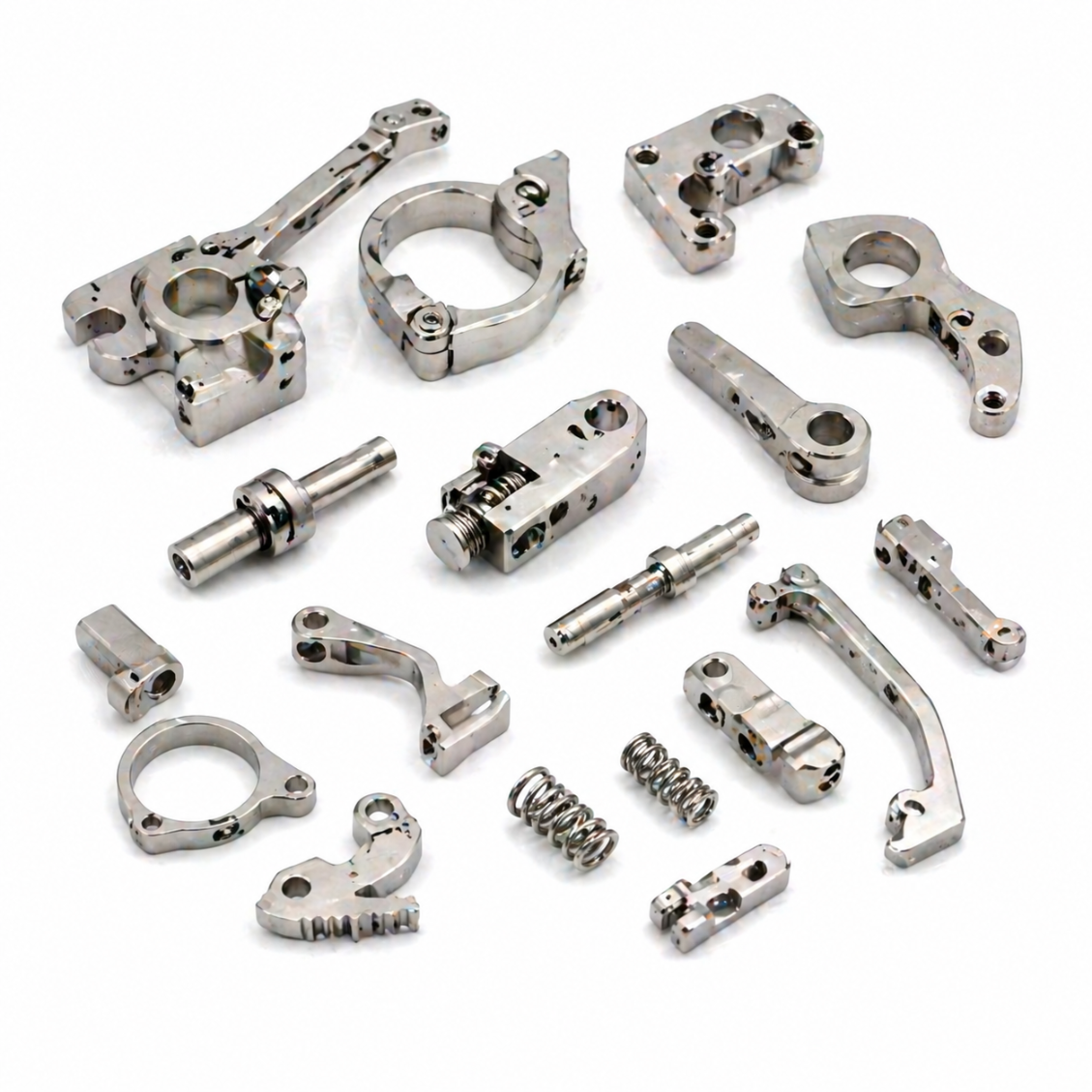
Medical Clamping Mechanism Parts
Clamping

Medical Clamping Mechanism Parts

17-4 PH SS clamping mechanism components. ±0.008 mm, passivated. 200 pcs with inspection report for medical device OEM regulatory filing.

FAQ
Frequently Asked Questions

Common questions from engineers and procurement teams in this industry. Can't find your answer? Ask us directly →

316L stainless steel is standard for most reusable instrument bodies. 17-4 PH stainless is used where higher hardness is required (clamp jaws, springs). Ti-6Al-4V ELI is specified for lightweight handles and MRI-compatible parts. PEEK for radiolucent or electrically insulating structural components.
We provide material certifications (mill certs with heat number), CMM dimensional reports, surface finish certificates, and CoC for every order. Our documentation format is structured to support regulatory submission requirements. Contact us before placing your first order to discuss your specific documentation needs.
Yes. Electropolishing is effective on internal bores and passages where cathode geometry can reach the surface. We design custom cathode tooling for tubular instrument bodies. Internal electropolished surfaces achieve Ra ≤ 0.4 μm and reduce bacterial adhesion in difficult-to-clean geometries.
Every batch of material is received with a mill certificate and assigned a unique lot number recorded in our ERP against every operation. The final CoC references the original material heat number and mill cert — complete traceable chain from raw material to finished part.
Yes. We machine PEEK and PEEK-CA30 to ±0.01 mm. PEEK is radiolucent, autoclave-resistant, and biocompatible per ISO 10993. Ra 0.4 μm is achievable on critical surfaces.
No minimum. We supply single prototype parts for design validation through to production runs of thousands of pieces per year. All orders receive the same documentation and inspection standards regardless of quantity.
Get a Quote

Send Your Drawing.
Get a Quote.

Every enquiry includes a DFM review — tolerance feasibility, material confirmation, and process approach confirmed before production starts. MOQ 1 piece.

24hr
Quote Response
MOQ 1
Prototypes OK
ISO
9001:2015
📐
DFM Review on Every Enquiry
Tolerance feasibility, fixturing strategy, and material confirmation. Specific, actionable feedback — not generic pushback.
🎯
First Article Inspection — Standard
FAI report on every new run. Material certs and surface treatment certs included with every shipment.
🔄
Same Process: Prototype to Production
Process plan from your prototype applies to production batches. No re-qualification when you scale.
3 / 4 / 5-Axis CNC + Turning
Complex structural parts, shafts, housings, and transmission components. Metals and engineering plastics.
ISO 9001:2015 3/4/5-Axis Milling CNC Turning CMM Inspection Global Delivery