
Surface Treatment — Category 4 / 5SPC · 6 Processes
Spray &
Coating
Services
Six spray and coating processes for CNC machined metal and plastic parts — powder coating, wet spray paint, e-coat, PTFE/Teflon coating, ceramic coating, and PTFE composite dry-film lubricant. RAL/Pantone colour matching · Food-safe options · High-temperature ceramic to 1600°C.
Typical Coating Thickness by Process
Powder Coating
60–120 μm
Wet Spray Paint
40–120 μm
E-Coat Primer
15–25 μm
PTFE Coating
15–35 μm
Ceramic Spray
50–500 μm
-200–260°C
PTFE Range
6
Processes
RAL/PMS
Colour Match
FDA
Food-Safe
1600°C
Ceramic Max
MOQ 1
No Minimum
🎨
Powder Coat
🖌
Spray Paint
⚡
E-Coat
🧪
PTFE Coat
🔥
Ceramic
🔩
PTFE Composite
Powder Coating 60–120μm RAL/PMS ◆Wet Spray 2K Polyurethane Epoxy ◆E-Coat Cataphoretic Primer ±2μm ◆PTFE Teflon CoF ≤0.1 Food-Safe ◆Ceramic Al₂O₃ Cr₂O₃ to 1600°C ◆PTFE Composite Dry-Film Lubricant ◆
Powder Coating 60–120μm RAL/PMS ◆Wet Spray 2K Polyurethane Epoxy ◆E-Coat Cataphoretic Primer ±2μm ◆PTFE Teflon CoF ≤0.1 Food-Safe ◆Ceramic Al₂O₃ Cr₂O₃ to 1600°C ◆PTFE Composite Dry-Film Lubricant ◆
All 6 Processes
Spray & Coating —
From Powder Coat to Ceramic Thermal Spray
Coating processes deposit organic or inorganic films on CNC machined parts for corrosion protection, colour, chemical resistance, non-stick performance, or thermal barrier. Process selected by substrate material, service temperature, and functional requirement.

SPC-01
PROCESS 01
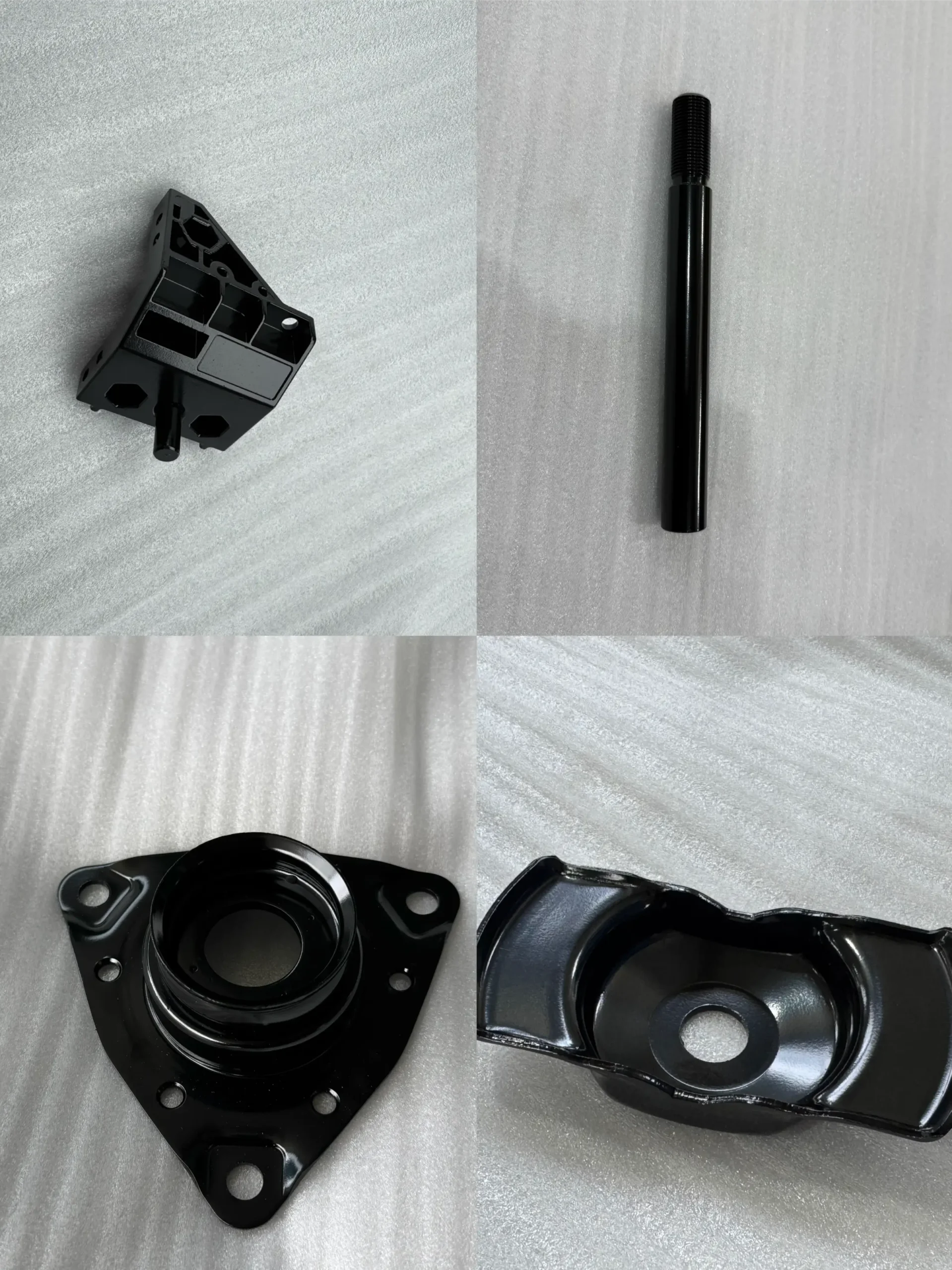
Powder Coating
Electrostatic dry powder applied to an earthed metal part and oven-cured at 180–200°C to form a continuous polymer film. The premier coating method for steel and aluminium CNC parts requiring durable colour and corrosion protection. Layer 60–120μm in a single coat — thicker and tougher than wet paint at the same thickness, with better impact resistance, chip resistance, and UV stability. Finishes: gloss (60–90 GU), satin (25–60 GU), matt (<25 GU), texture (orange peel, wrinkle, hammer), and metallic. Colours: full RAL Classic/Design range and Pantone TPX matching. Zero VOC (no solvents). Corrosion resistance: 500–1000+ hours salt spray (ASTM B117) with pre-treatment (sandblast + zinc phosphate or chrome-free conversion). Limitations: requires oven cure — not suitable for heat-sensitive plastics or assemblies with rubber seals. Minimum film build ~40μm; very thin <30μm films are difficult to achieve consistently with powder.
Layer60–120 μm
Salt Spray500–1000+ hr
ColourRAL / Pantone match
Steel · Aluminium · MDFGet Quote

SPC-02
PROCESS 02
Spray Paint / Liquid Paint
Wet spray paint systems for CNC machined metal and plastic parts where powder coating is not appropriate — heat-sensitive substrates, complex OEM colour formulas, metallic or pearlescent effects, and very thin film requirements. Systems: 2K polyurethane topcoat (high chemical and abrasion resistance, gloss retention, service to 90°C); 2K epoxy primer + polyurethane topcoat (maximum adhesion and corrosion resistance); single-pack air-dry for prototypes and short-run parts. Layer build: primer 25–40μm + topcoat 40–80μm = total 65–120μm. Exact RAL Classic and Design, Pantone TPX, NCS, and OEM formula colour matching (Ford, GM, Toyota standard colour banks available). Metallic and pearlescent effects (aluminium flake, pearl mica) achievable. Textures: smooth, fine texture, coarse texture, hammertone. Plastic primer available for ABS, PC, PP, and GRP substrates.
Layer40–120 μm
System2K PU · 2K Epoxy
ColourAny RAL/PMS/OEM
Steel · Al · Plastic · GRPGet Quote
SPC-03
PROCESS 03
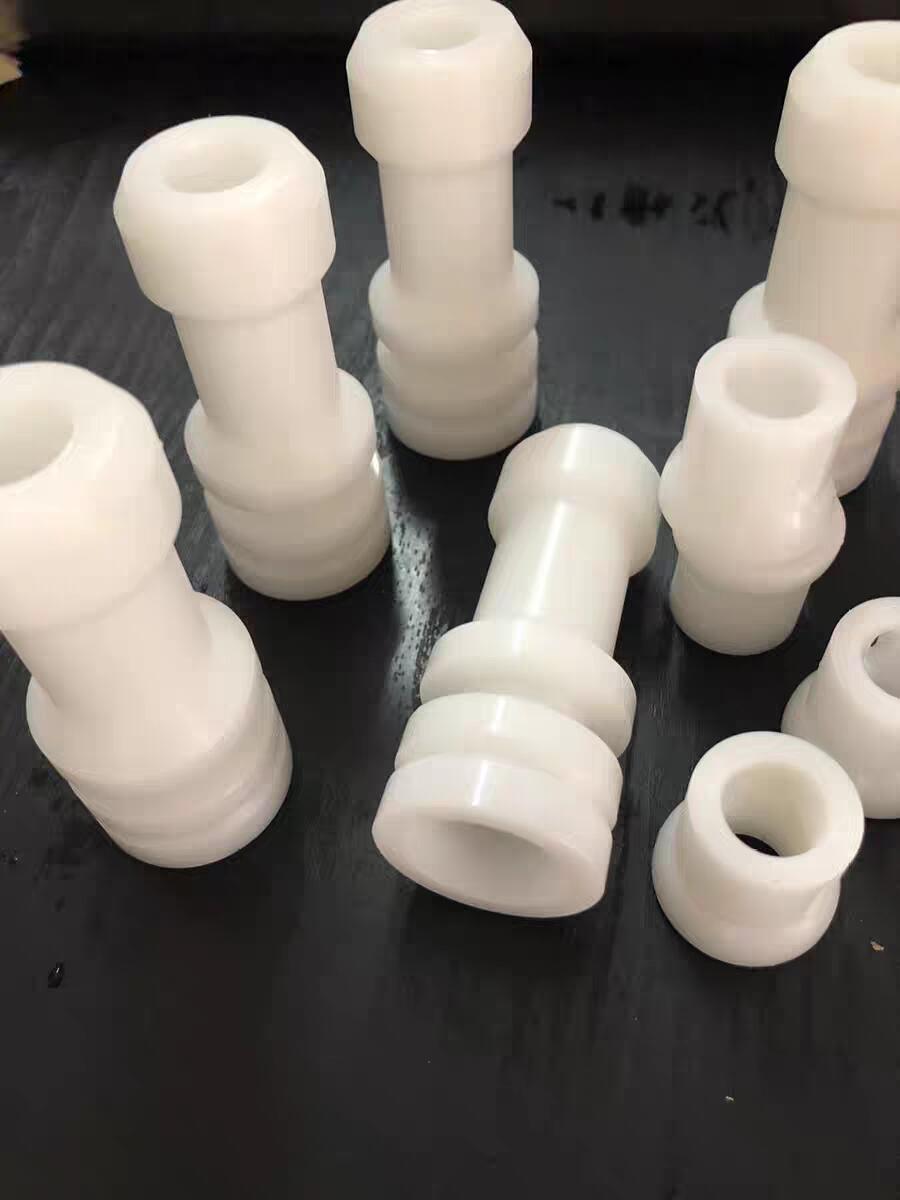
E-Coat / Electrophoretic Coating
Electrochemical primer deposition (cataphoretic e-coat) for steel and aluminium parts — the part is submerged in an aqueous paint bath and DC current deposits a uniform primer layer on all surfaces. Key advantage over spray primer: e-coat uniformly coats internal channels, weld joints, recesses, and complex geometry that spray equipment cannot reach consistently. Film thickness 15–25μm ±2μm on all surfaces regardless of geometry. Corrosion resistance as a primer: 300–500 hours salt spray alone; 1000+ hours when topcoated with powder. E-coat is the standard automotive primer for complex welded steel assemblies (body-in-white, sub-frames, brackets). For machined parts: hydraulic manifolds, complex fabrications, and any part where internal surface corrosion protection is required. E-coat is a functional primer — grey or black — and is topcoated with powder or wet paint for final appearance.
Layer15–25 μm ±2μm
Salt Spray (primer)300–500 hr
CoverageAll surfaces incl. internal
Steel · AluminiumGet Quote
SPC-04
PROCESS 04
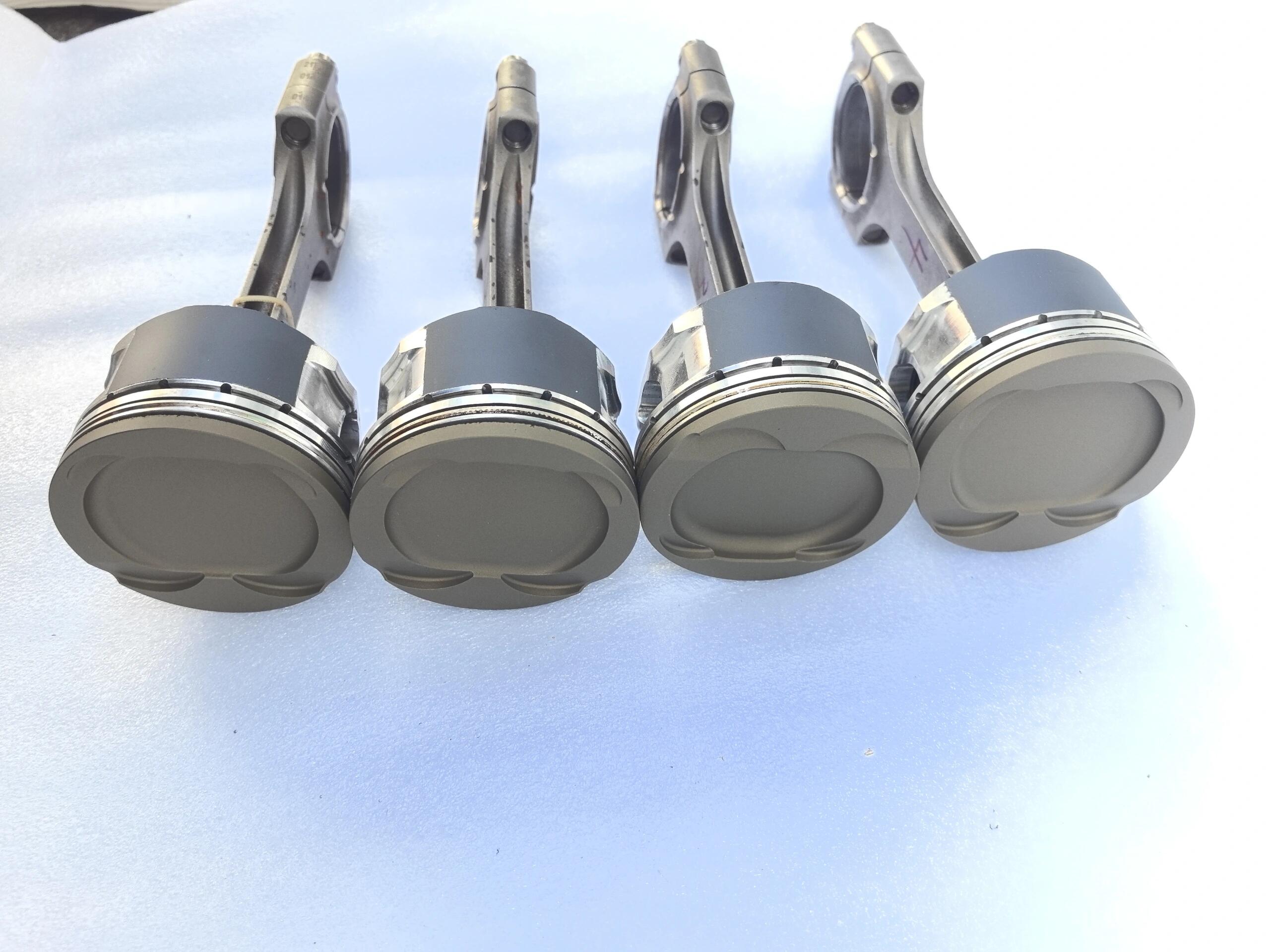
PTFE / Teflon Coating
Fluoropolymer (PTFE, Teflon) coating for CNC machined metal parts requiring non-stick, low-friction, chemical resistance, or high-temperature performance. Applied as aqueous dispersion and sintered at 350–400°C. Coefficient of friction ≤0.1 — among the lowest of any solid surface. Service temperature: -200°C to +260°C continuous, +300°C peak. Chemical resistance: virtually all acids, alkalis, solvents, and oils. FDA food-safe approved. Layer 15–35μm (single coat); 35–75μm (dual-coat primer + topcoat — better adhesion and pinhole-free coverage for immersion applications). Colour options: standard grey, black, brown; custom colours available. Surface preparation is critical — sandblast Ra 3–6μm before coating for maximum adhesion. Applications: food processing moulds and components, pharmaceutical processing parts, valve bodies and stems, injection mould release surfaces, and chemical handling equipment.
Layer15–75 μm
CoF≤ 0.1
Temp Range-200 to +260°C
Steel · Al · Stainless · Cast ironGet Quote
SPC-05
PROCESS 05
Ceramic Coating
Thermal spray and plasma spray ceramic coatings for high-temperature, wear-resistant, and electrically insulating applications. Aluminium oxide (Al₂O₃): hardness HV 1200–1600; electrical insulator (15–20 kV/mm dielectric strength); white/grey; service to 1600°C — specified for high-voltage electrical insulation and moderate wear resistance on rollers and guides. Chromium oxide (Cr₂O₃): hardness HV 1700–2000 (among hardest thermal spray coatings); dark green; service to 900°C in oxidising atmosphere — specified for extreme wear and corrosion in aggressive media (paper and textile machinery, pump components). Yttria-stabilised zirconia (YSZ) thermal barrier coating: service to 1200°C on superalloy substrate with metallic bond coat — turbine combustor liners, exhaust components. All ceramic coatings applied over a metallic NiCrAlY or NiAl bond coat for adhesion and thermal expansion compatibility. Post-spray grinding to dimensional tolerance available.
HardnessHV 1200–2000
Max Temp1600°C (Al₂O₃)
Layer50–500 μm
Steel · Superalloy · TitaniumGet Quote
Technical Reference
Coating Thickness & Key Properties
📏
Coating Thickness by Process
Powder Coat
60–120 μm
Wet Spray
40–120 μm
Ceramic
50–500 μm
PTFE Coat
15–75 μm
E-Coat
15–25 μm
PTFE Dry-Film
10–30 μm
⚙
Key Process Data
PTFE CoF
≤0.1
Lowest friction of any coating. Non-stick, chemical resistant, FDA food-safe. -200 to +260°C.
Ceramic Hardness
HV 2000
Cr₂O₃ — hardest thermal spray coating. Extreme wear in aggressive media. Service to 900°C.
E-Coat Uniform
±2 μm
Coats internal channels, welds, recesses uniformly. 300–500hr salt spray as primer.
Powder Salt Spray
1000+ hr
ASTM B117 with zinc phosphate pre-treatment. RAL/Pantone colour, zero VOC, zero waste.
Capability
Choosing the Right Coating for
Your Application
🔥
Temperature: The First Decision
Temperature determines which coating class is applicable: PTFE for up to +260°C; 2K polyurethane up to +90°C; powder coat up to +120°C standard (thermally stable grades to +200°C); ceramic thermal spray for +900–1600°C. We confirm service temperature at DFM and disqualify coatings that cannot survive the operating environment.
🎭
Masking Precision Surfaces
All precision bores, threads, sealing faces, and contact surfaces are masked before coating. Coating thickness (60–120μm for powder coat) will prevent threads from engaging and bore fits from assembling if not masked. Masking specification agreed at DFM and applied consistently to every batch.
🍽
FDA Food-Safe Coating Compliance
PTFE (Teflon) coatings to FDA 21 CFR compliance for food-contact applications. PTFE composite dry-film for food machinery bearings and sliding surfaces where liquid lubricants are prohibited. Material certificates and FDA compliance statements provided for food and pharmaceutical sector customers.
Our Advantage
Why Engineers Choose Our Coating Services
Temp
Temperature-First Selection
We disqualify coatings that cannot survive your service temperature before recommending a system. A powder coat that fails at 150°C on a mould tool costs more than specifying the correct PTFE coating at DFM.
E-Coat
E-Coat for Internal Coverage
We specify e-coat primer for any complex steel assembly with internal channels that require corrosion protection — spray primer cannot reach internal surfaces consistently. E-coat ±2μm uniformity ensures every surface, internal and external, receives the primer layer.
RAL
Accurate Colour Matching
We batch-match powder and wet paint to supplied RAL, Pantone TPX, NCS, or OEM colour codes with tolerance measurement (dE ≤1.5). Colour reference panels retained for reorder batches to ensure colour consistency across production runs.
Mask
Precision Masking Documented
Masking specification for every part is documented on the route card — threads, bores, sealing faces, contact surfaces. The same masking is applied to every part in every batch. No rework for threads blocked with powder or bores that won't assemble.
FAQ
Spray & Coating — Common Questions
Powder coating: electrostatic dry process, oven cure 180–200°C, 60–120μm, zero VOC, excellent impact/chip/UV resistance, full RAL range, textures available. Best for steel and aluminium requiring durable protective colour. Wet spray paint: liquid sprayed, air-dry or low-bake, 40–120μm, exact OEM colour matching, metallic/pearlescent effects, plastic substrate compatible. Best where powder cannot be applied (heat-sensitive parts, exact OEM formula, metallic effects).
E-coat (cataphoretic primer) deposits uniformly ±2μm on all surfaces including internal channels, welds, and recesses that spray primer cannot reach. 15–25μm. Salt spray 300–500hr alone, 1000+ hr with topcoat. E-coat is functional grey/black primer only — topcoated with powder or wet paint. Standard automotive primer for complex steel assemblies. We specify e-coat for any machined or fabricated steel part with internal surface corrosion protection requirements.
PTFE coating service temperature: -200°C to +260°C continuous, +300°C peak. CoF ≤0.1. FDA food-safe approved. Chemical resistant to virtually all acids, alkalis, solvents, and oils. Not suitable for metal-on-metal sliding contact — soft (2H pencil hardness), abraded by sharp metal. Specify DLC or hard chrome for wear-resistant sliding. PTFE for non-stick, chemical resistance, and non-contact or soft-contact surfaces.
Al₂O₃ (alumina): to 1600°C, HV 1200–1600, electrical insulator, white/grey. Cr₂O₃: to 900°C, HV 1700–2000 (hardest spray coating), extreme wear resistance. YSZ thermal barrier: to 1200°C on superalloy with bond coat — turbine components. All applied over NiCrAlY/NiAl bond coat. Post-spray grinding to tolerance available. We advise ceramic type at DFM based on service temperature, wear requirement, and corrosion environment.
Structured data (FAQPage + ItemList + Service schema) embedded · Eligible for Google FAQ rich results