
Ceramic Coating
Services
Advanced ceramic thermal barrier and wear-resistant coatings applied by plasma spray and HVOF — delivering extreme hardness, thermal insulation, and oxidation resistance for high-temperature industrial applications.
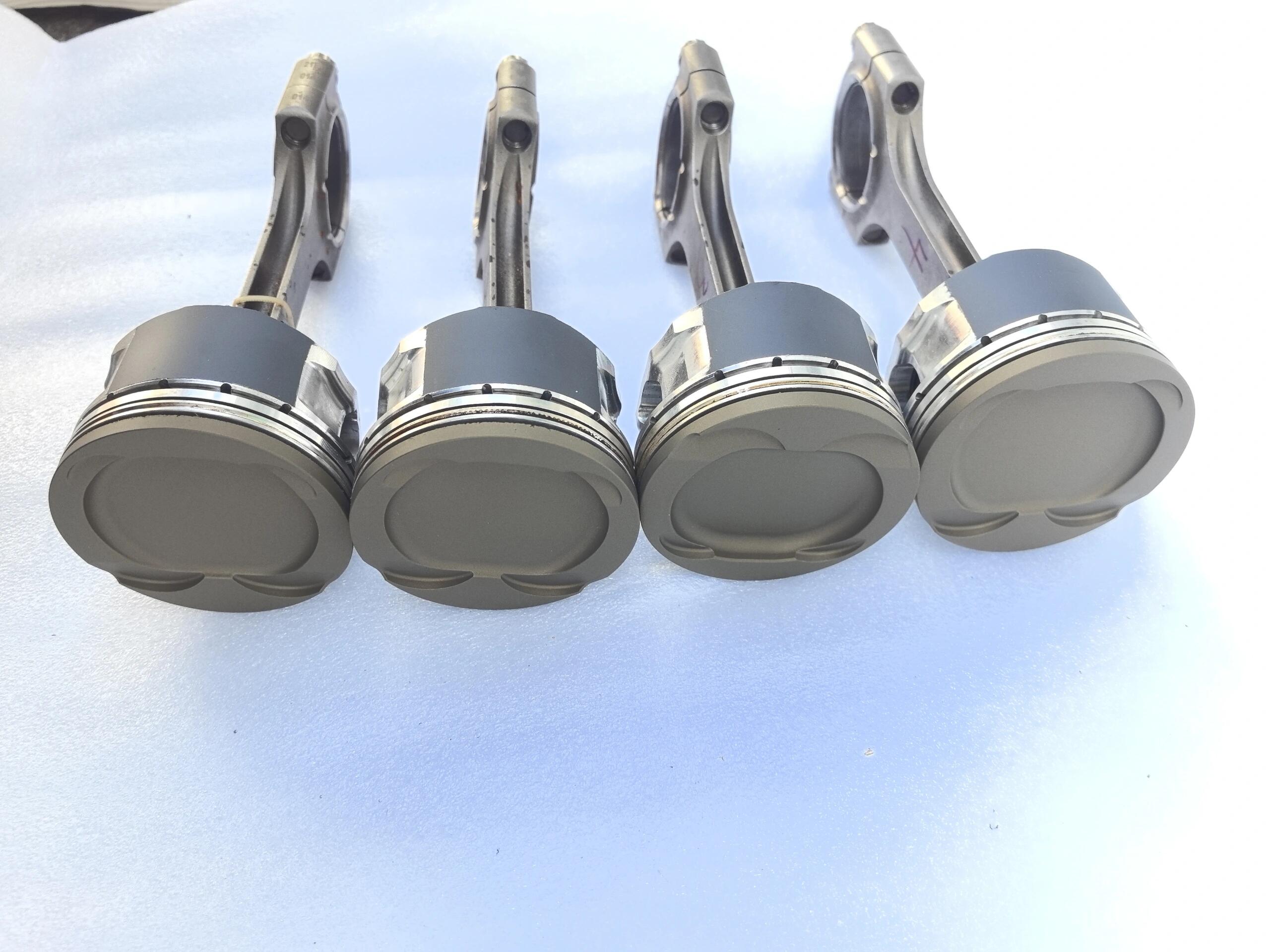
We offer multiple ceramic systems, each optimised for specific temperature ranges, wear modes, and application environments.
Yttria-Stabilized Zirconia (YSZ)
The gold standard thermal barrier coating (TBC) for gas turbines and combustion components. Low thermal conductivity with excellent thermal cycling resistance up to 1600°C.
TBC Thermal BarrierUp to 1600°CTurbine GradeAlumina (Al₂O₃)
High hardness (1200 HV), excellent electrical insulation, and outstanding corrosion and wear resistance. Widely used for electrical isolation and abrasion protection.
1200 HV HardnessElectrical InsulationWear ResistantChrome Oxide (Cr₂O₃)
Extremely dense, hard ceramic offering superior resistance to abrasion, erosion, and chemical attack. Specified for pump seals, textile machinery, and precision rolls.
Erosion ResistantDense StructurePump/Seal GradePlasma spray and HVOF deposition achieve dense, well-bonded ceramic coatings with controlled porosity and precise microstructure.
Surface Grit Blast
Alumina or steel grit blasting to Sa 3.0 creates the anchor profile essential for mechanical bonding of the metallic bond coat.
Bond Coat Deposition
MCrAlY or NiCrAl bond coat applied by HVOF or plasma spray. Provides oxidation resistance and bridges thermal expansion mismatch between substrate and ceramic.
Ceramic Topcoat Spray
Ceramic powder fed into plasma gun at 10,000–20,000°C. Molten particles impact and solidify forming a dense lamellar microstructure.
Grinding & Inspection
Diamond grinding to final dimensions. Porosity assessment, bond strength (ASTM C633), hardness, and thickness verification.
Recent ceramic coating projects across gas turbine, industrial rolls, and power generation sectors.

Gas Turbine Combustor Liners
YSZ TBC on Inconel 625 combustor liners. 300 μm ceramic TBC over 100 μm MCrAlY bond coat, thermal cycling tested, AMS 2437 qualified.

Printing & Paper Mill Rolls
Chrome oxide (Cr₂O₃) on steel paper mill rolls. 200 μm deposit, 1100 HV, ground to Ra 0.4 μm, 5× wear life vs uncoated rolls measured in service.
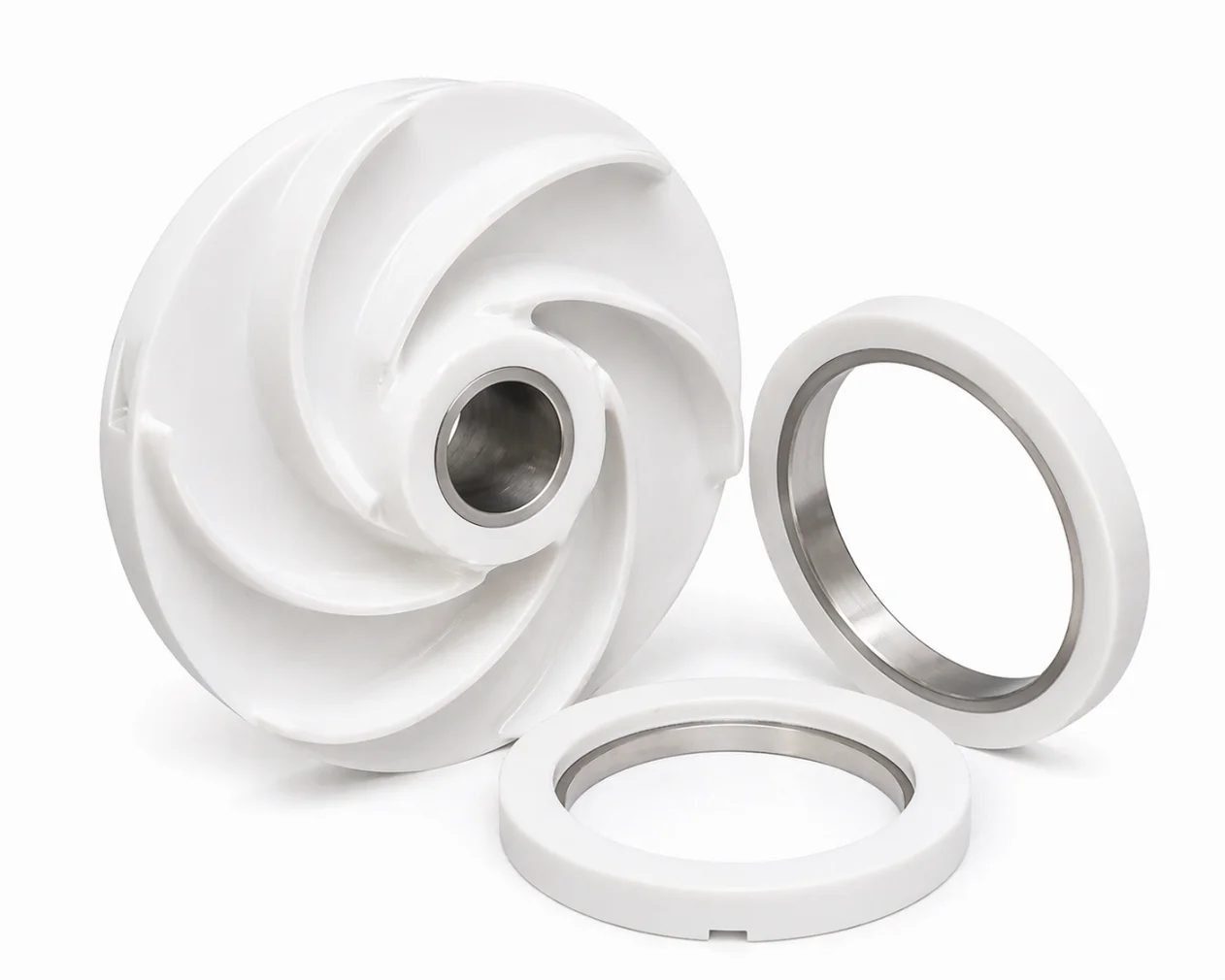
Pump Impellers & Wear Rings
Alumina (Al₂O₃) on stainless pump components. 150 μm, <3% porosity, 1200 HV, resistant to slurry erosion in water treatment plant service.
Gas Turbines
Combustor liners, turbine blades, and vanes requiring YSZ TBC for high-cycle thermal fatigue resistance.
Industrial Furnaces
Radiant tubes, burner nozzles, and kiln furniture requiring oxidation resistance at continuous high operating temperatures.
Printing & Paper Rolls
Chrome oxide coated rolls for paper, textile, and film manufacturing requiring extreme hardness and corrosion resistance.
Electrical Insulation
Alumina-coated components for plasma torches, induction heaters, and high-voltage equipment requiring dielectric isolation.
Pump & Valve Components
Wear rings, impellers, and valve seats requiring dense ceramic for abrasive slurry and chemical erosion resistance.
Automotive Racing
Piston crowns, exhaust manifolds, and brake rotors requiring thermal barrier and wear-resistant ceramic coatings.
Aerospace-Grade Plasma Spray
AMS 2437-qualified plasma spray process with certified operators. ASTM C633 bond strength testing available for critical applications.
Post-Spray Diamond Grinding
In-house diamond grinding to finish ceramic-coated surfaces to Ra 0.2 μm and dimensional tolerances of ±5 μm after spraying.
Multiple Ceramic Materials
YSZ, Al₂O₃, Cr₂O₃, TiO₂, and composite ceramics all available in-house. Single supplier for all your thermal spray coating requirements.
Full Porosity & Bond Strength Testing
Metallographic cross-section porosity analysis and tensile bond strength testing per ASTM C633 for aerospace and critical applications.
Everything you need to know before ordering. Contact our team →