info@hxcnc.com Shenzhen, China Reply within 24 hours
ISO 9001 : 2015 Get Instant Quote
Bearing Steel CNC Machining

Bearing Steel
CNC Machining

52100 / SUJ2 / GCr15 HRC 60–64 After Q&T Sub-Zero Treatment Precision Grinding ±0.002 mm Bearings · Ball Screws · Wear Parts

CNC machining of 52100, SUJ2, and GCr15 high-carbon chromium bearing steel — the definitive material for rolling contact fatigue applications. Full heat treatment, sub-zero treatment, precision grinding, and superfinishing managed as a single-source process.
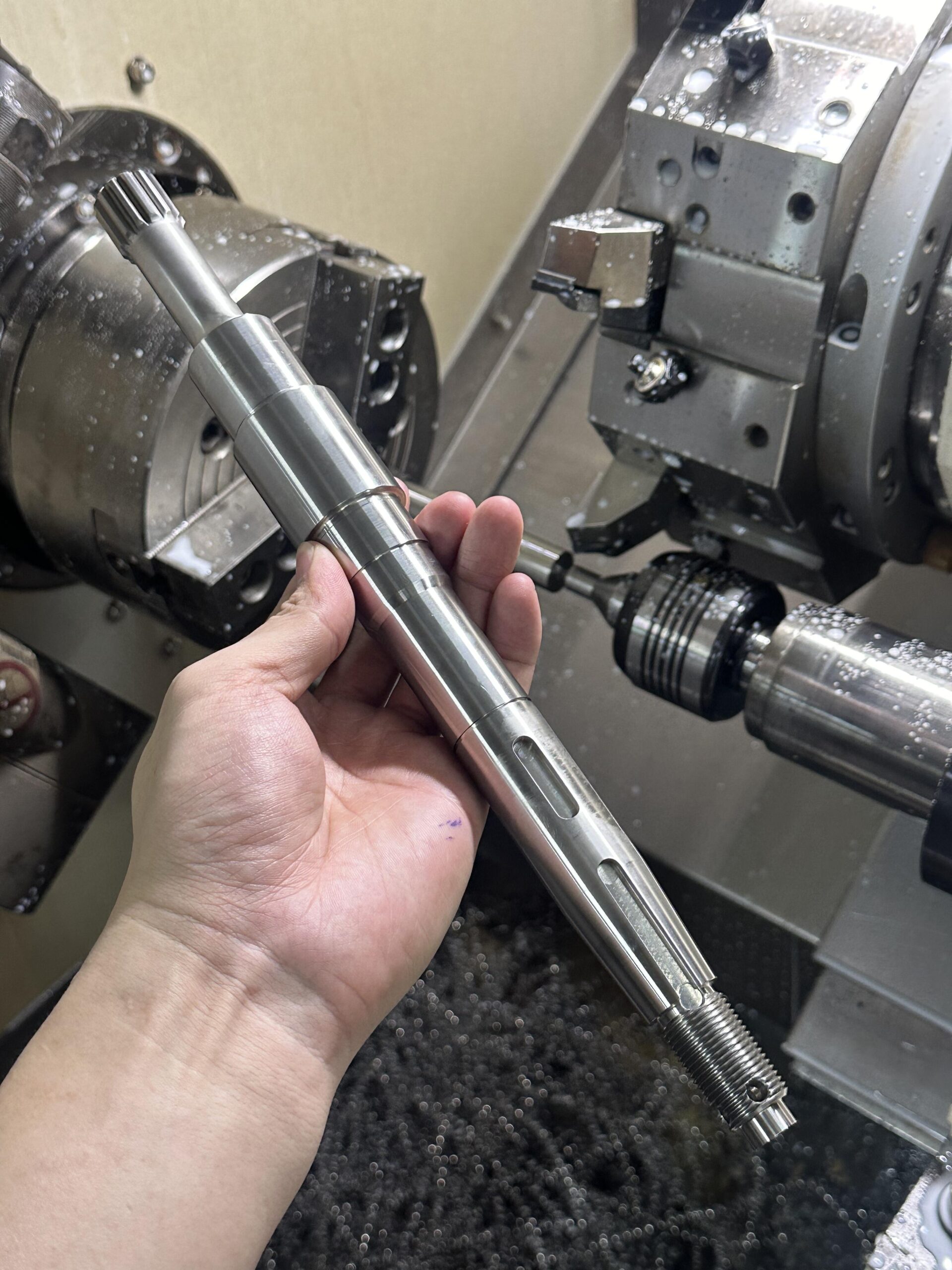
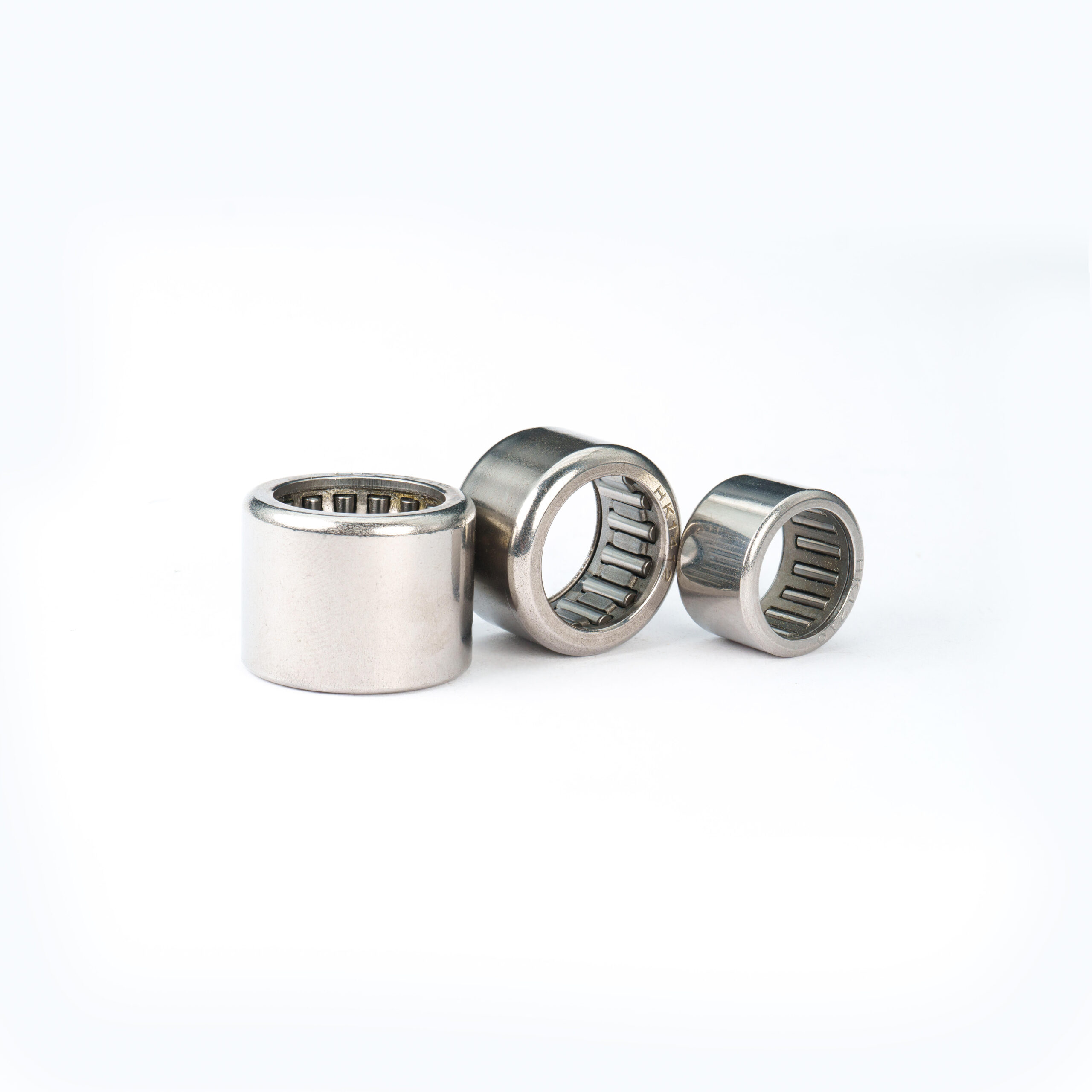
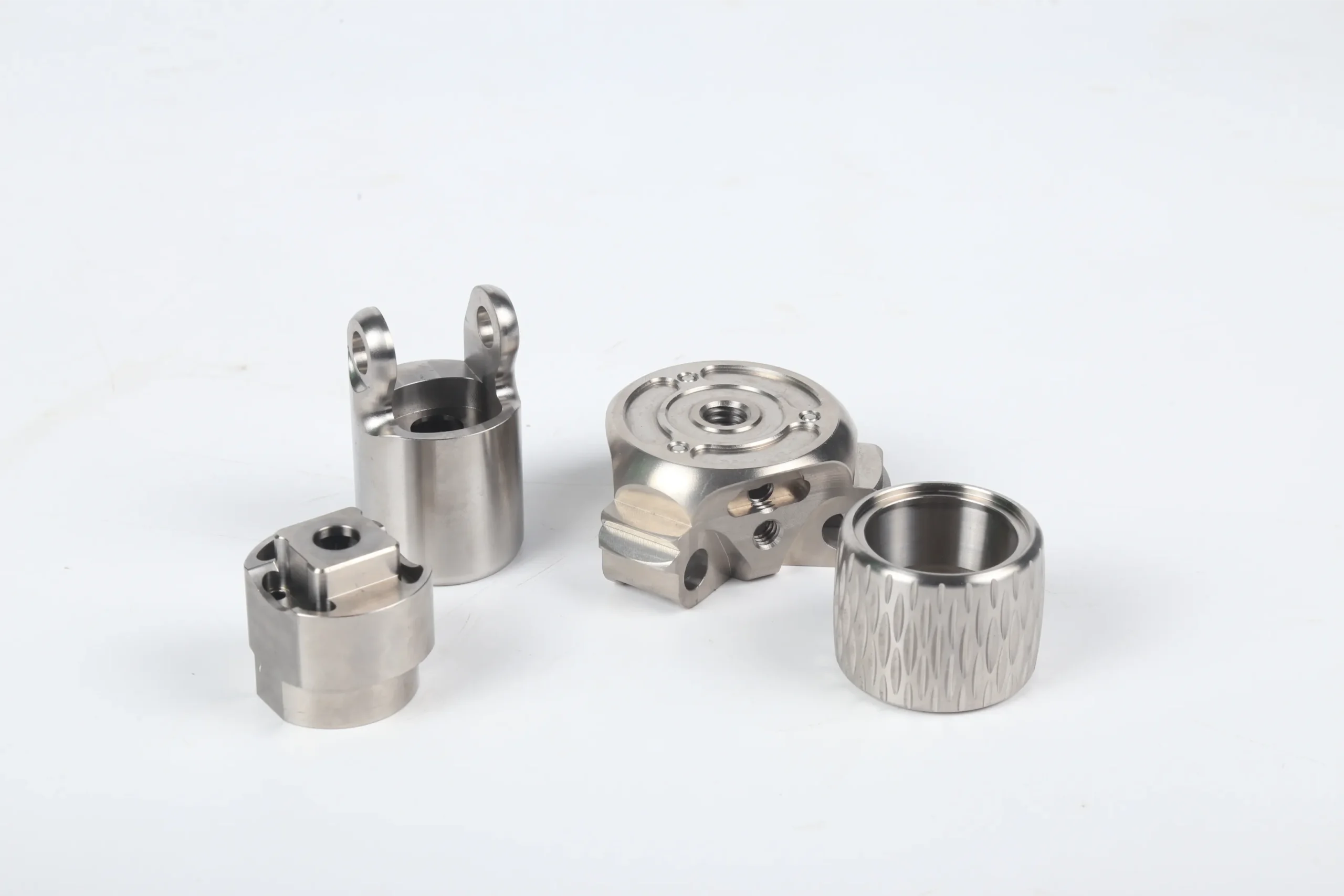
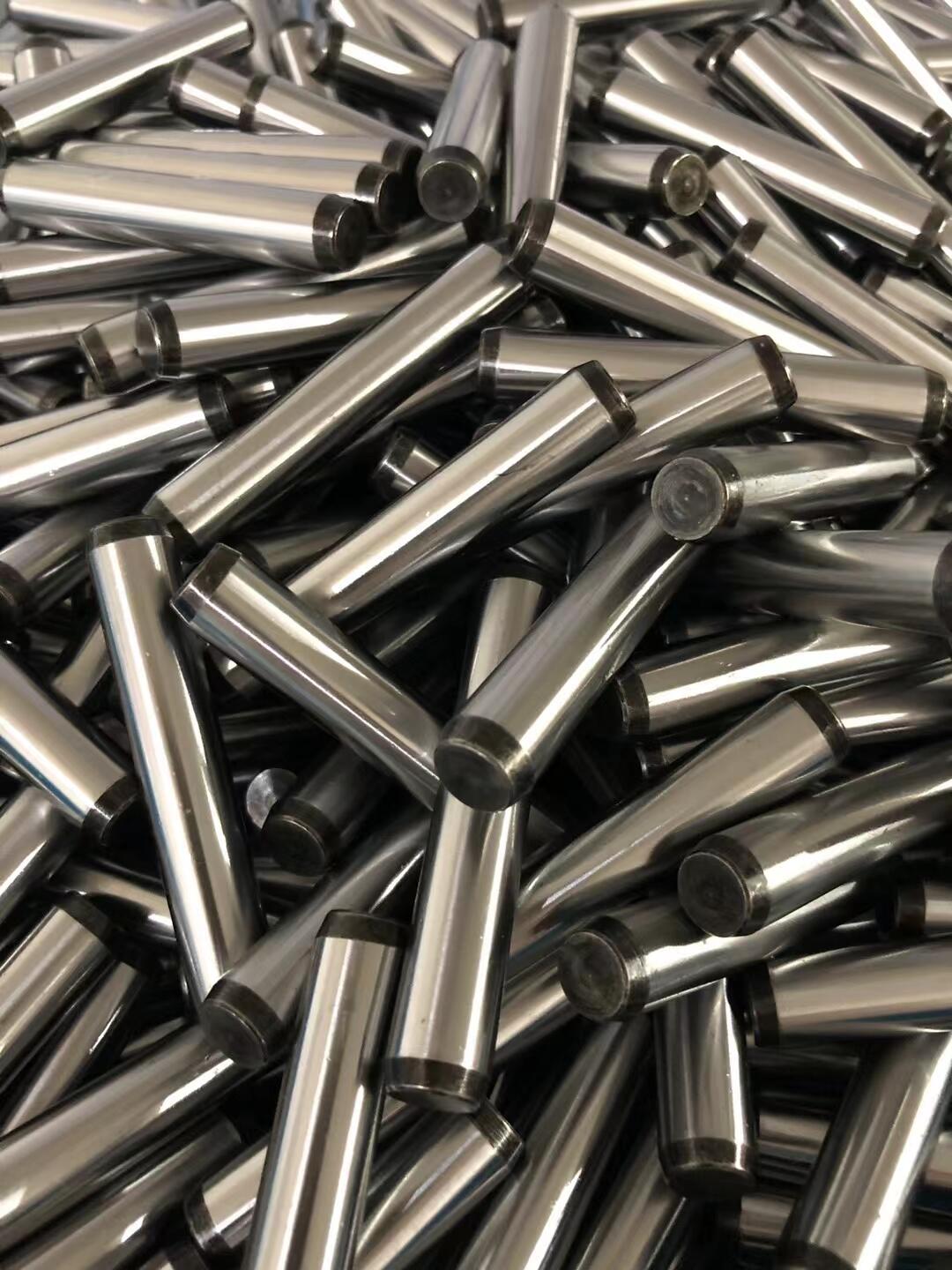
Bearing Steel 52100 GCr15 Precision Ground Parts
Max Hardness
HRC 60–64
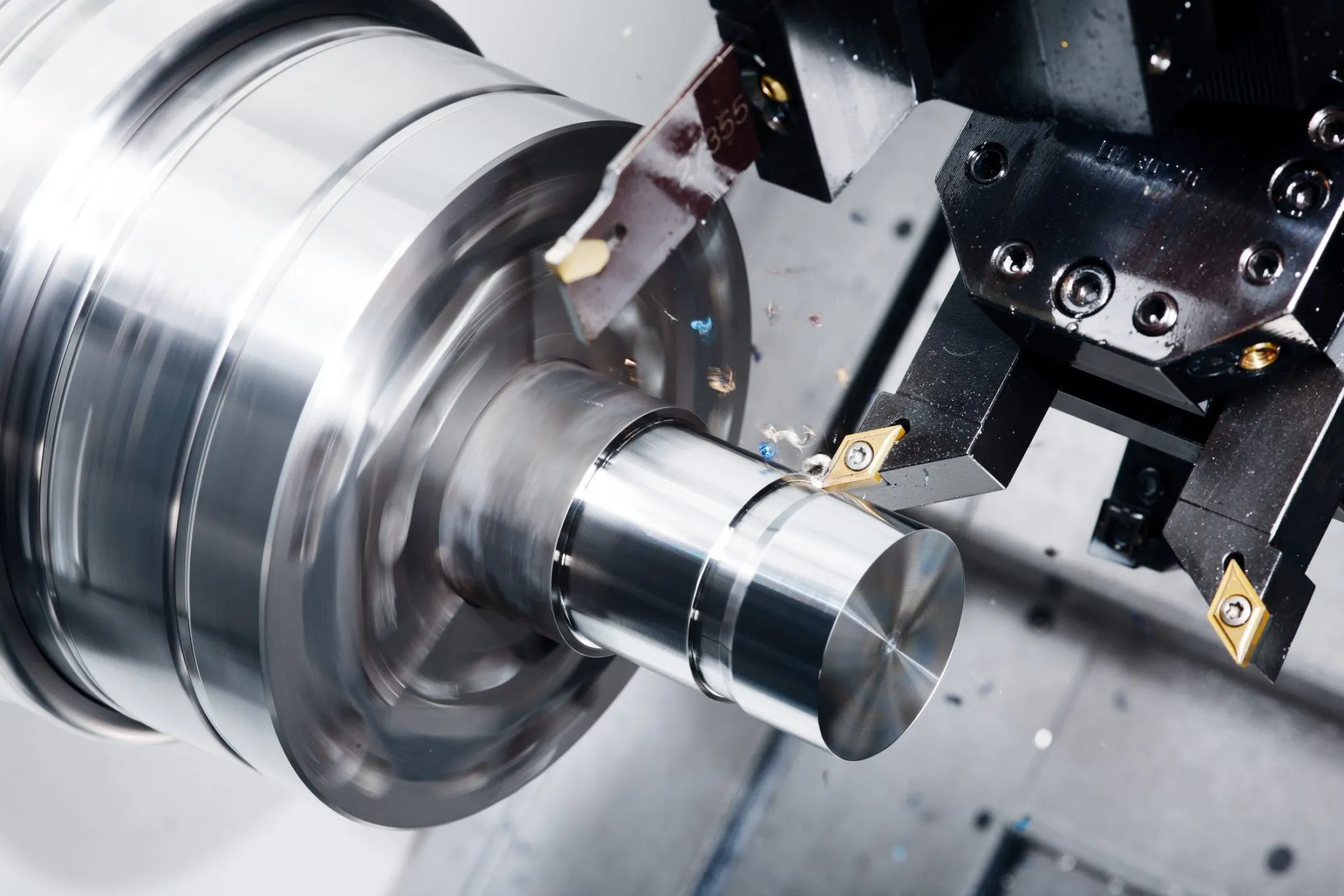
CNC Turning Bearing Steel Annealed
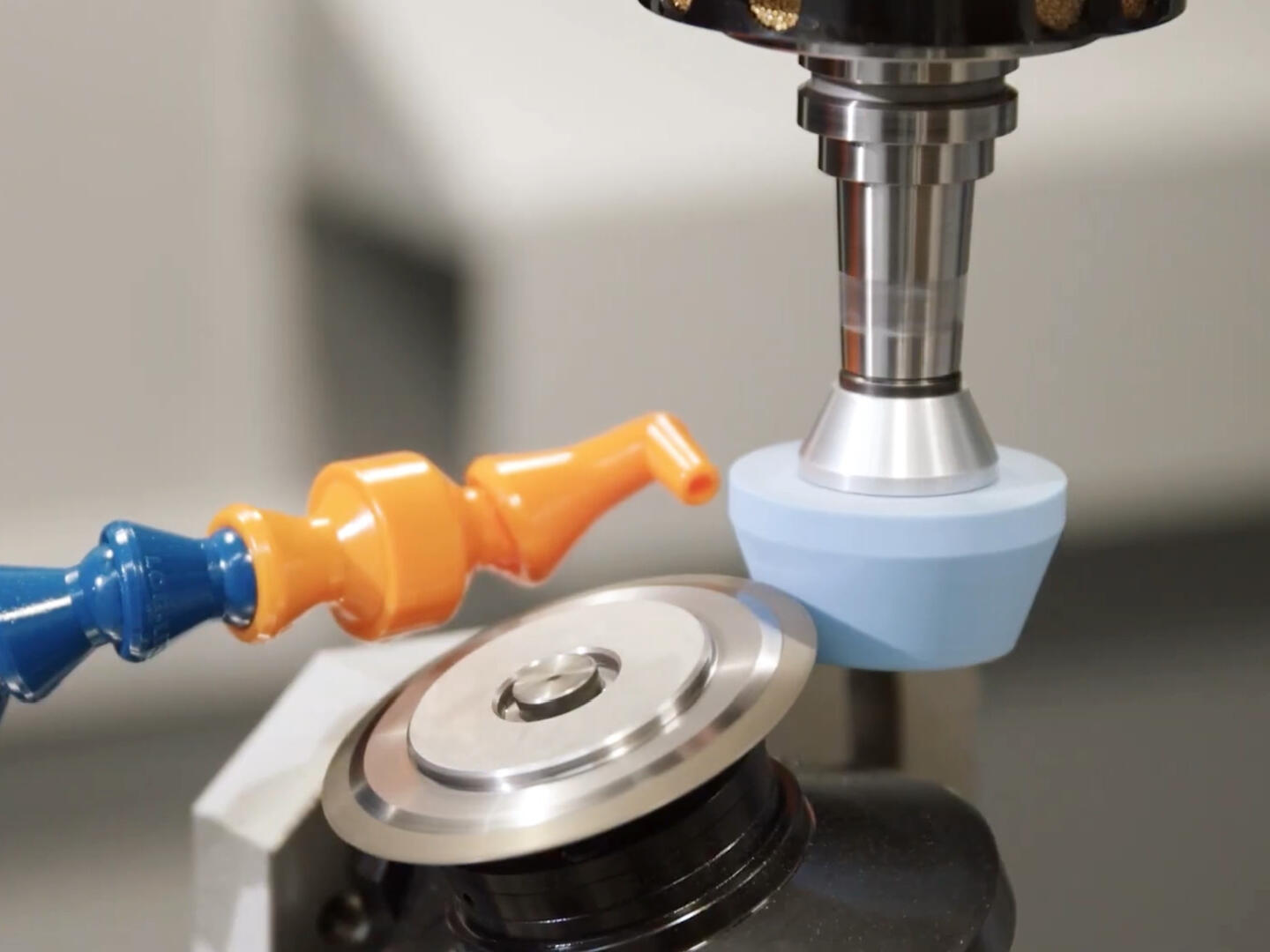
Precision Grinding 52100 Post Heat Treatment
52100
= SUJ2 = GCr15
HRC 60–64
After Q&T + Sub-Zero
±0.002mm
Precision Grinding
24hr
Quote Turnaround
52100 Bearing Steel SUJ2 (JIS Standard) GCr15 (GB Standard) HRC 60–64 After Heat Treatment Sub-Zero Cryogenic Processing Precision OD/ID Grinding Ball Bearings & Races Precision Ball Screws Wear Parts & Rollers 52100 Bearing Steel SUJ2 (JIS Standard) GCr15 (GB Standard) HRC 60–64 After Heat Treatment Sub-Zero Cryogenic Processing Precision OD/ID Grinding Ball Bearings & Races Precision Ball Screws Wear Parts & Rollers
Material Grades

52100 · SUJ2 · GCr15 — One Steel, Three Standards

Global Standard Equivalents
52100, SUJ2, and GCr15 are the same high-carbon chromium bearing steel composition expressed in three national standards — AISI (USA), JIS (Japan), and GB (China). All are interchangeable for precision bearing and wear part applications.
AISI · American Standard
52100
High-Carbon Chromium Bearing Steel
The internationally recognized designation. Specified on drawings from American OEMs and widely used in international aerospace, automotive, and precision engineering supply chains. The reference designation when cross-referencing between standards.
🌐 International / USA
JIS G4805 · Japanese Standard
SUJ2
高炭素クロム軸受鋼鋼管 Grade 2
Specified by Japanese OEMs — Toyota, Honda, NSK, NTN — and all JIS-standard supply chains. Functionally equivalent to 52100 in all properties. When a Japanese customer specifies SUJ2, it is the same material as 52100 / GCr15 and will be sourced and supplied accordingly.
🇯🇵 Japan · JIS Supply Chain
GB/T 18254 · Chinese Standard
GCr15
高碳铬轴承钢 — "Cr15" = 1.5% Cr
The standard designation in mainland China. "G" stands for 滚动轴承钢 (rolling bearing steel), "Cr15" indicates approximately 1.5% chromium content. The most commonly stocked bearing steel in China — if you are sourcing from a Chinese manufacturer, GCr15 is what will be supplied for a 52100 specification.
🇨🇳 China · GB Supply Chain
Chemical Composition (Typical Ranges)
52100
AISI / SAE — Per ASTM A295
Carbon (C)0.98–1.10%
Chromium (Cr)1.30–1.60%
Manganese (Mn)0.25–0.45%
Silicon (Si)0.15–0.35%
Sulfur (S) max0.015%
Phosphorus (P) max0.025%
SUJ2
JIS G4805 — Japanese Standard
Carbon (C)0.95–1.10%
Chromium (Cr)1.30–1.60%
Manganese (Mn)0.50% max
Silicon (Si)0.15–0.35%
Sulfur (S) max0.025%
Phosphorus (P) max0.025%
GCr15
GB/T 18254 — Chinese Standard
Carbon (C)0.95–1.05%
Chromium (Cr)1.40–1.65%
Manganese (Mn)0.25–0.45%
Silicon (Si)0.15–0.35%
Sulfur (S) max0.020%
Phosphorus (P) max0.027%
Note on Cleanliness: High-performance bearing steel is produced under tighter cleanliness standards than general alloy steel — oxygen content, inclusion count, and carbide network distribution are controlled during steelmaking. We source bearing steel with full mill certs including cleanliness verification for precision bearing applications. Standard commercial GCr15/52100 bar is suitable for general wear parts; vacuum-degassed or electroslag remelted (ESR) grades are available on request for highest-fatigue-life bearing applications.
Material Science

Why 52100 / GCr15 for Rolling Contact Applications

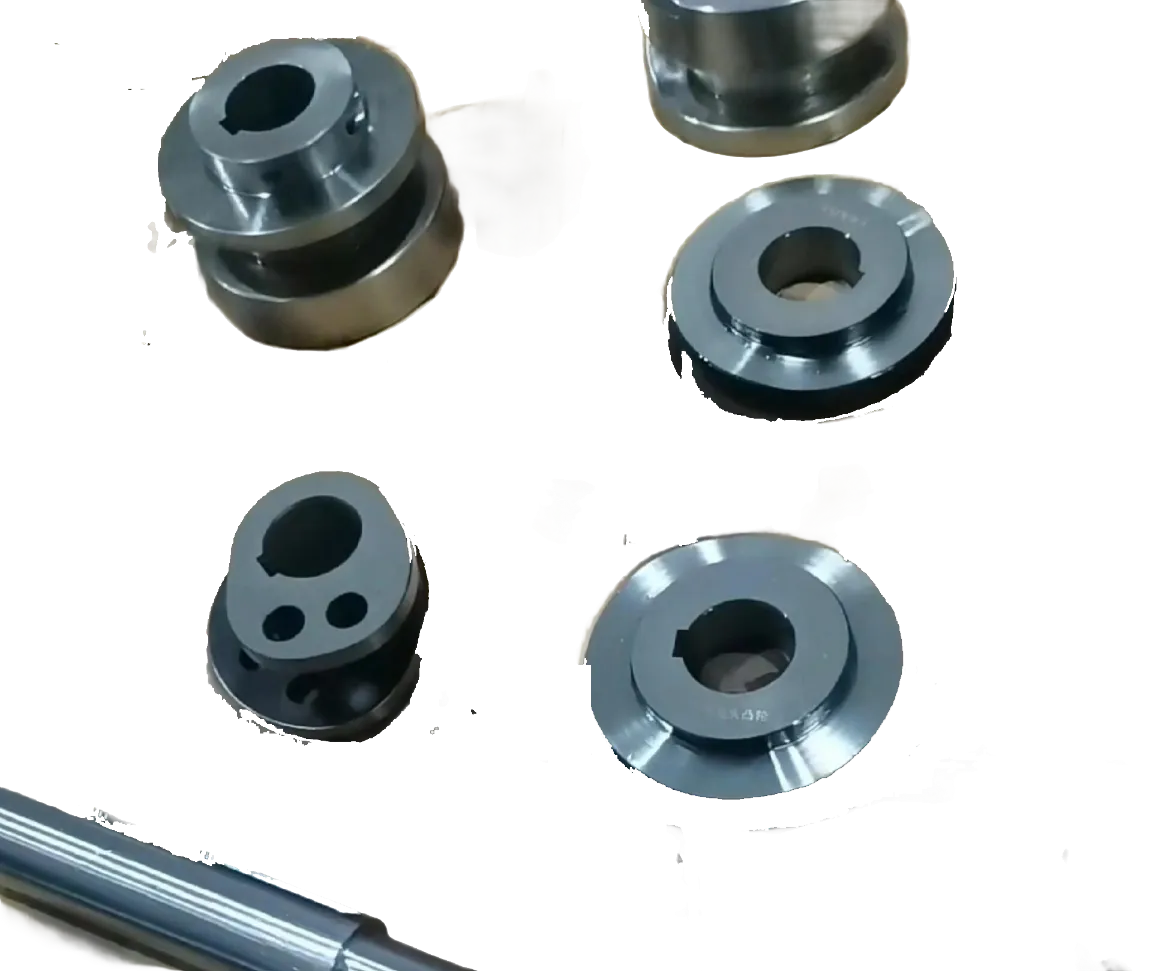
52100 Bearing Steel Precision Ground Parts

Bearing steel is not just hard — it is engineered at the microstructural level for a specific failure mode: rolling contact fatigue. The fine, uniform chromium carbide distribution produced by proper heat treatment is what distinguishes bearing steel from general high-carbon or tool steels of similar hardness.

HRC
HRC 60–64 — Highest Standard Achievable in Through-Hardened Steel
The 1.0% carbon + 1.5% chromium composition produces maximum martensite hardness after quench — harder than 440C stainless and comparable to high-speed steel, with superior uniformity through the cross-section.
Cr
Chromium Carbides — Fine, Uniform Distribution
Chromium promotes a fine, uniformly distributed carbide network after proper heat treatment. These carbides resist deformation under hertzian contact stress — the repeated subsurface stress pattern in rolling bearings that causes fatigue spalling in softer or less uniform materials.
Rolling Contact Fatigue Life — Purpose-Engineered
52100 was specifically developed (and has been refined for over 100 years) to maximize L10 bearing fatigue life — the number of cycles to first fatigue failure. No other common steel matches its rolling contact fatigue performance per unit cost.
Ra
Excellent Polishability for Bearing Surfaces
The fine carbide microstructure of 52100 accepts superfinishing to Ra 0.05–0.1 μm — essential for bearing races and ball screw surfaces where surface roughness directly controls contact stress concentration and fatigue life.
Heat Treatment Process

From Annealed Bar to HRC 62 Precision Ground Part

Bearing steel heat treatment is more controlled than general alloy steel — austenitizing temperature window is narrow, sub-zero treatment is routinely required, and tempering must be low enough to preserve maximum hardness while reducing brittleness.

🔩
Rough Machine
Annealed — ~HRC 20
CNC turning and milling with 0.2–0.5 mm grinding stock left on all critical surfaces. Annealed spheroidized condition for cleanest chip formation.
🔥
Austenitize
820–860°C (52100)
Narrow temperature window — lower than alloy steels. Dissolves carbon into austenite without excessive carbide coarsening. Atmosphere-controlled furnace prevents decarburization.
Quench + Sub-Zero
Oil → −75°C to −196°C
Oil quench to room temperature, then immediately to sub-zero. Converts retained austenite to martensite — critical for dimensional stability and maximum hardness. Sub-zero is routinely specified, not optional, for precision bearing parts.
🌡
Low Temper
150–180°C
Low tempering temperature preserves maximum hardness (HRC 60–64) while reducing brittleness. Higher tempering temperatures sacrifice hardness for toughness — specified only when application demands it.
Precision Grind
±0.002–0.005 mm
OD/ID cylindrical grinding recovers final tolerance after heat treatment distortion. Superfinishing to Ra 0.05–0.1 μm on bearing contact surfaces as required.
Machining Notes

Machining 52100 / GCr15 — Key Considerations

Challenges with Bearing Steel
!
High carbide content — abrasive on cutting toolsThe chromium carbides in 52100 are significantly harder than the steel matrix. Cutting tools wear faster than on equivalent-hardness plain steel — tool change intervals must be planned to avoid surface degradation late in the insert life.
!
Decarburization risk during heat treatmentHigh carbon content makes 52100 susceptible to surface carbon loss (decarburization) during austenitizing. Atmosphere-controlled furnaces are mandatory — air furnaces will produce a soft surface layer that compromises hardness and fatigue life.
!
Narrow austenitizing temperature window52100 must be austenitized within a narrow range (820–860°C). Too low = incomplete carbide dissolution and low hardness. Too high = excessive carbide coarsening, reduced fatigue life, and retained austenite.
!
Sub-zero treatment timing is criticalSub-zero treatment must be performed immediately after quench — before any retained austenite stabilizes. Delayed sub-zero treatment is less effective. We manage the timing as part of the heat treatment sequence.
How We Manage These Challenges
Grade-specific tooling — coated carbide with planned intervalsPVD-coated carbide inserts with positive rake angles, conservative cutting speeds, and planned tool change intervals prevent late-insert-life degradation from affecting final surfaces.
Atmosphere-controlled heat treatment onlyAll 52100/GCr15 heat treatment is performed in controlled-atmosphere or vacuum furnaces — decarburization is eliminated, not inspected for after the fact.
Austenitizing temperature verified, not assumedFurnace temperature calibration records and load thermocouple data retained for each heat treatment batch — part of the quality record delivered with the order.
Sub-zero treatment sequenced immediately post-quenchOur heat treatment coordination ensures sub-zero processing happens within the required window — not after the parts sit overnight or travel between facilities.
Manufacturing Capability

How We Machine Bearing Steel Parts

CNC Turning 52100 GCr15 Annealed
PROCESS / 01
CNC Turning (Annealed)
Rough and semi-finish turning of 52100/GCr15/SUJ2 in spheroidized-annealed condition. External and internal profiles machined with calculated grinding allowance (0.2–0.5 mm per face) on all bearing contact surfaces before heat treatment.
Annealed ~HRC 20Grinding AllowanceRaces & Races
Precision Cylindrical Grinding 52100
PROCESS / 02
Precision Cylindrical Grinding
OD and ID cylindrical grinding after heat treatment to recover final tolerance. Bearing seat diameters held to ±0.002–0.005 mm. Roundness (out-of-roundness) controlled to 0.001–0.002 mm on precision races and journal surfaces.
±0.002 mmOD/ID GrindingBearing Seats
Prototype to Production Bearing Steel
PROCESS / 03
Prototype to Production
Single-piece prototypes through production runs — the same full heat treatment, sub-zero, and precision grinding sequence runs for all quantities. No minimum order quantity. First-article inspection report available for all orders.
No MOQFull HT SequenceFAIR Available
Material Selection

52100 vs Other High-Hardness Steels

Property 52100 / GCr15 440C SS D2 Tool Steel 4140 (HT) M2 HSS
Max Hardness HRC 60–64 HRC 58–60 HRC 58–62 HRC 34–42 HRC 62–65
Rolling Contact Fatigue ★★★★★ Best ★★★ Moderate ★★ Poor Not rated ★★ Poor
Corrosion Resistance Low (non-SS) Good (SS) Low Low Low
Machinability (annealed) ★★★ Moderate ★★★ Moderate ★★ Difficult ★★★★ Good ★★ Difficult
Sub-Zero Treatment Required (standard) Recommended Recommended Not typical Sometimes
Primary Application Bearings, ball screws, precision rolling contact Bearings (corrosive env.) Dies, punches, cutting tools Shafts, structural parts Cutting tools, drills
Choose When Maximum rolling contact fatigue life, non-corrosive environment Corrosive environment + bearing application Sliding wear / die application Moderate hardness structural parts Cutting tool application
Selection rule: For rolling contact fatigue applications (bearings, ball screws, rolling elements) in non-corrosive environments — 52100/GCr15 is the correct choice. For the same application in marine or chemical environments, specify 440C stainless bearing grade. Never substitute general alloy steel (4140) in rolling contact applications — the fatigue life difference is orders of magnitude.
Application Gallery

Typical Bearing Steel Parts We Produce

52100 Ball Bearing Inner Outer Race52100 / GCr15
Bearing Inner & Outer Races
Material52100 / GCr15 — HRC 60–62 after Q&T
ProcessCNC Turning → Q&T + Sub-Zero → OD/ID Grinding → Superfinishing
IndustryAutomotive · Industrial · Precision Machinery
GCr15 Ball Screw Nut ShaftGCr15 / 52100
Ball Screw Shafts & Nuts
MaterialGCr15 / 52100 — HRC 58–62
ProcessCNC Turning → Q&T + Sub-Zero → Thread Grinding
IndustryCNC Machine Tools · Robotics · Precision Automation
52100 Valve Ball High Pressure52100 / SUJ2
Precision Valve Balls & Seats
Material52100 / SUJ2 — HRC 60–64
ProcessCNC Turning → Q&T → Lapping to Sphericity <0.001 mm
IndustryHigh-Pressure Fluid · Hydraulics · Check Valves
52100 Precision Rollers Cam Followers52100 / GCr15
Precision Rollers & Cam Followers
Material52100 / GCr15 — HRC 58–62
ProcessCNC Turning → Q&T + Sub-Zero → Cylindrical Grinding
IndustryAutomation · Packaging Machinery · Robotics
GCr15 Precision Punch Pin Die InsertGCr15 / 52100
Punch Pins & Precision Die Inserts
MaterialGCr15 / 52100 — HRC 60–62
ProcessCNC Turning → Q&T + Sub-Zero → OD Grinding
IndustryStamping · Forming · Precision Tooling
Industries Served

Bearing Steel for Precision Demanding Applications

Bearings
52100 / GCr15
Machine Tools
GCr15 / SUJ2
Automotive
SUJ2 / GCr15
Aerospace
52100
🔧
Hydraulics
52100 / GCr15
Robotics
GCr15 / 52100
Project Case Studies

Bearing Steel Projects We've Delivered

GCr15 Bearing Outer Race Ground
CASE / 01

GCr15 Bearing Outer Race — Industrial Gearbox Drive Unit

GCr15 / 52100 CNC Turning Q&T + Sub-Zero −75°C OD/ID Cylindrical Grinding Superfinishing Ra 0.1 μm Qty 600 pcs
Material
GCr15 per GB/T 18254, vacuum-degassed bar with cleanliness verification report required by customer
Process
CNC turning (annealed, 0.35 mm grinding stock per surface) → atmosphere-controlled austenitize 840°C → oil quench → sub-zero −75°C → temper 160°C → OD/ID cylindrical grinding → superfinishing Ra 0.1 μm → CMM + roundness inspection
Challenge
OD Ø110 −0/+0.006 mm, ID Ø72 +0/−0.006 mm, roundness ≤0.003 mm on both bore and OD after heat treatment. Vacuum-degassed material required to meet L10 fatigue life specification. Sub-zero timing controlled within 2 hours of quench completion.
Outcome
600-piece delivery across 3 batches. All HRC 61–63. OD/ID within ±0.004 mm of nominal. Roundness ≤0.002 mm across full batch. Superfinish Ra 0.08 μm average. Customer's fatigue test bench validated L10 life exceeding specification by 22%.
Result: L10 fatigue life 22% above specification — attributed to consistent sub-zero treatment and vacuum-degassed material quality. Customer now specifies our GCr15 supply for all gearbox bearing races in this product family.
Request Similar Part →
GCr15 Precision Valve Ball High Pressure
CASE / 03

GCr15 Precision Valve Ball — High-Pressure Hydraulic Check Valve · 5,000 pcs

GCr15 / 52100 CNC Turning Q&T HRC 60–62 Precision Lapping Sphericity ≤0.0008 mm Qty 5,000 pcs
Material
GCr15 bar, standard commercial grade, full mill cert with hardness range verification
Process
CNC turning (near-net sphere, +0.1 mm) → Q&T HRC 60–62 + sub-zero −75°C → rough lap → finish lap (sphericity ≤0.0008 mm, Ra ≤0.05 μm) → 100% roundness inspection
Challenge
Sphericity ≤0.0008 mm on Ø12 mm ball at HRC 61 — the lapping sequence must produce a perfect sphere within sub-micron roundness tolerance across 5,000 pieces with consistent process control.
Outcome
5,000 balls delivered in 4 batches. 100% roundness inspected. Average sphericity 0.0005 mm. HRC 60–62 per batch Rockwell test. Zero field seal failures reported over 18 months of high-pressure hydraulic service.
Result: Previous supplier's GCr15 balls had sphericity ranging to 0.002 mm — causing intermittent leakage at operating pressure. Our process reduced sphericity by 4× and eliminated the leakage issue entirely. Customer now sole-sources all valve balls in this valve family from us.
Request Similar Part →
From Annealed Bar to Precision Ground Part

How We Produce Bearing Steel Parts

STEP 01
Bar Stock Sourcing
52100 / SUJ2 / GCr15 bar sourced in spheroidized-annealed condition with mill cert — chemistry, cleanliness grade (standard / VD / ESR) verified per application.
STEP 02
CNC Rough Machining
Turning, boring, and milling in annealed condition. Controlled carbide tool wear monitoring. Grinding allowance calculated and left on all precision surfaces.
STEP 03
Heat Treatment + Sub-Zero
Atmosphere-controlled austenitize → oil quench → immediate sub-zero (−75°C or −196°C) → low temper 150–180°C. Hardness HRC 60–64 verified by Rockwell test before proceeding.
STEP 04
Precision Grinding
OD/ID cylindrical grinding to ±0.002–0.005 mm. Superfinishing to Ra 0.05–0.1 μm on bearing contact surfaces. Roundness verified on all critical bores and journals.
STEP 05
Inspection & Delivery
CMM dimensional report, Rockwell hardness test records, furnace cycle charts, surface roughness measurement, and mill cert packed with every order.
Post-Processing

Surface Treatments for Bearing Steel Parts

All Finishes →

Bearing steel (52100 / GCr15) is not a stainless steel — it has no inherent corrosion resistance. Surface treatment is required for parts exposed to moisture or process fluids. Key constraint: high hardness (HRC 60+) limits treatment options — hydrogen embrittlement risk must be managed for any treatment applied to hardened steel.

Black Oxide
The most common treatment for hardened bearing steel. Hot caustic blackening provides light corrosion protection with essentially zero dimensional change (<0.001 mm) — compatible with the tight tolerances on ground bearing components. Standard for bearing races, rollers, and valve balls stored or used in oil-lubricated environments.
~0 Dim. ChangeLight ProtectionNo H₂ Embrittlement
Phosphate Coating
Manganese or zinc phosphate produces a micro-porous surface that holds lubricant — improving bearing run-in and reducing galling on initial contact. Used on bearing races and precision rollers. Minimal dimensional change, no hydrogen embrittlement risk.
Lubricant RetentionRun-In Protection52100 Compatible
Electroless Nickel
Uniform corrosion protection (20–50 μm) for bearing steel parts used in humid or wet environments. Applied carefully — post-plating bake (190°C, 4 hours) required to prevent hydrogen embrittlement in HRC 60+ steel. Adds measurable dimensional increase — must be accounted for in pre-plate grinding.
H₂ Bake RequiredDim. Increase ~25 μmHumid Service
DLC / PVD Coating
Diamond-Like Carbon (DLC) or TiN/CrN PVD coatings applied on 52100 bearing surfaces — adds Hv 2000+ wear layer, reduces friction coefficient to μ <0.1, and improves surface fatigue life on high-speed or marginal lubrication applications. Applied post-grinding at low temperature — no effect on base steel hardness.
Hv 2000+μ <0.1No Base HRC Loss
HRC 64
Max Hardness (52100)
±0.002mm
Precision Grinding
Ra 0.05μm
Superfinish
24hr
Quote Turnaround
Why Work With Us

Why Choose Us for Bearing Steel Machining

HT
Full Heat Treatment + Sub-Zero — Managed as One Order
Atmosphere-controlled austenitizing, oil quench, sub-zero treatment (−75°C or liquid nitrogen −196°C), and tempering coordinated by us. Hardness HRC 60–64 verified before proceeding to grinding — not assumed.
GR
Precision Grinding to ±0.002 mm — Post-HT Standard
OD and ID cylindrical grinding recovers final tolerance after heat treatment distortion. Roundness and concentricity verified on bearing seats. Superfinishing to Ra 0.05–0.1 μm available for bearing contact surfaces.
MS
All Three Standards: 52100 / SUJ2 / GCr15
We source and machine all three standard designations — supply from Japanese JIS-spec SUJ2 stock for Japanese OEM customers, GCr15 from Chinese mills for mainland China supply chains, or ASTM A295 52100 for international specifications.
QC
Hardness + CMM + Furnace Records — Delivered with Every Order
Rockwell hardness test records (per batch or per part), CMM dimensional report, atmosphere furnace cycle charts, and mill certificate with chemistry verification packed with every delivery. No documentation hunting after the fact.
FAQ

Frequently Asked Questions

Common questions about 52100, SUJ2, and GCr15 bearing steel — grade equivalency, heat treatment, sub-zero processing, precision grinding, and surface finishing.

AISI 52100 (also known as SUJ2 in Japan and GCr15 in China) is a high-carbon, chromium-alloyed bearing steel specifically engineered for rolling contact fatigue resistance. Its composition — approximately 1.0% carbon and 1.5% chromium — produces a fine, uniform distribution of chromium carbides after heat treatment that gives exceptional hardness (HRC 60–64), wear resistance, and contact fatigue life. These properties make it the standard material for precision ball bearings, roller bearings, bearing races, precision ball screws, and other components subjected to repeated rolling contact stress.
52100 (AISI), SUJ2 (JIS G4805), and GCr15 (GB/T 18254) are national standard designations for essentially the same bearing steel composition — high carbon (approximately 0.95–1.10%), chromium (1.30–1.65%), and small additions of manganese and silicon. Minor compositional differences exist between standards, but all three are functionally interchangeable for precision bearing and wear part applications. 52100 is the American designation used internationally; SUJ2 is specified by Japanese OEMs and in JIS supply chains; GCr15 is the Chinese GB standard and is the most commonly stocked grade in mainland China.
52100 bearing steel achieves HRC 60–64 after standard quench and temper heat treatment — significantly harder than 440C stainless (HRC 58–60) and comparable to high-speed tool steels. The high hardness combined with fine chromium carbide distribution gives 52100 exceptional rolling contact fatigue life. Sub-zero treatment after quenching converts retained austenite to martensite, further increasing hardness and improving dimensional stability in service.
52100 is typically machined in the annealed or spheroidized-annealed condition (approximately HRC 20–25) using conventional CNC turning and milling. After machining, parts are heat-treated to HRC 60–64, then precision-ground on all critical surfaces to recover final tolerance after heat treatment distortion. The annealed machinability is similar to medium-carbon alloy steel, though the high carbide content can cause more rapid tool wear than plain carbon steels. Sub-zero treatment is routinely applied after quench before tempering to maximize hardness and dimensional stability.
Sub-zero treatment (also called cryogenic processing) is the cooling of hardened bearing steel to temperatures between −75°C and −196°C immediately after quenching, before tempering. This low-temperature treatment converts retained austenite — a softer, metastable phase that remains after quenching — into martensite, the hard phase that gives bearing steel its properties. Without sub-zero treatment, retained austenite can transform to martensite in service under stress or temperature changes, causing dimensional growth and bearing failure. For precision bearing applications, sub-zero treatment is routinely specified to ensure dimensional stability and maximum hardness.
52100 bearing steel and tool steels (D2, H13) both achieve high hardness, but are engineered for different stress types. 52100 is specifically optimized for rolling contact fatigue — the repeated hertzian contact stress in bearings — through its fine, uniformly distributed chromium carbide microstructure and extremely high cleanliness. Tool steels like D2 are optimized for wear resistance in sliding contact and impact. 52100 has higher fatigue life under rolling contact but lower toughness and shock resistance compared to D2. For bearing components and precision rolling elements, 52100/GCr15 is the correct choice; for dies, punches, and cutting tools, D2 or H13 is more appropriate.
After heat treatment and precision cylindrical grinding, we hold tolerances of ±0.002–0.005 mm on critical bearing seat diameters and bore dimensions. Roundness (out-of-roundness) can be controlled to 0.001–0.002 mm on precision ground bearing races. Surface roughness Ra 0.2–0.4 μm is standard on ground bearing surfaces; Ra 0.05–0.1 μm is achievable with superfinishing. All critical dimensions are CMM-verified before release.
Black oxide is the most common surface treatment for 52100 bearing steel parts — it provides light corrosion protection with essentially zero dimensional change, and is compatible with the hardened surface. Phosphate coating is also used for similar reasons. Hard chrome plating and electroless nickel can be applied for enhanced corrosion protection but must be applied carefully to avoid hydrogen embrittlement in high-hardness steel — post-plate baking at 190°C for 4 hours is required. PVD coatings (TiN, DLC) are used on precision bearing components to further reduce friction and improve wear life without affecting base steel hardness.
Get a Quote

Send Your Drawing.
Get a Quote.

Every enquiry includes a DFM review — tolerance feasibility, material confirmation, and process approach confirmed before production starts. MOQ 1 piece.

24hr
Quote Response
MOQ 1
Prototypes OK
ISO
9001:2015
📐
DFM Review on Every Enquiry
Tolerance feasibility, fixturing strategy, and material confirmation. Specific, actionable feedback — not generic pushback.
🎯
First Article Inspection — Standard
FAI report on every new run. Material certs and surface treatment certs included with every shipment.
🔄
Same Process: Prototype to Production
Process plan from your prototype applies to production batches. No re-qualification when you scale.
3 / 4 / 5-Axis CNC + Turning
Complex structural parts, shafts, housings, and transmission components. Metals and engineering plastics.
ISO 9001:2015 3/4/5-Axis Milling CNC Turning CMM Inspection Global Delivery