
Specialty & Advanced Metals CNC
Specialty Metal
CNC Machining
Cobalt Alloys (Stellite)
Tungsten & W-Heavy Alloy
Molybdenum / TZM
Tantalum
Nitinol (NiTi)
Precision CNC machining of cobalt alloys, tungsten, molybdenum, tantalum, and Nitinol for aerospace, medical, nuclear, defense, and semiconductor applications where extreme performance properties — hardness, temperature resistance, wear resistance, shape memory — are non-negotiable.

W Melting Point
3,422 °C

Cobalt Alloys · Stellite 6 / 21 ✦
Tungsten · W-Ni-Fe Heavy Alloy ✦
Molybdenum · TZM Alloy ✦
Tantalum · Chemical Resistance ✦
Nitinol · Shape Memory · Superelastic ✦
Aerospace · Medical · Nuclear · Defense ✦
PCD · CBN · Ceramic Tooling ✦
Valve Seats · Implants · Radiation Shielding ✦
Cobalt Alloys · Stellite 6 / 21 ✦
Tungsten · W-Ni-Fe Heavy Alloy ✦
Molybdenum · TZM Alloy ✦
Tantalum · Chemical Resistance ✦
Nitinol · Shape Memory · Superelastic ✦
Aerospace · Medical · Nuclear · Defense ✦
PCD · CBN · Ceramic Tooling ✦
Valve Seats · Implants · Radiation Shielding ✦
Material Grades
Five Specialty Metals, Five Extreme Demands
⚠ VERY HARD TO MACHINE
Co-Cr
Stellite 6 · Stellite 21 · ASTM F75 (CoCrMo)
Wear, Corrosion & Temperature Resistance — Simultaneously
Cobalt-chromium-tungsten (Stellite 6) and cobalt-chromium-molybdenum (Stellite 21, ASTM F75) alloys engineered to resist wear, corrosion, and elevated temperatures at the same time — a combination no other material family matches. Used in gas turbine hardfacing, valve seat inserts, surgical hip and knee implants, and cutting tool tips. Work-hardens rapidly — continuous cutting required.
~900 MPa
Tensile Strength
HRC 36–46
Hardness
to 900°C
Service Temp
Low
Machinability
Valve Seat InsertsHip ImplantsTurbine TipsCutting Tools
View Cobalt Details
Composition (Stellite 6)
| Cobalt (Co) | Balance (~60%) |
| Chromium (Cr) | 26.0–32.0% |
| Tungsten (W) | 3.0–6.0% |
| Carbon (C) | 0.9–1.4% |
| Nickel (Ni) max | 3.0% |
Key Properties
Extreme wear resistance — both abrasive and adhesive wear
Retains hardness at elevated temperatures (hot hardness)
Work-hardens severely — no dwell or recutting tolerated
ASTM F75 (CoCrMo): biocompatible implant grade
⛔ EXTREME — Pure W
W / WHA
Pure W · W-Ni-Fe · W-Ni-Cu · ASTM B760 / AMS 7725
Highest Melting Point Metal — Density, Shielding & High-Temperature
Pure tungsten: melting point 3,422°C, density 19.3 g/cm³ — used for X-ray targets, furnace heating elements, and rocket nozzle liners. Brittle at room temperature; requires careful, vibration-free machining. Tungsten heavy alloys (WHA: 90–97% W, balance Ni-Fe or Ni-Cu): ductile binder phase makes these dramatically easier to machine while retaining near-tungsten density. Used for radiation shielding, kinetic energy penetrators, vibration damping counterweights, and medical collimators.
3,422°C
Melting Point
19.3 g/cm³
Density
HRC 30–36
WHA Hardness
Very Low
Machinability
Radiation ShieldingCounterweightsX-ray TargetsFurnace Parts
View Tungsten Details
Composition (W-Ni-Fe WHA)
| Tungsten (W) | 90.0–97.0% |
| Nickel (Ni) | 2.0–5.0% |
| Iron (Fe) | 1.0–3.0% |
| Pure W density | 19.3 g/cm³ |
| WHA density | 17.0–18.5 g/cm³ |
Key Properties
Highest melting point of any metal element
Exceptional gamma / X-ray radiation attenuation
Pure W is brittle at room temp — WHA is ductile
PCD tooling required for pure W; carbide for WHA
⛔ EXTREME — Pure Mo
Mo / TZM
Pure Mo · TZM (Mo-0.5Ti-0.08Zr) · ASTM B386
High-Temperature Strength, Thermal Conductivity & Low Expansion
Molybdenum and its TZM alloy (titanium-zirconium strengthened Mo) combine a melting point of 2,623°C with high thermal conductivity, very low thermal expansion coefficient, and good strength retention at temperatures exceeding 1,000°C. Used in semiconductor heat spreaders (matched CTE to silicon), vacuum furnace heating elements and boats, X-ray tube anodes, rocket nozzle throats, and glass-forming mandrels. Brittle at room temperature in pure form — TZM has improved ductility and is the preferred machined grade.
2,623°C
Melting Point
138 W/m·K
Thermal Cond.
5.1 ppm/K
CTE
Very Low
Machinability
Heat SpreadersFurnace ElementsX-ray AnodesRocket Nozzles
View Molybdenum Details
Composition (TZM)
| Molybdenum (Mo) | Balance (~99.4%) |
| Titanium (Ti) | 0.40–0.55% |
| Zirconium (Zr) | 0.06–0.12% |
| Carbon (C) | 0.01–0.04% |
Key Properties
Very high thermal conductivity — best heat spreader substrate
Near-zero thermal expansion — CTE matched to Si/GaAs chips
TZM: improved ductility and creep resistance vs pure Mo
Must not be impacted — brittle fracture risk at room temperature
◆ HARD — Gummy Cutting Behavior
Ta
Pure Ta · Ta-2.5W · ASTM B708 / B365
Universal Acid Resistance, Biocompatibility & Refractory Properties
Tantalum is exceptional for one defining reason: it resists virtually every acid at any concentration up to boiling point — including HCl, H₂SO₄, HNO₃, and aqua regia — making it the material of choice for the most aggressive chemical processing environments where no other metal survives. It is also fully biocompatible, dense (16.6 g/cm³), and has a melting point of 3,017°C. Tantalum is relatively ductile and machinable compared to other refractory metals — the main challenge is its gummy, work-hardening cutting behavior rather than brittleness.
3,017°C
Melting Point
16.6 g/cm³
Density
Universal
Acid Resistance
Moderate
Machinability
Acid Reactor LinersSurgical ImplantsCapacitor AnodesChemical Fittings
View Tantalum Details
Composition (Pure Ta)
| Tantalum (Ta) | ≥99.9% |
| Niobium (Nb) max | 0.10% |
| Tungsten (W) max | 0.005% |
| Oxygen (O) max | 0.015% |
Key Properties
Resists all mineral acids including HCl, H₂SO₄, HNO₃, HF
Fully biocompatible — osseointegration with bone tissue
Ductile at room temperature — less brittle than W and Mo
Sharp uncoated carbide with flood coolant — prevents built-up edge
Ta-2.5W: higher strength, similar corrosion performance
⛔ EXTREME — Superelastic
NiTi
Nitinol · ASTM F2063 · 55Ni-45Ti (wt%)
Shape Memory & Superelastic Alloy — Medical & Aerospace
Nitinol is a near-equiatomic nickel-titanium intermetallic that exhibits either shape memory effect (SME) — returning to a preset shape when heated — or superelastic behavior (SE) — recovering large elastic strains up to 8% without permanent deformation. It is one of the most difficult alloys in existence to machine: superelastic spring-back, extreme work-hardening, severe heat generation, and rapid tool wear combine to demand extremely careful process control. Used for endovascular stents, guidewires, orthodontic archwires, actuators, and aerospace fasteners.
Up to 8%
Elastic Strain
~900 MPa
UTS
HRC 30–35
Hardness
Extreme
Difficulty
StentsGuidewiresOrthodontic WiresActuatorsAerospace Fasteners
View Nitinol Details
Composition (Nitinol SE)
| Nickel (Ni) | 54.5–56.5% (wt) |
| Titanium (Ti) | Balance |
| Oxygen (O) max | 0.05% |
| Carbon (C) max | 0.02% |
| Transformation temp (Af) | Composition-tuned |
Key Properties
Superelastic — recovers up to 8% strain elastically
Shape memory — returns to preset shape on heating
Biocompatible per ASTM F2063 for implantable devices
Extreme spring-back during machining requires compensation
Uncoated carbide or PCD, high-pressure coolant, very slow speeds
Material Comparison
Full Property Comparison — All Five Specialty Metals
| Property | Cobalt Alloy | Tungsten (WHA) | Molybdenum (TZM) | Tantalum | Nitinol |
|---|---|---|---|---|---|
| Base System | Co-Cr-W / Co-Cr-Mo | W-Ni-Fe (90–97% W) | Mo-Ti-Zr | Pure Ta / Ta-2.5W | Ni-Ti (~55/45 wt%) |
| Melting Point | ~1,350°C | 3,422°C (pure W) | 2,623°C | 3,017°C | ~1,310°C |
| Density | 8.3–8.6 g/cm³ | 17.0–19.3 g/cm³ | 10.2 g/cm³ | 16.6 g/cm³ | 6.45 g/cm³ |
| Tensile Strength | ~900 MPa | 700–1,000 MPa (WHA) | 550–700 MPa (TZM) | ~270 MPa (annealed) | ~900 MPa + 8% elastic |
| Key Feature | Wear + corrosion + heat | Density + shielding | Thermal conductivity + CTE | Universal acid resistance | Shape memory / superelastic |
| Machinability | Very hard — work-hardens | Extreme (pure W) / Hard (WHA) | Extreme — brittle, chips | Hard — gummy, BUE risk | Extreme — spring-back |
| Tooling Required | PVD AlTiN carbide | PCD (pure W) / Carbide (WHA) | Sharp uncoated carbide | Sharp uncoated carbide | PCD / uncoated carbide |
| Coolant Strategy | High-pressure coolant | Dry (pure W) / Flood (WHA) | Dry / MQL | Flood coolant preferred | High-pressure coolant |
| Primary Industry | Aerospace, Medical, Oil&Gas | Defense, Nuclear, Medical | Semiconductor, Aerospace | Chemical, Medical, Nuclear | Medical, Aerospace |
Machining Notes
Machining Specialty Metals — Engineering-Level Challenges
⚠
Challenges Unique to These Materials!
Cobalt alloys: continuous cutting mandatory — work-hardening is severeStellite grades work-harden at a rate comparable to or exceeding austenitic stainless steel. Any dwell, recutting, or tool rubbing at zero feed instantly creates a hardened surface that is significantly harder than the bulk material. Programs must maintain chip engagement throughout — no pauses in cut under any circumstances. Interrupted cuts are acceptable only with aggressive chip clearance geometry.
!
Pure tungsten: brittle fracture is the primary riskPure tungsten transitions from brittle to ductile at temperatures above its DBTT (200–400°C). At room temperature, vibration or interrupted cutting causes cracking rather than chip formation. Fixturing must eliminate vibration completely, and cuts must be gentle (low depth of cut, low feed) to prevent fracture. Warm cutting — preheating the workpiece to above DBTT before machining — is used for complex pure W parts.
!
Molybdenum: edge chipping on entry and exit is critical to manageMo and TZM are brittle at room temperature — tool entry and exit from the workpiece are the highest-risk moments. Tool lead angles must be maximised to minimize the instantaneous entry force. Exit from interrupted cuts should occur at reduced feed. Any handling impact before or during machining can cause edge micro-cracking that propagates during subsequent cutting operations.
!
Tantalum: built-up edge (BUE) from gummy material behaviorTantalum behaves similarly to pure titanium in machining — it is ductile and gummy, promoting adhesion of workpiece material onto the tool rake face. Built-up edge degrades surface finish and can cause sudden tool failure. Sharp uncoated carbide (no TiAlN coating — Ti in coating reacts with Ta) with flood coolant is the correct approach. Cutting speeds must be conservative to keep temperatures below the adhesion threshold.
!
Nitinol: superelastic spring-back makes dimensional control extremely challengingNitinol recovers up to 8% elastic strain after cutting forces are released — meaning that the diameter measured under cutting force can be 0.1–0.3 mm different from the final relaxed dimension. All Nitinol bore and shaft programs require iterative spring-back compensation passes. Additionally, work-hardening from each pass makes subsequent passes progressively harder — tool changes must be planned between roughing and finishing.
✓
How We Address Each Material's Challenges✓
Material-specific CAM strategy — not a generic superalloy approachEach of the five materials has a completely different failure mode. We use dedicated CAM post-processors and toolpath strategies for each: continuous climb milling for cobalt alloys, vibration-damped toolpaths for brittle refractory metals, spring-back compensation algorithms for Nitinol, and BUE-prevention strategies for tantalum.
✓
Advanced tooling inventory — PCD, CBN, ceramic, and uncoated carbide stocked per materialWe maintain separate tooling inventory for each specialty metal: PCD inserts for pure W and Nitinol; uncoated sharp carbide (K-grade) for Mo, Ta, and pure Ti-adjacent materials; CBN for cobalt alloy finishing; SiAlON ceramic for cobalt alloy roughing. Tool mixing between materials is prohibited — contamination affects surface integrity on medical and nuclear components.
✓
Rigid fixturing and vibration analysis before machining brittle refractory metalsFor pure W and Mo workpieces, we perform a fixturing rigidity check before each operation — confirming that the setup has no resonant frequency near the intended spindle speed range. Vibration damping pads and solid backup fixtures are standard for all refractory metal work.
✓
Nitinol spring-back compensation — iterative measurement and correctionNitinol precision features (bores, shafts, sealing diameters) are machined in stages with intermediate measurement after each finish pass. The spring-back offset is measured and incorporated into the next pass correction. This iterative approach — rather than a fixed program — is the only reliable way to hold ±0.02 mm on Nitinol precision features.
✓
Biocompatible and nuclear-grade cleanliness protocolsFor medical-grade cobalt alloys (ASTM F75), Nitinol (ASTM F2063), and tantalum implant components: dedicated machining fixtures, cutting fluids, and storage containers — completely separate from standard production. No cross-contamination with ferrous chips or standard cutting fluids. Full traceability from raw material heat to finished part.
Manufacturing Capability
How We Machine Specialty Metal Parts
PROCESS / 01
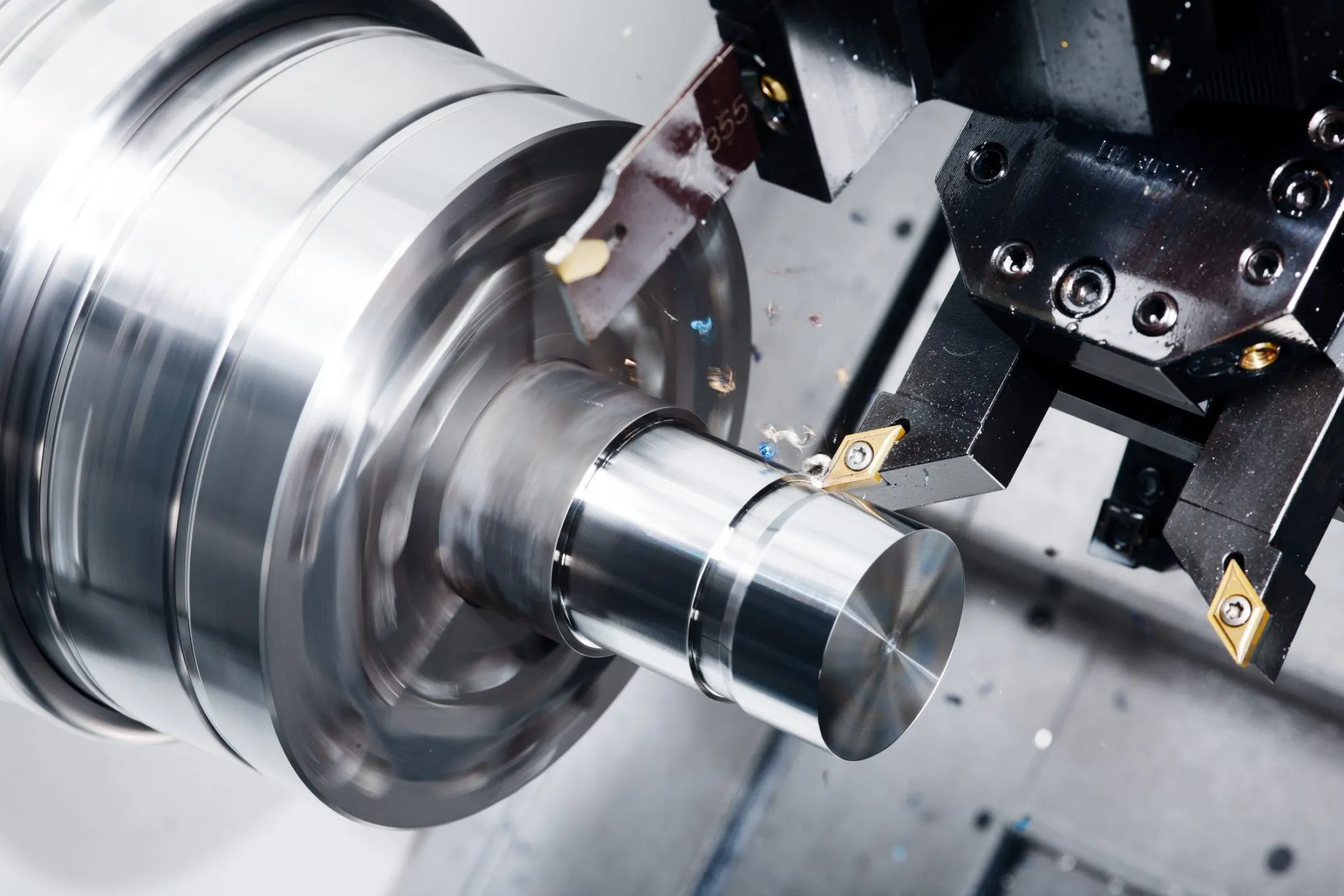
CNC Turning — Valve Seats, Shafts & Implant Blanks
Precision CNC turning of cobalt alloys (Stellite valve seats), Nitinol actuator shafts, tantalum implant blanks, and tungsten heavy alloy counterweight cylinders. Material-specific tooling, high-pressure coolant, and continuous chip engagement strategies for each grade.

PROCESS / 02
CNC Milling — Heat Spreaders, Shielding & Structural Parts
Flat and contour milling of molybdenum heat spreaders, tungsten radiation shielding blocks, and cobalt alloy wear inserts. Vibration-damped fixturing for refractory metals. PCD face milling on TZM for semiconductor-grade flatness and surface roughness.

PROCESS / 03
5-Axis Machining — Complex Aerospace & Medical Geometry
5-axis machining of complex cobalt alloy turbine tip inserts, tantalum craniofacial implant plates, and Nitinol actuator assemblies. Single-setup completion minimises handling of brittle or superelastic materials between operations — reducing fracture and deformation risk.
Application Gallery
Typical Specialty Metal Parts We Produce
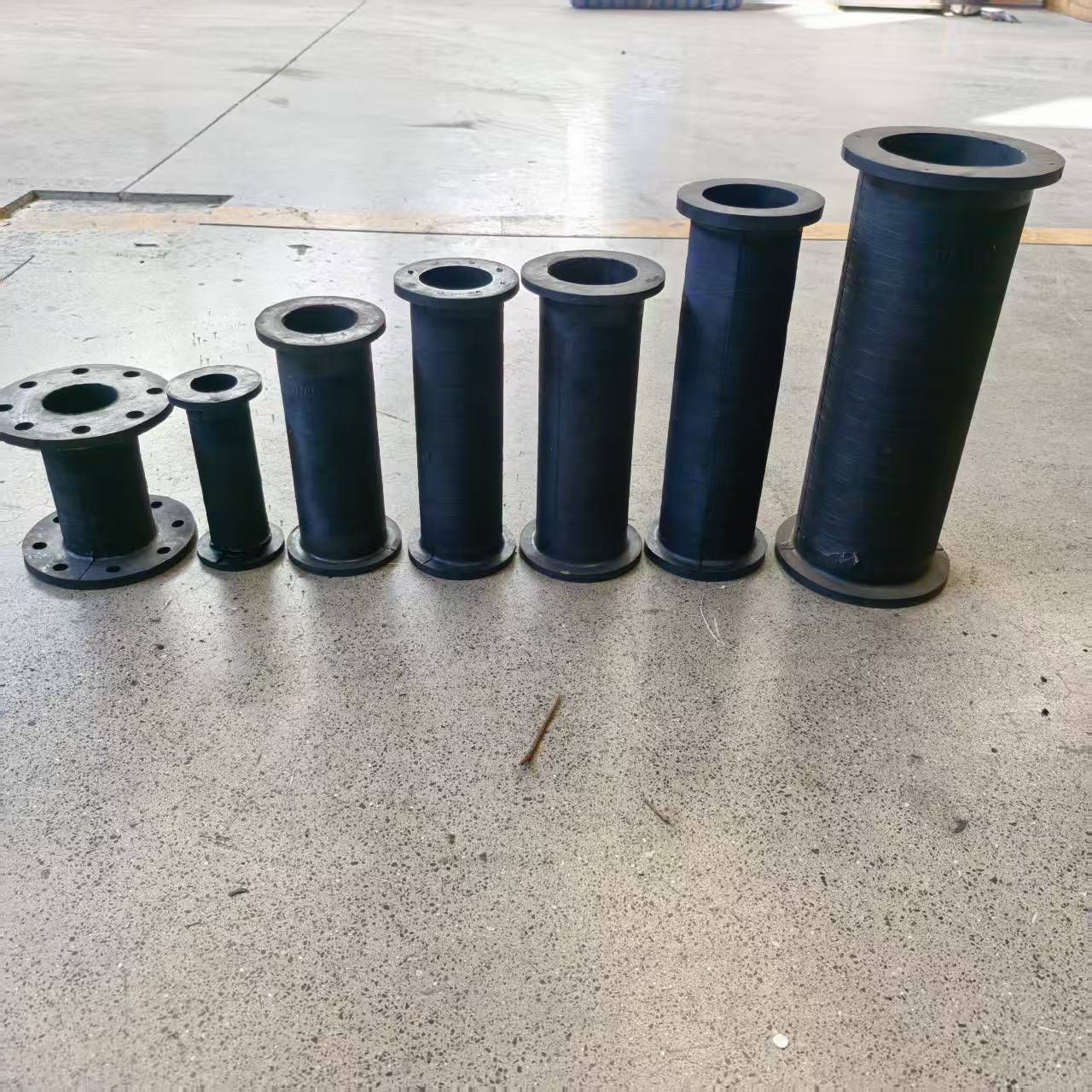 Cobalt / Stellite
Valve Seat Inserts
MaterialStellite 6 / 21 — wear & temp
ProcessCNC Turning · Grinding · Lapping
IndustryOil & Gas · Power Gen · Valves
 Tungsten WHA
Radiation Shielding Collimators
MaterialW-Ni-Fe 95% — medical / nuclear
ProcessCNC Milling · Drilling · EDM
IndustryMedical Imaging · Nuclear
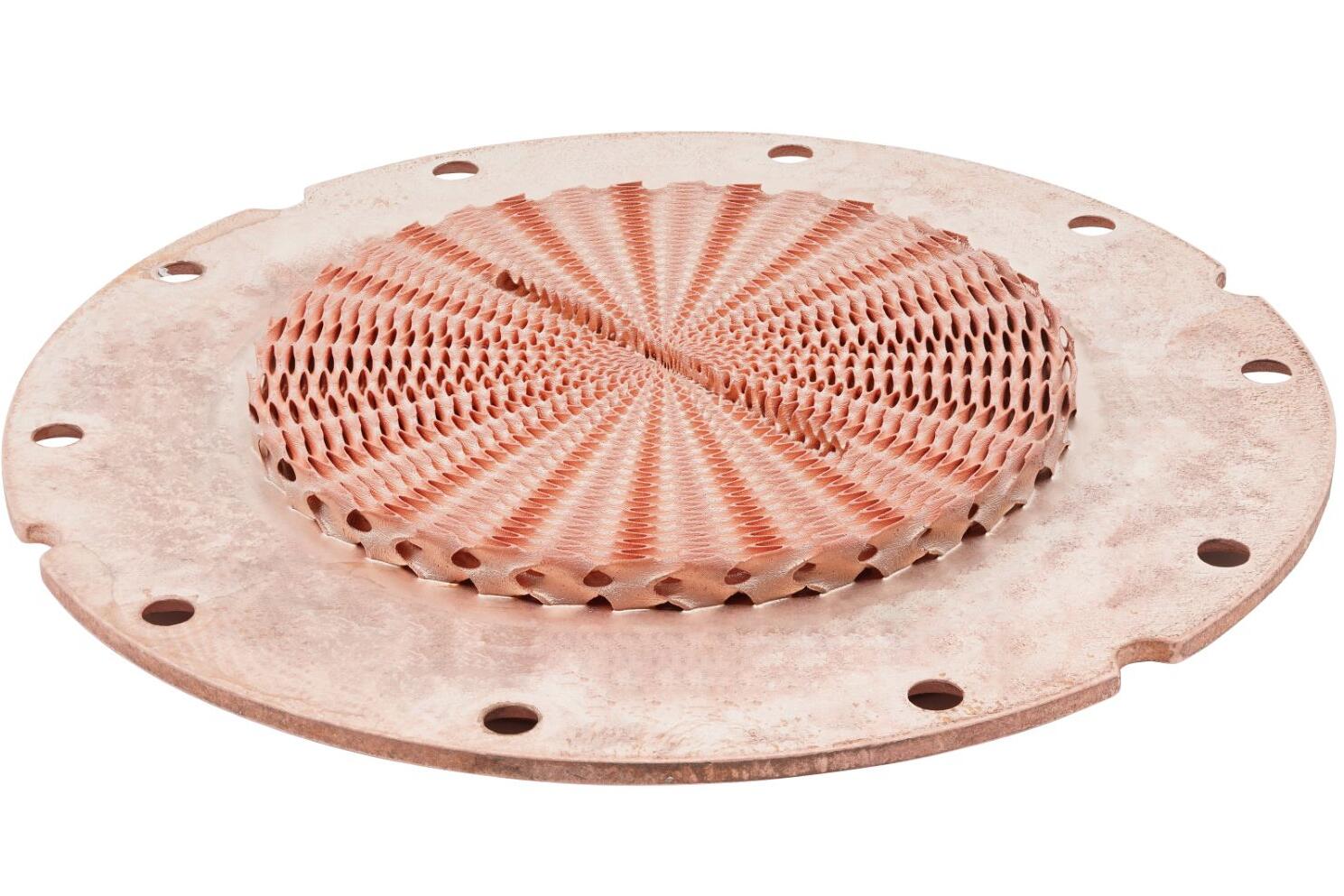 Molybdenum TZM
Semiconductor Heat Spreaders
MaterialTZM — CTE matched to Si/GaAs
ProcessPCD Face Milling · Lapping
IndustrySemiconductor · Power Electronics
Industries Served
Where No Ordinary Metal Is Sufficient
Aerospace
Co / W / Mo
Medical
Co / NiTi / Ta
Nuclear
W / Ta / Mo
Defense
W Heavy Alloy
Semiconductor
Mo / TZM
Chemical
Tantalum
From Raw Billet to Certified Part
How We Produce Specialty Metal Parts
STEP 01
Material & Certification Review
Incoming billet inspected and certified per applicable standard (ASTM F75, F2063, B708, B386, B760). Chemistry, density, and transformation temperature (Nitinol) verified before release.
STEP 02
Rough Machining
Material-specific tooling selected: ceramic or PVD carbide (cobalt alloys), carbide (WHA / Ta), uncoated K-grade (Mo / pure W), PCD (Nitinol). Vibration control for refractory metals. Continuous cutting for cobalt and Nitinol.
STEP 03
Finish Machining
Final dimensions with fresh tooling. Nitinol: iterative spring-back measurement and correction. Refractory metals: grinding or EDM for final tolerances where cutting produces insufficient dimensional control.
STEP 04
Surface Treatment
Electropolishing (cobalt alloys, Nitinol, tantalum for medical); passivation; polishing to Ra spec. Oxidation protection coating for Mo and W at high-temperature service. Clean packaging for medical components.
STEP 05
Inspection & Delivery
Full CMM verification, FAI report, material cert, and heat traceability documentation. Medical components: biocompatible packaging, ISO 13485 documentation. All certs shipped with order.
Post-Processing
Surface Treatments for Specialty Metal Parts
Specialty metals are typically supplied with minimal surface treatment — their inherent corrosion resistance or high-temperature properties are the primary functional requirement. When surface modification is needed, the following treatments are compatible with the relevant grades.
Electropolishing
Ultra-smooth passivated surface for implant-grade cobalt alloys (ASTM F75), Nitinol (ASTM F2063), and tantalum surgical components. Removes micro-burrs and surface contaminants, enhances corrosion resistance, and reduces friction on articulating surfaces. Ra ≤ 0.05 μm achievable on cobalt alloy articulating surfaces.
Passivation
Nitric acid or citric acid passivation to restore native oxide layer after machining on cobalt alloys, tantalum, and Nitinol. Required per ASTM F86 for implantable devices. Removes free iron contamination from machined surface — critical for medical-grade biocompatibility compliance.
Oxidation Protection (Mo / W)
Molybdenum and tungsten oxidize rapidly above 300–400°C in air, forming volatile oxides (MoO₃, WO₃) that degrade the surface and reduce dimensions. For high-temperature service in oxidizing atmospheres, Mo and W components are coated with silicide (MoSi₂) or aluminide diffusion coatings, or operated in vacuum or inert atmosphere enclosures.
PVD Hard Coating (Cobalt)
Physical vapor deposition (PVD) TiN, TiAlN, or DLC (diamond-like carbon) coatings applied to cobalt alloy wear parts where additional surface hardness or reduced friction coefficient is specified. Used on Stellite valve seats and cutting tool inserts for extended service life in abrasive or corrosive environments beyond base alloy capability.
5
Specialty Metal Grades
3,422°C
W Melting Point
±0.02mm
Precision Tolerance
24hr
Quote Turnaround
Why Work With Us
Why Choose Us for Specialty Metal Machining
5×
Five Different Materials — Five Completely Different Strategies
Cobalt alloys, tungsten, molybdenum, tantalum, and Nitinol each demand a completely different tooling, coolant, fixturing, and parameter strategy. We maintain separate tooling inventories and process documentation for each — no cross-material contamination or parameter guessing.
NiTi
Nitinol Spring-Back Compensation — Iterative, Not Assumed
We measure and correct spring-back offset on every Nitinol precision feature rather than applying a fixed program offset. This iterative approach is the only reliable method for holding ±0.02 mm on superelastic NiTi — and it is what separates shops that can machine Nitinol from those that cannot.
ISO
Medical-Grade Protocol — ISO 13485 Documentation
Implant-grade cobalt alloy (ASTM F75), Nitinol (ASTM F2063), and tantalum components machined under dedicated medical protocol: separate fixtures, biocompatible cutting fluids, clean-room packaging, and full ISO 13485 documentation for regulatory submission.
MTR
Full Material Traceability from Heat to Finished Part
All specialty metal orders ship with MTR confirming chemistry, mechanical properties, and applicable standard (ASTM F75, F2063, B708, B386, B760). Heat number traceability is maintained throughout. CMM report and FAI documentation on all new part numbers.
FAQ
Frequently Asked Questions
Common questions about cobalt alloys, tungsten, molybdenum, tantalum, and Nitinol — machining strategies, tolerances, tooling, material certifications, and surface treatments.
Specialty metals (also called advanced or refractory metals) include cobalt alloys, tungsten, molybdenum, tantalum, and titanium-nickel shape memory alloys. They share extreme properties: very high melting points, exceptional hardness or strength, and strong chemical resistance — making them essential in aerospace, medical, nuclear, and defense applications. They are among the most challenging materials to machine because of extreme hardness, very low thermal conductivity concentrating heat at the cutting edge, rapid work-hardening, and chemical reactivity with standard tooling coatings. Each alloy demands a completely different tooling and parameter strategy.
Cobalt alloys (commonly known by the trade name Stellite) are cobalt-chromium-tungsten or cobalt-chromium-molybdenum alloys engineered for extreme wear resistance, high-temperature strength, and corrosion resistance simultaneously. Stellite 6 and Stellite 21 are the most widely machined grades. They are used for valve seat inserts, hardfacing overlays, cutting tools, surgical implants (CoCrMo alloys per ASTM F75), and turbine blade tip coatings. Cobalt alloys work-harden severely — cutting must be continuous and carbide tooling with positive rake is mandatory.
Pure tungsten has the highest melting point of any metal (3,422°C) and is brittle at room temperature, transitioning to ductile behavior only above its ductile-to-brittle transition temperature (approximately 200–400°C). Machining requires PCD tooling, very low cutting speeds (5–25 m/min for pure W), rigid vibration-free fixturing, and careful chip management. Tungsten heavy alloys (90–97% W with Ni-Fe binder) are significantly easier to machine due to the ductile binder phase — standard carbide tooling at moderate speeds is effective. WHA is the preferred form for most machined applications.
Molybdenum is a refractory metal with a melting point of 2,623°C, high thermal conductivity (138 W/m·K), low thermal expansion (5.1 ppm/K), and excellent strength at elevated temperatures. It is used in semiconductor heat spreaders (CTE matched to silicon and GaAs chips), vacuum furnace components, X-ray tube targets, and rocket nozzle liners. Pure molybdenum and TZM alloy (Mo-0.5Ti-0.08Zr) are the most commonly machined grades. Molybdenum is brittle at room temperature — sharp uncoated carbide tooling, low vibration, and controlled depths of cut are required to prevent edge chipping.
Tantalum resists virtually every acid at any concentration up to boiling point — including HCl, H₂SO₄, HNO₃, and aqua regia — making it the material of choice for the most aggressive chemical processing environments. It is also fully biocompatible and has a melting point of 3,017°C. Tantalum is relatively ductile compared to other refractory metals — the main machining challenge is its gummy cutting behavior and tendency to build up on tool faces. Sharp uncoated carbide with flood coolant is the preferred approach. It is used for chemical reactor liners, surgical implant hardware, capacitor anodes, and nuclear applications.
Nitinol is a near-equiatomic nickel-titanium shape memory alloy that exhibits either shape memory effect or superelastic behavior depending on composition and temperature. It is used for medical guidewires, stents, orthodontic archwires, actuators, and aerospace fasteners. Nitinol is one of the most difficult alloys to machine: it is superelastic (springs back significantly after cutting), work-hardens rapidly, generates extreme heat at the cutting zone, and is highly abrasive to tooling. Machining requires very sharp uncoated carbide or PCD tooling, high-pressure coolant, very slow speeds, continuous cuts without dwell, and iterative spring-back measurement and correction for precision dimensional features.
Achievable tolerances on specialty metals vary by material. Cobalt alloys (Stellite): ±0.02 mm standard, ±0.01 mm on precision features. Tungsten heavy alloys: ±0.02 mm standard, tighter with grinding. Pure tungsten: ±0.05 mm due to brittleness. Molybdenum and TZM: ±0.02–0.03 mm. Tantalum: ±0.02 mm. Nitinol: ±0.02–0.03 mm with spring-back compensation on precision bore and shaft features. CMM inspection and material certification are provided for all specialty metal components.
Yes. All specialty metal orders are supplied with material test reports (MTR) per the relevant standard: ASTM F75 for implant-grade cobalt alloys, AMS 7725 or ASTM B760 for tungsten heavy alloys, ASTM B386 for molybdenum, ASTM B708 for tantalum, and ASTM F2063 for Nitinol in medical applications. Heat number traceability is maintained throughout production. For medical device and aerospace applications, full first article inspection (FAI) reports, dimensional CMM reports, and chemical composition confirmation are available.