
Nickel Plating
Services
Electroless and electrolytic nickel plating delivering exceptional hardness, wear resistance, and perfectly uniform coverage for precision aerospace, medical, and industrial engineering components.

We offer multiple nickel processes optimised for different performance requirements and part geometries.
Electroless Nickel (EN)
Autocatalytic process delivering perfectly uniform coating on complex geometries, blind holes, and deep recesses without a power source.
Uniform CoverageHigh HardnessNo Line-of-SightBright Electrolytic Nickel
Mirror-bright decorative finish with excellent leveling properties, commonly used as undercoat for chrome or gold plating on precision components.
Mirror FinishDecorativeChrome UndercoatSulfamate Nickel
Low-stress process ideal for thick deposits, electroforming, and applications requiring excellent ductility and superior adhesion on sensitive substrates.
Low StressThick DepositsElectroformingRigorous pre-treatment and process control ensure optimal adhesion and consistent coating quality across all substrate materials.
Surface Preparation
Ultrasonic cleaning, alkaline degreasing, acid activation, and electrolytic cleaning to achieve a chemically clean surface.
Strike Plating
Thin nickel strike layer applied to promote adhesion on stainless steel, copper alloys, and aluminum substrates.
Nickel Deposition
Controlled bath chemistry, temperature, and pH ensure uniform deposition rate and consistent coating properties throughout the entire batch.
Post-Treatment & QC
H.E. relief baking, XRF thickness measurement, hardness testing, and adhesion verification per applicable standards.
Industry-leading process control delivering consistent nickel deposits to the tightest engineering specifications.
Recent nickel plating projects delivered across aerospace, oil & gas, medical, and precision engineering sectors. Full CoC and XRF reports shipped with every order.
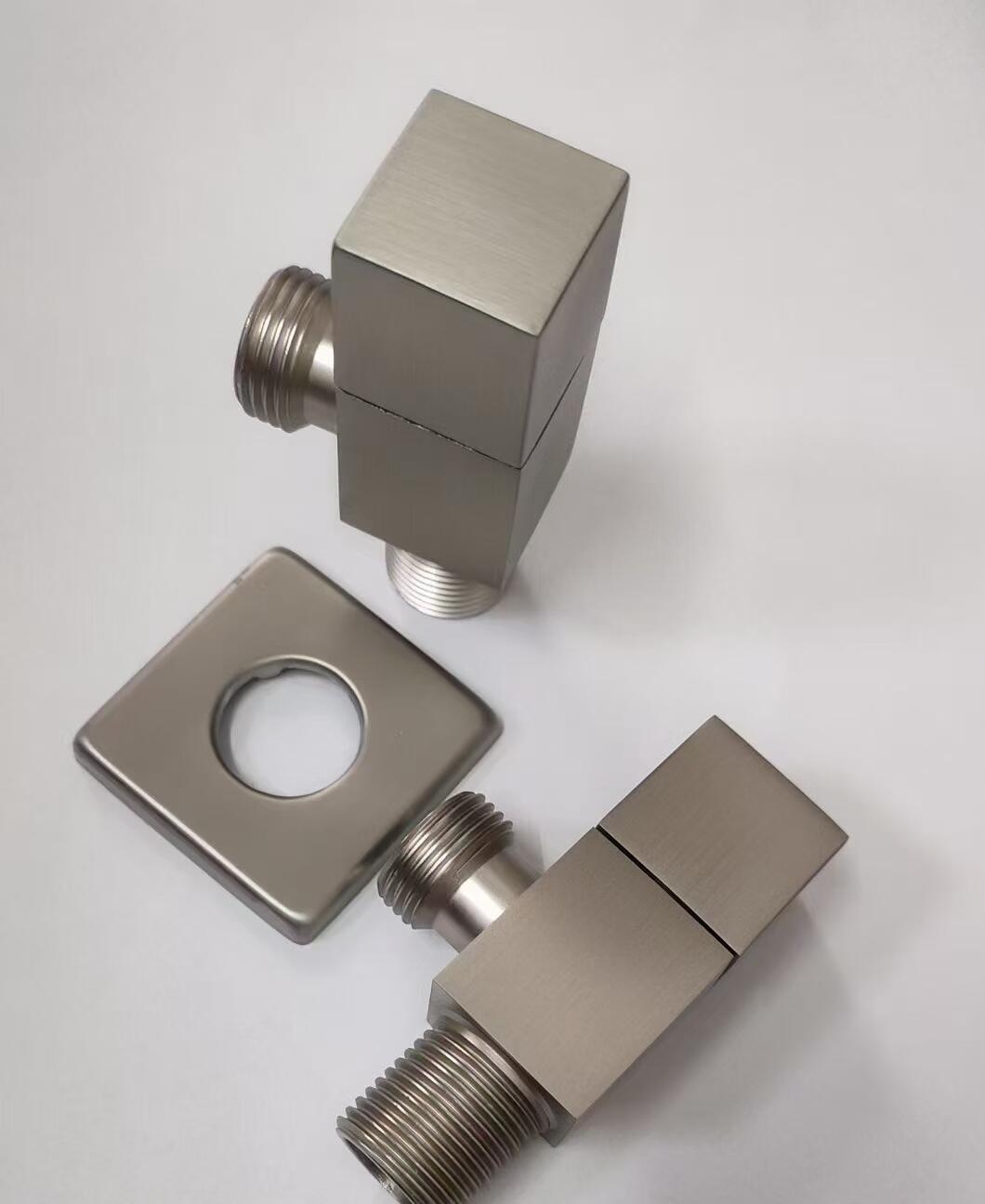
Hydraulic Valve Bodies
High-phosphorus electroless nickel on stainless steel valve bodies. 75 μm deposit, 1000-hour NSS tested, dimensional tolerance ±2 μm maintained throughout.

CNC Precision Drive Shafts
Bright electrolytic nickel on alloy steel shafts as undercoat before hard chrome. Sulfamate bath for low internal stress, 50 μm deposit, post-plate ground to h6.

Surgical Instrument Handles
Mid-phosphorus EN on 17-4 PH stainless surgical tool bodies. Autoclave-compatible, ISO 10993-compatible process, corrosion-resistant for sterile environments.
Nickel plating is specified in demanding engineering applications where hardness, wear resistance, and corrosion protection are critical.
Aerospace
Turbine components, landing gear parts, and structural elements requiring high hardness in extreme environments.
Medical Devices
Surgical instruments, implant tooling, and diagnostic equipment requiring biocompatible, corrosion-resistant surfaces.
Oil & Gas
Downhole tools, valve components, and pump parts requiring wear resistance in aggressive chemical environments.
Electronics
PCB connectors, semiconductor packaging, and EMI shielding components requiring uniform, solderable nickel layers.
Automotive
Engine components, fuel system parts, and precision valves requiring dimensional stability and wear resistance.
Mold & Die
Injection molds, stamping dies, and forming tools benefiting from nickel's hardness and excellent corrosion protection.
Perfect Conformity on Complex Parts
Electroless nickel deposits uniformly on threads, blind holes, undercuts, and internal geometries impossible to reach by line-of-sight processes.
Extreme Hardness Options
Heat-treated high-phosphorus deposits reach 900–1000 HV, approaching hard chrome performance with better RoHS compliance.
Multiple Substrate Compatibility
Proven adhesion on steel, aluminum, copper alloys, titanium, stainless steel, and exotic alloys with tailored pre-treatment protocols.
Complete Quality Documentation
Full batch traceability with XRF reports, hardness data, H.E. relief records, and salt spray test certificates on every order.
Everything you need to know before ordering nickel plating. Can't find your answer? Contact our team →