
Product Category
Hollow ID/OD 40% · IT5 Brg · Cable Thru-Bore · 6-DOF
RR / 001 — 008
Hollow Inertia-Optimised
Robot Rotation Shafts
Precision CNC machined robot joint shafts for 6-DOF industrial and collaborative robots — lightweight hollow designs in Al 7075 and Ti Grade 5, integrated harmonic / cycloidal / planetary reducer flanges, bearing seats IT5, cable thru-bore for clean routing through every joint.
IT5
Brg Seat / Flange
40%
Hollow ID / OD
−40%
Mass vs Solid
PART DWG · RR-000 ROBOT JOINT SHAFT · Al 7075-T6 HA
ISO 9001 · IT5 GROUND · CABLE THRU-BORE
Hollow · −40% Mass
Harmonic Flange
6-DOF · Cobot · SCARA · Delta · Surgical · Drone
Robot Types
Al 7075 · Ti 5 · 42CrMo4 · 20CrMnTi · SUS316L
Materials
48hr Quote · 5-Day Proto
Service
IT5
Bearing Seat / Flange
robot joint standard
robot joint standard
40%
Hollow ID / OD
cable thru-bore design
cable thru-bore design
−40%
Mass Reduction
vs solid shaft
vs solid shaft
5 Days
Fastest Delivery
prototype shafts
prototype shafts
Our Work
Request Similar Part →
Robot Rotation Shafts We Have Made
Precision CNC machined robot rotation shafts for automotive, robotics, aerospace, medical, and industrial applications.
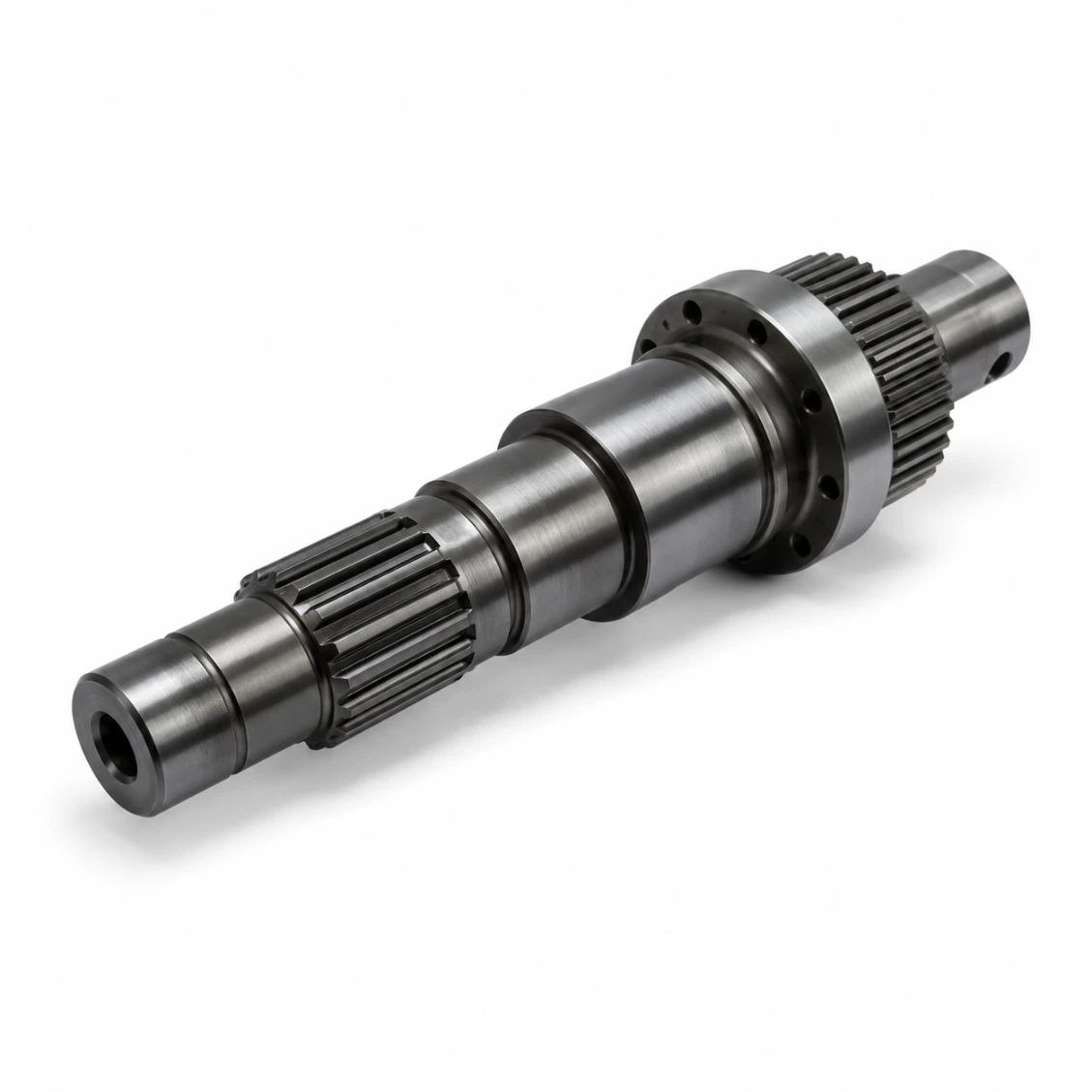 42CrMo4 · Industrial
Robot Rotation Shaft — Industrial 6-Axis
42CrMo4 · Hardened · 200 pcs
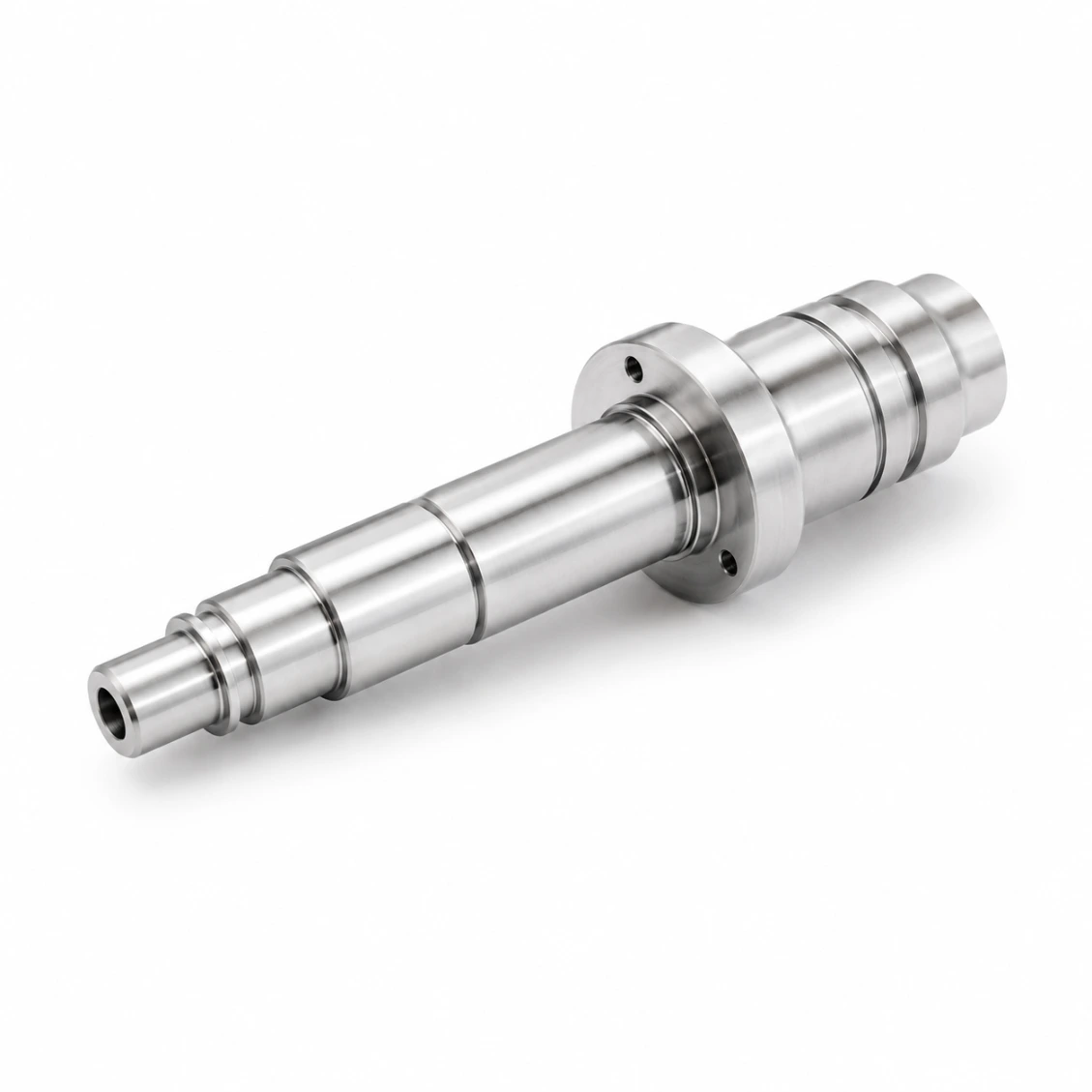 SUS316L · Surgical
Robot Rotation Shaft — Surgical Robot
SUS316L · Passivated · 50 pcs
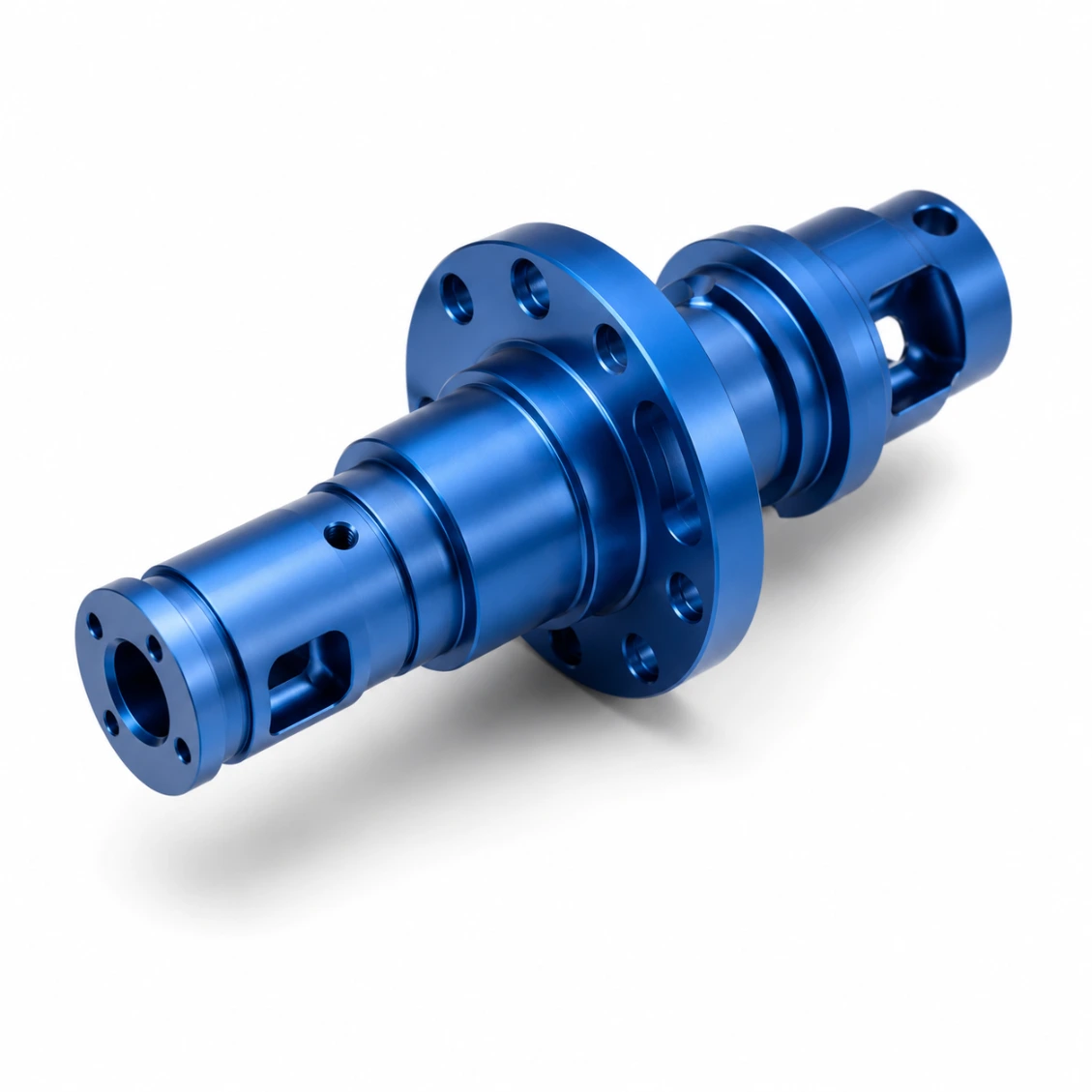 Al 7075 · Cobot
Robot Rotation Shaft — Cobot
Al 7075 HA · Hollow · 80 pcs
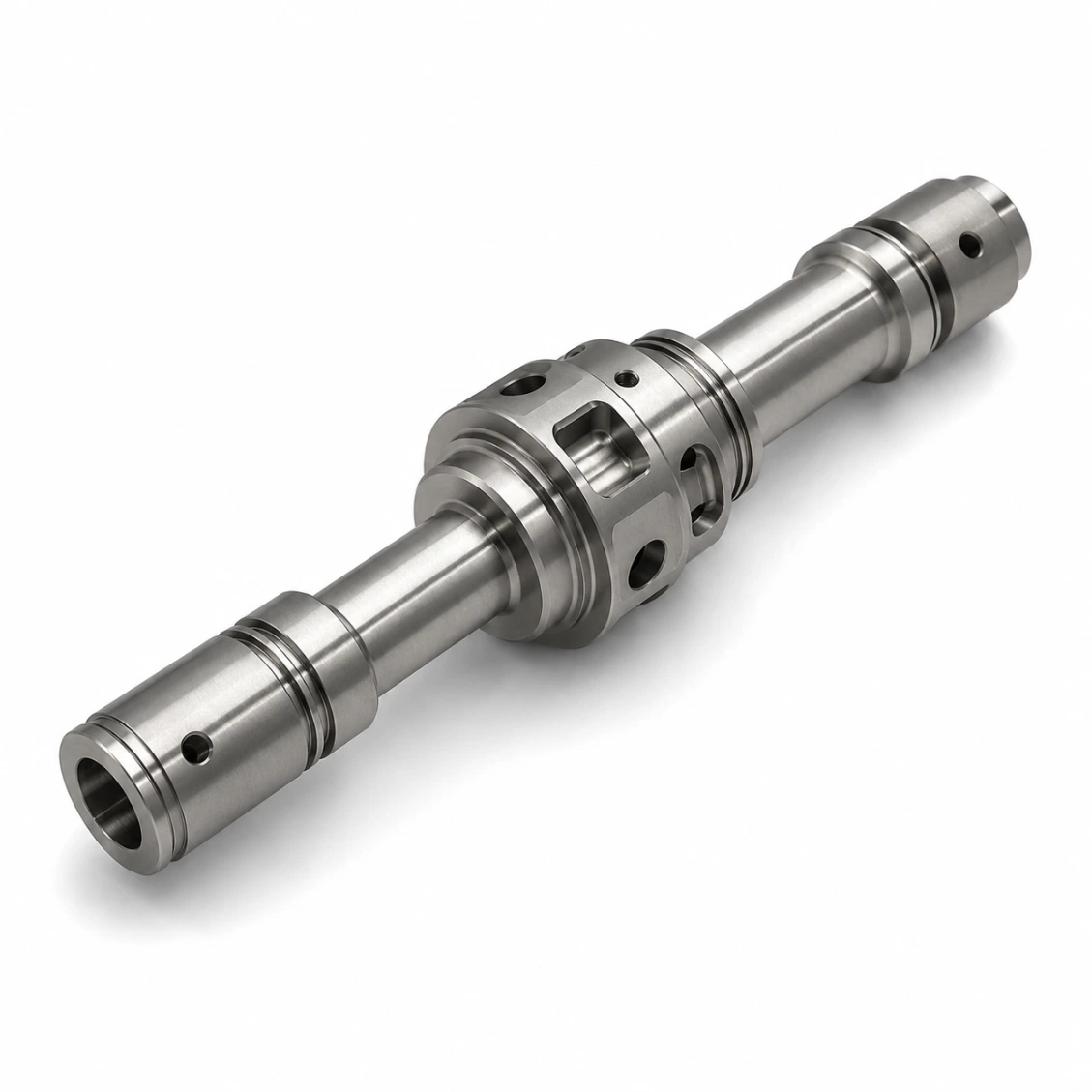 Ti Grade 5 · Aero
Robot Rotation Shaft — Aero Manipulator
Ti Grade 5 · 15 pcs
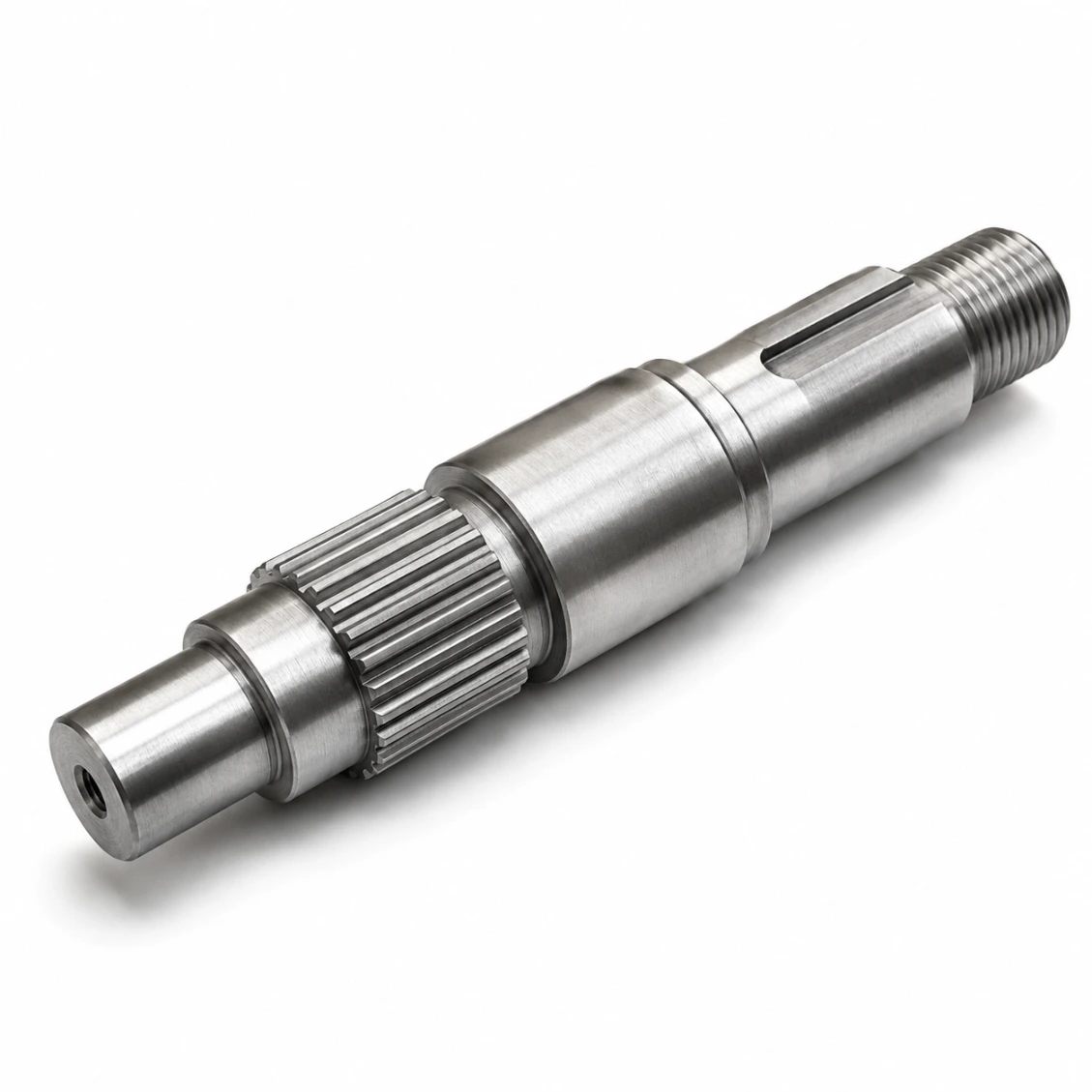 Al 6061 · SCARA
Robot Rotation Shaft — SCARA
Al 6061 · 300 pcs
 Ti 5 · Drone
Robot Rotation Shaft — Drone Gimbal
Ti Grade 5 · Ra 0.2µm · 100 pcs
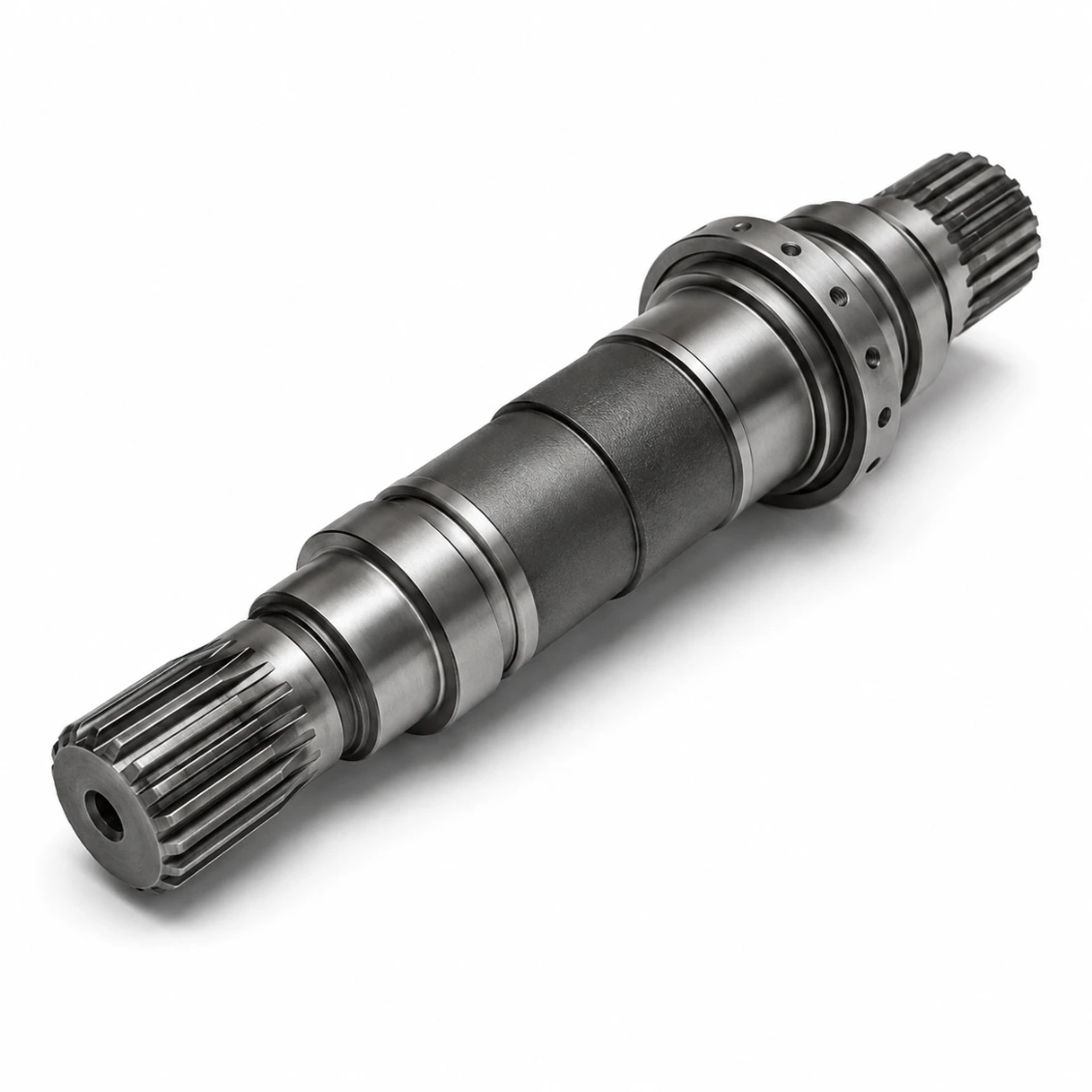 20CrMnTi · Heavy
Robot Rotation Shaft — Harmonic Output
20CrMnTi · Carburized · 150 pcs
 CMM Verified
Robot Rotation Shaft — Full CMM
Every piece CMM measured
How It Works
From Drawing to Finished Part
Upload your drawing — material, tolerances, and surface treatment. Quote in 48 hours.
01
Upload Drawing
STEP, DXF, PDF, or sketch with key dimensions and tolerances.
02
Quote in 48h
Material, process, surface treatment, and firm lead time.
03
CNC Machine & Inspect
Precision turning, grinding, CMM verification, surface treatment.
04
Ship Worldwide
Full dimensional report. DHL / FedEx / sea freight.
Reviews
Trusted Robot Rotation Shafts Manufacturer
★★★★★
"Excellent dimensional consistency across every batch. CMM report matched our incoming inspection perfectly. Lead time as promised."
AK
Alex K.
Mechanical Engineer · Germany
★★★★★
"HXC's DFM review caught two design issues before production. Finished parts were perfect first time. Strongly recommended."
SL
Sophie L.
Design Engineer · France
★★★★★
"Three years sourcing precision shafts from HXC. Quality consistent, lead times reliable, engineers always responsive."
JT
James T.
Senior Engineer · UK
FAQ
Robot Rotation Shafts — Frequently Asked Questions
Technical and sourcing questions answered by our engineers.
A robot rotation shaft is the primary rotating element in a robot axis joint — it transmits the output torque of the reducer (harmonic drive, cycloidal, or planetary) to the next robot link. In a 6-DOF robot, there are 6 rotation shafts, each carrying the weight of all downstream links plus the payload. They must be stiff (resist deflection under load), lightweight (minimise inertia), and precise (bearing seats to IT5 for zero joint backlash).
Rotational inertia scales with radius⁴ — removing material from the centre of a shaft reduces inertia far more efficiently than making the shaft shorter or lighter from the outside. A hollow robot rotation shaft can be 40–60% lighter than a solid shaft with only 15–25% reduction in bending stiffness — a highly favourable trade-off for robot performance. Additionally, the hollow bore routes cables and pneumatic lines through the joint, avoiding external cable bundles that snag and limit joint range.
Most industrial robot axes use one of: Harmonic drive (wave generator) flange bolted directly to the shaft; Cycloidal disc output pin holes mating with the shaft output flange; Spline connection (DIN 5480 or custom) from the reducer output to the shaft bore. The interface type depends on the reducer selected — HXC machines all three interface types and can advise on the preferred interface for your reducer model.
Joint shaft torsional stiffness determines how much the joint deflects under load — a deflection of 0.001° at the first joint causes a positioning error at the robot end-effector that grows with arm reach. For a 1-metre arm, a 0.001° joint deflection causes a 0.017 mm position error at the tool. This is why robot rotation shafts are designed with maximum shaft diameter allowed by the weight budget — even a small increase in shaft diameter significantly increases torsional stiffness.
Prototype (1–5 pcs, hollow turned + ground): 5–8 days. Small batch (10–50 pcs): 8–14 days. Production (100–1,000 pcs): 12–18 days. Hard-anodized Al 7075: add 3–5 days. Titanium: add 3–5 days. Rush production available.
Al 7075-T6 hard-anodized — the most common choice for collaborative robots and lightweight 6-axis arms. Ti Grade 5 — aerospace robots and surgical manipulators requiring high stiffness-to-weight. 42CrMo4 (induction hardened) — industrial 6-axis robots with payload 10+ kg. 20CrMnTi (carburized) — heavy-payload industrial robots and palletisers. SUS316L — surgical / food / pharma robots.
Typical robot rotation shafts use ID / OD = 0.6–0.8. At ID / OD = 0.75 (HXC default for collaborative robots), the shaft is ~44% mass and ~68% torsional stiffness of an equivalent solid shaft — a 32% stiffness loss for 56% mass saved is an excellent trade. The cable thru-bore inside must be sized for the cable bundle (typically Ø 12–20 mm for cobot 6th axis, Ø 25–40 mm for larger industrial robots).
Yes — HXC machines harmonic drive mounting flanges, cycloidal disc pin-hole flanges, spline output features, and direct-bolt flanges to the reducer manufacturer's geometry specification (Harmonic Drive, Nabtesco, Sumitomo, Spinea). Specify the reducer model number on your drawing and we machine the matching interface within 0.005 mm.
The hollow bore is sized to clear the cable bundle plus a small gap for thermal expansion and minor flexing. HXC machines the bore ID with a 1–2° lead-in chamfer at both ends to ease cable installation and prevent insulation damage during assembly. For robots with constant axis rotation, slip rings are used at the joint instead of cables; the shaft bore in that case houses the slip-ring assembly.