info@hxcnc.com Shenzhen, Chine Réponse dans les 24 heures
Usinage CNC en acier à roulement

Acier pour roulements
Usinage CNC

52100 / SUJ2 / GCr15 HRC 60–64 After Q&T Sub-Zero Treatment Precision Grinding ±0.002 mm Bearings · Ball Screws · Wear Parts

CNC machining of 52100, SUJ2, and GCr15 high-carbon chromium bearing steel — the definitive material for rolling contact fatigue applications. Full heat treatment, sub-zero treatment, precision grinding, and superfinishing managed as a single-source process.
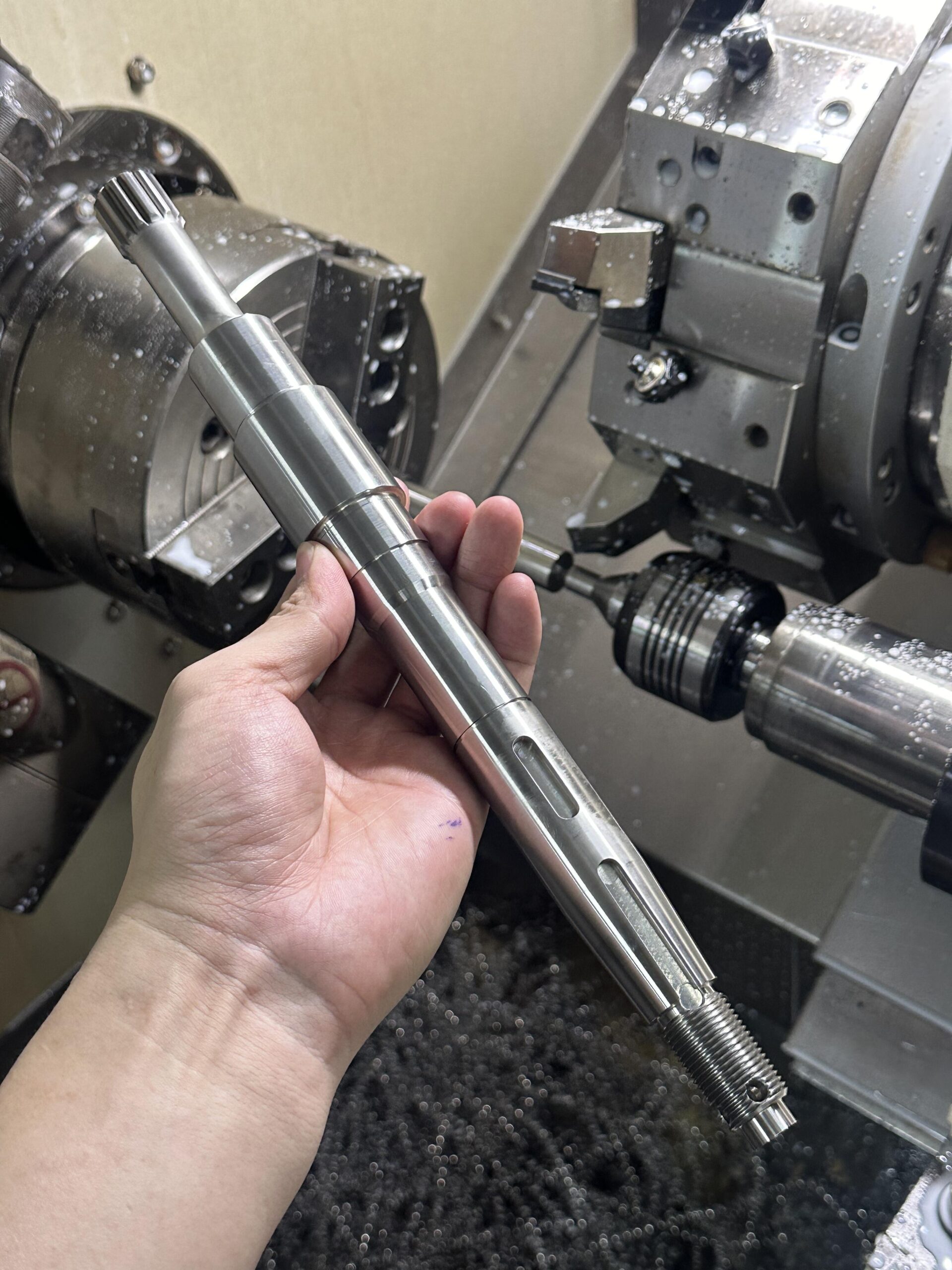
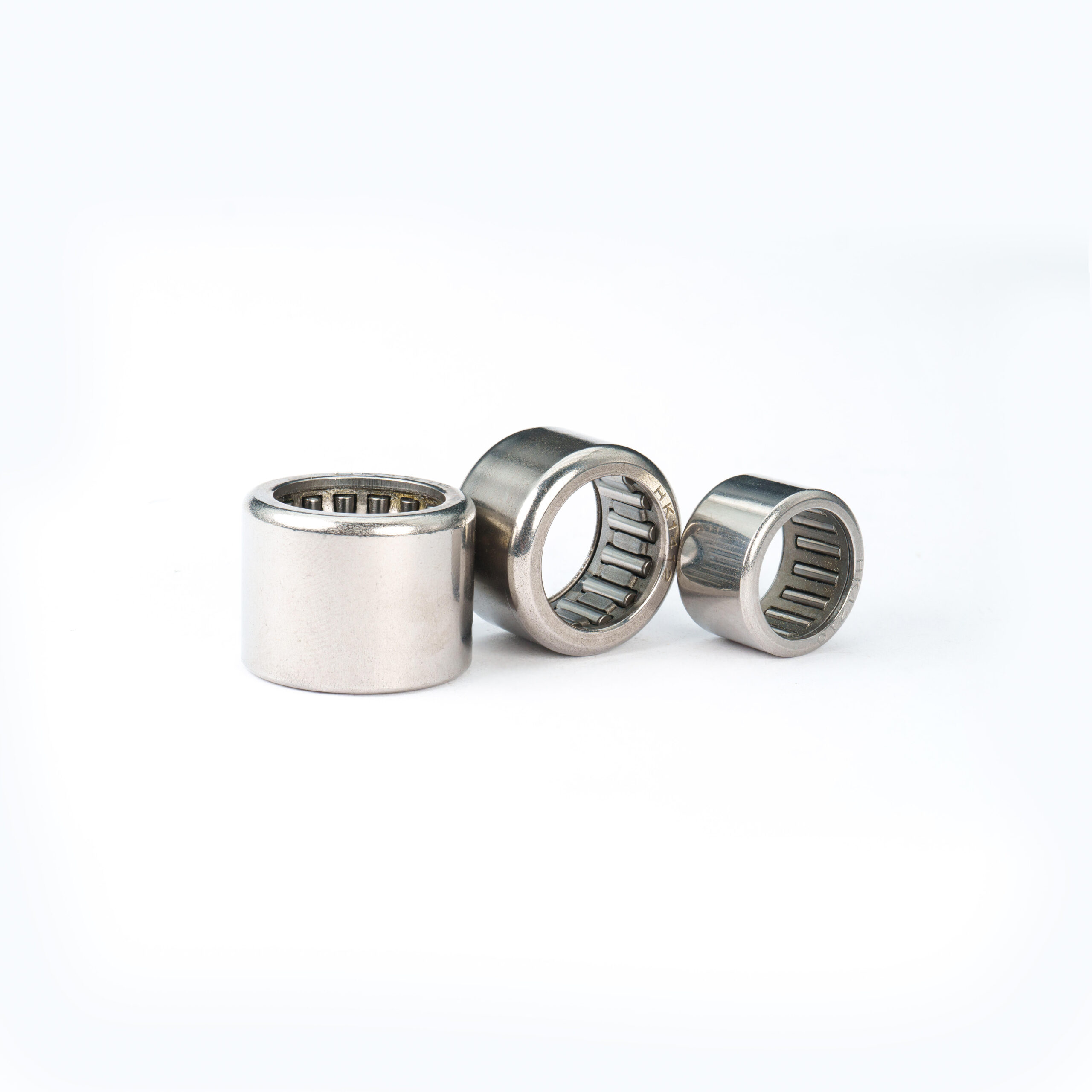
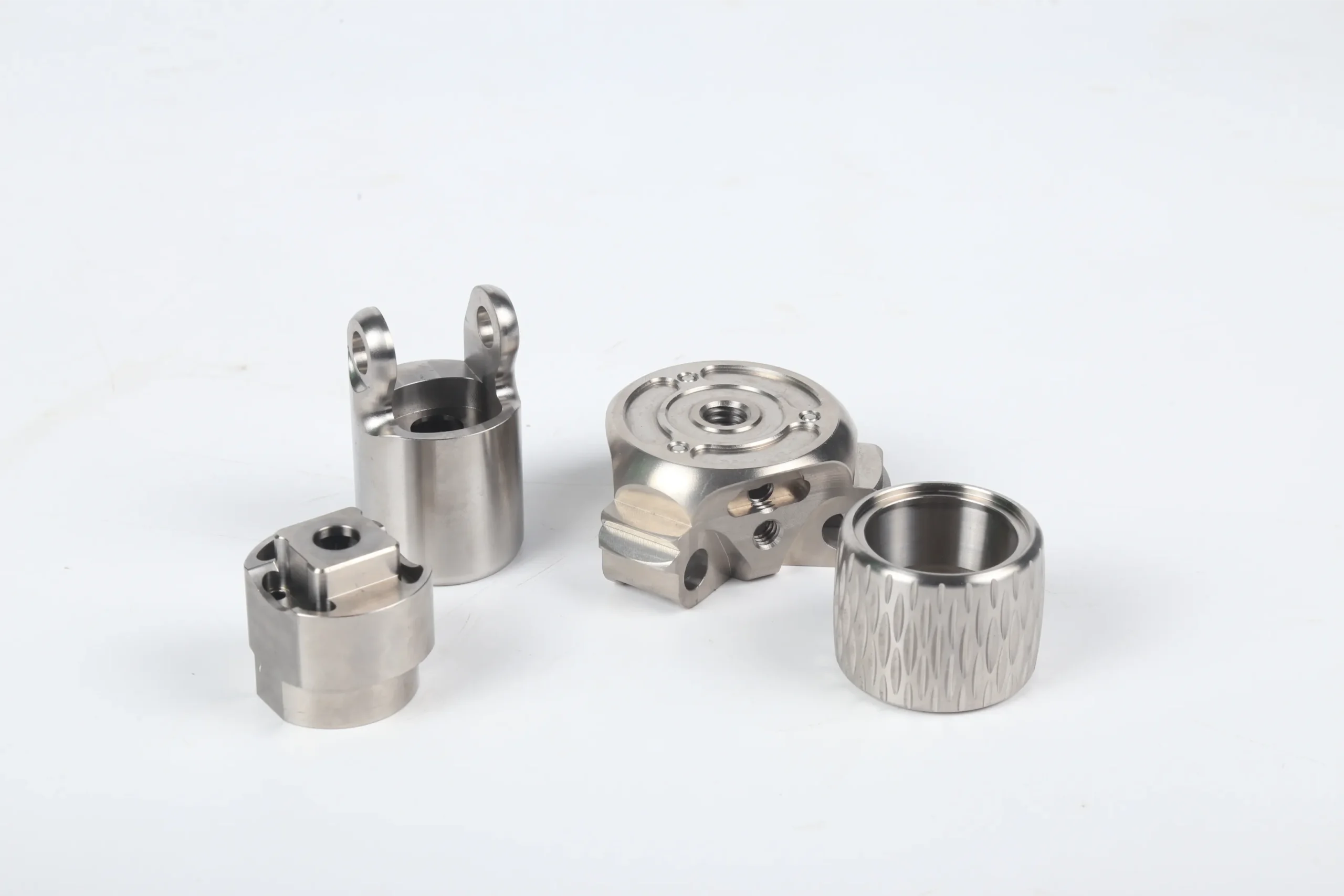
Bearing Steel 52100 GCr15 Precision Ground Parts
Dureté maximale
HRC 60–64
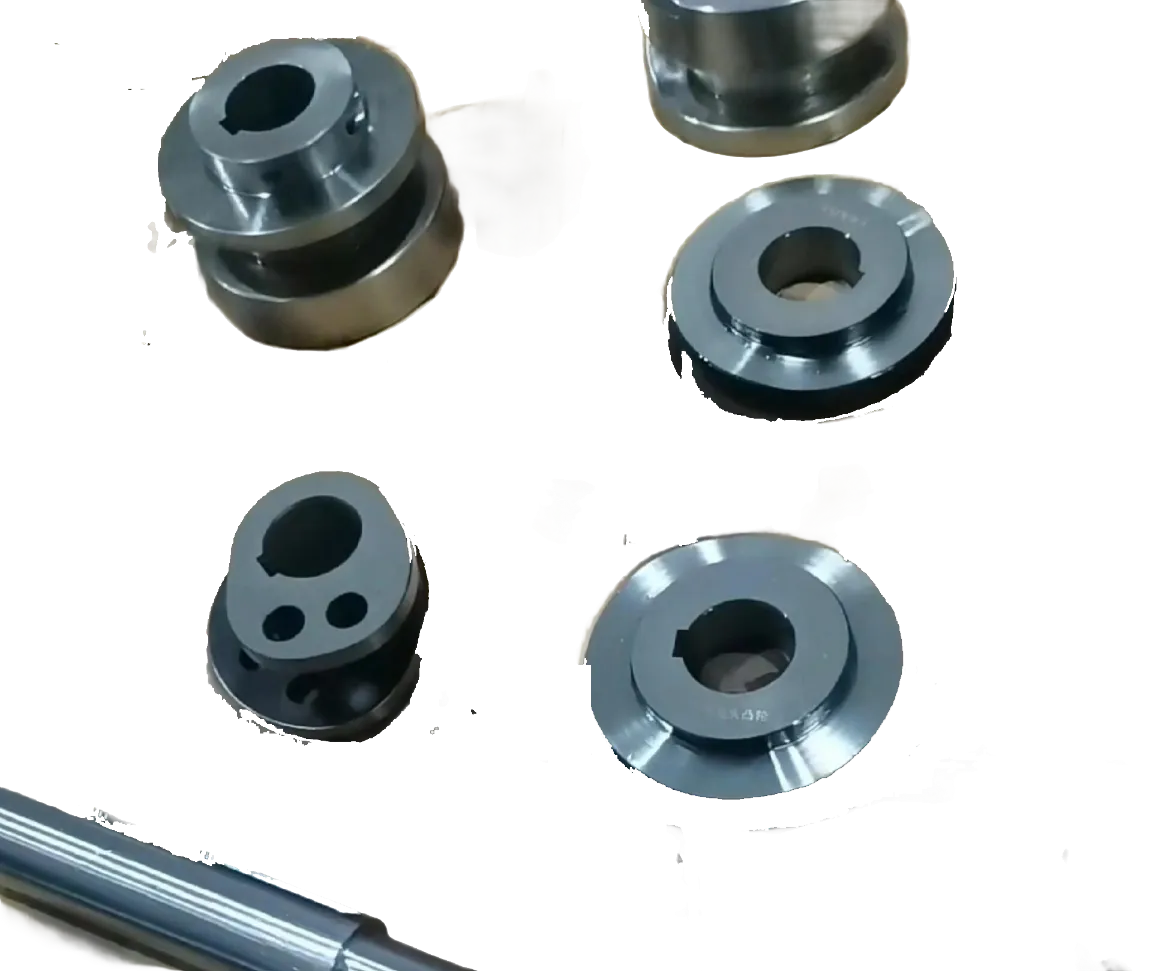
CNC Turning Bearing Steel Annealed
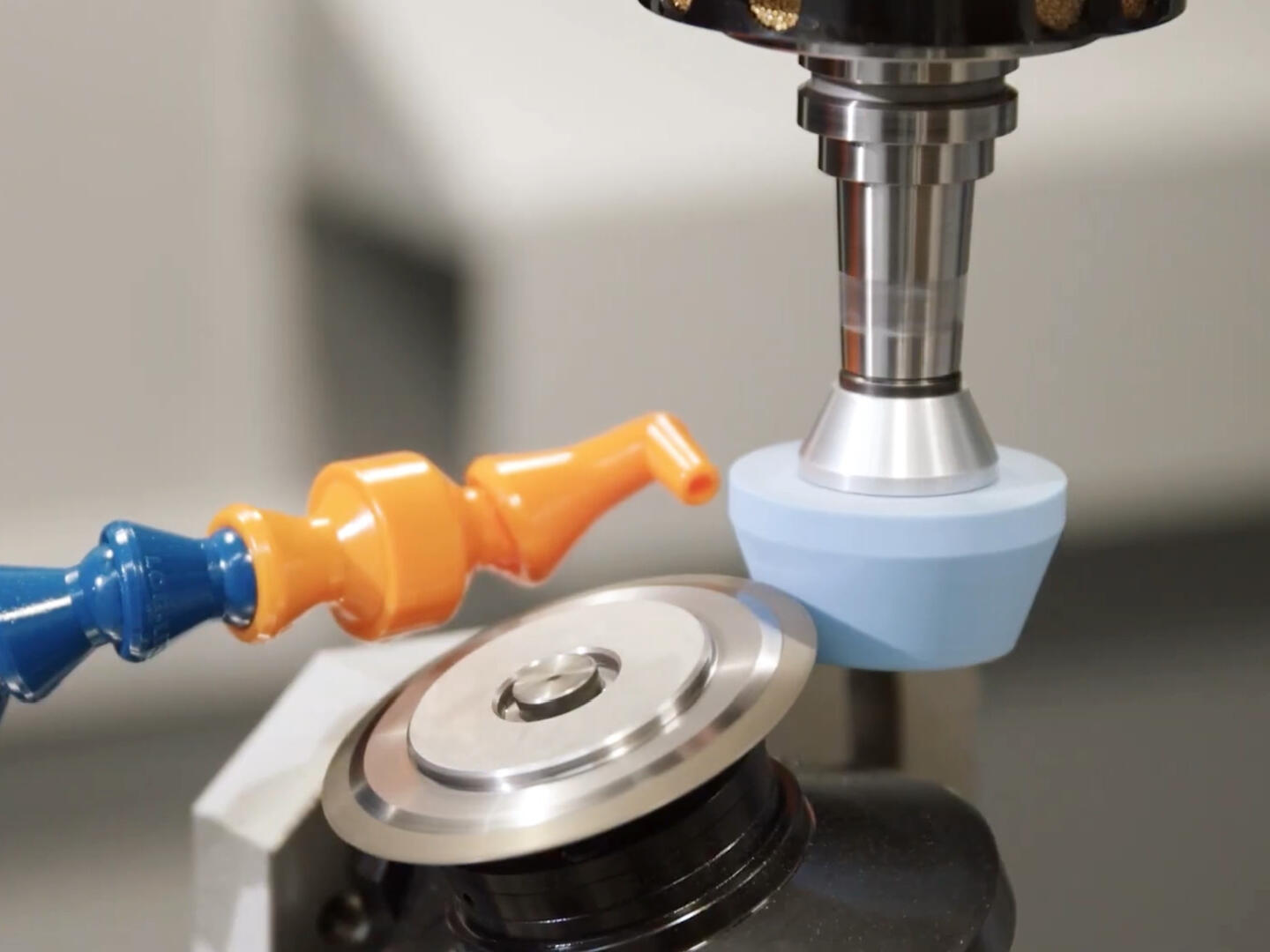
Precision Grinding 52100 Post Heat Treatment
52100
= SUJ2 = GCr15
HRC 60–64
After Q&T + Sub-Zero
±0,002mm
Meulage de précision
24h
Délai de devis
52100 Bearing Steel SUJ2 (JIS Standard) GCr15 (GB Standard) HRC 60–64 After Heat Treatment Sub-Zero Cryogenic Processing Precision OD/ID Grinding Ball Bearings & Races Precision Ball Screws Wear Parts & Rollers 52100 Bearing Steel SUJ2 (JIS Standard) GCr15 (GB Standard) HRC 60–64 After Heat Treatment Sub-Zero Cryogenic Processing Precision OD/ID Grinding Ball Bearings & Races Precision Ball Screws Wear Parts & Rollers
Grades de matériaux

52100 · SUJ2 · GCr15 — One Steel, Three Standards

Global Standard Equivalents
52100, SUJ2, and GCr15 are the same high-carbon chromium bearing steel composition expressed in three national standards — AISI (USA), JIS (Japan), and GB (China). All are interchangeable for precision bearing and wear part applications.
AISI · American Standard
52100
High-Carbon Chromium Bearing Steel
The internationally recognized designation. Specified on drawings from American OEMs and widely used in international aerospace, automotive, and precision engineering supply chains. The reference designation when cross-referencing between standards.
🌐 International / USA
JIS G4805 · Japanese Standard
SUJ2
高炭素クロム軸受鋼鋼管 Grade 2
Specified by Japanese OEMs — Toyota, Honda, NSK, NTN — and all JIS-standard supply chains. Functionally equivalent to 52100 in all properties. When a Japanese customer specifies SUJ2, it is the same material as 52100 / GCr15 and will be sourced and supplied accordingly.
🇯🇵 Japan · JIS Supply Chain
GB/T 18254 · Chinese Standard
GCr15
高碳铬轴承钢 — "Cr15" = 1.5% Cr
The standard designation in mainland China. "G" stands for 滚动轴承钢 (rolling bearing steel), "Cr15" indicates approximately 1.5% chromium content. The most commonly stocked bearing steel in China — if you are sourcing from a Chinese manufacturer, GCr15 is what will be supplied for a 52100 specification.
🇨🇳 China · GB Supply Chain
Chemical Composition (Typical Ranges)
52100
AISI / SAE — Per ASTM A295
Carbone (C)0.98–1.10%
Chrome (Cr)1.30–1.60%
Manganèse (Mn)0.25–0.45%
Silicium (Si)0.15–0.35%
Sulfur (S) max0.015%
Phosphorus (P) max0.025%
SUJ2
JIS G4805 — Japanese Standard
Carbone (C)0.95–1.10%
Chrome (Cr)1.30–1.60%
Manganèse (Mn)0.50% max
Silicium (Si)0.15–0.35%
Sulfur (S) max0.025%
Phosphorus (P) max0.025%
GCr15
GB/T 18254 — Chinese Standard
Carbone (C)0.95–1.05%
Chrome (Cr)1.40–1.65%
Manganèse (Mn)0.25–0.45%
Silicium (Si)0.15–0.35%
Sulfur (S) max0.020%
Phosphorus (P) max0.027%
Note on Cleanliness: High-performance bearing steel is produced under tighter cleanliness standards than general alloy steel — oxygen content, inclusion count, and carbide network distribution are controlled during steelmaking. We source bearing steel with full mill certs including cleanliness verification for precision bearing applications. Standard commercial GCr15/52100 bar is suitable for general wear parts; vacuum-degassed or electroslag remelted (ESR) grades are available on request for highest-fatigue-life bearing applications.
Material Science

Why 52100 / GCr15 for Rolling Contact Applications

52100 Bearing Steel Precision Ground Parts

Bearing steel is not just hard — it is engineered at the microstructural level for a specific failure mode: rolling contact fatigue. The fine, uniform chromium carbide distribution produced by proper heat treatment is what distinguishes bearing steel from general high-carbon or tool steels of similar hardness.

HRC
HRC 60–64 — Highest Standard Achievable in Through-Hardened Steel
The 1.0% carbon + 1.5% chromium composition produces maximum martensite hardness after quench — harder than 440C stainless and comparable to high-speed steel, with superior uniformity through the cross-section.
Cr
Chromium Carbides — Fine, Uniform Distribution
Chromium promotes a fine, uniformly distributed carbide network after proper heat treatment. These carbides resist deformation under hertzian contact stress — the repeated subsurface stress pattern in rolling bearings that causes fatigue spalling in softer or less uniform materials.
Rolling Contact Fatigue Life — Purpose-Engineered
52100 was specifically developed (and has been refined for over 100 years) to maximize L10 bearing fatigue life — the number of cycles to first fatigue failure. No other common steel matches its rolling contact fatigue performance per unit cost.
Ra
Excellent Polishability for Bearing Surfaces
The fine carbide microstructure of 52100 accepts superfinishing to Ra 0.05–0.1 μm — essential for bearing races and ball screw surfaces where surface roughness directly controls contact stress concentration and fatigue life.
Heat Treatment Process

From Annealed Bar to HRC 62 Precision Ground Part

Bearing steel heat treatment is more controlled than general alloy steel — austenitizing temperature window is narrow, sub-zero treatment is routinely required, and tempering must be low enough to preserve maximum hardness while reducing brittleness.

🔩
Rough Machine
Annealed — ~HRC 20
CNC turning and milling with 0.2–0.5 mm grinding stock left on all critical surfaces. Annealed spheroidized condition for cleanest chip formation.
🔥
Austenitize
820–860°C (52100)
Narrow temperature window — lower than alloy steels. Dissolves carbon into austenite without excessive carbide coarsening. Atmosphere-controlled furnace prevents decarburization.
Quench + Sub-Zero
Oil → −75°C to −196°C
Oil quench to room temperature, then immediately to sub-zero. Converts retained austenite to martensite — critical for dimensional stability and maximum hardness. Sub-zero is routinely specified, not optional, for precision bearing parts.
🌡
Low Temper
150–180°C
Low tempering temperature preserves maximum hardness (HRC 60–64) while reducing brittleness. Higher tempering temperatures sacrifice hardness for toughness — specified only when application demands it.
Precision Grind
±0.002–0.005 mm
OD/ID cylindrical grinding recovers final tolerance after heat treatment distortion. Superfinishing to Ra 0.05–0.1 μm on bearing contact surfaces as required.
Notes de usinage

Machining 52100 / GCr15 — Considérations clés

Challenges with Bearing Steel
!
High carbide content — abrasive on cutting toolsThe chromium carbides in 52100 are significantly harder than the steel matrix. Cutting tools wear faster than on equivalent-hardness plain steel — tool change intervals must be planned to avoid surface degradation late in the insert life.
!
Decarburization risk during heat treatmentHigh carbon content makes 52100 susceptible to surface carbon loss (decarburization) during austenitizing. Atmosphere-controlled furnaces are mandatory — air furnaces will produce a soft surface layer that compromises hardness and fatigue life.
!
Narrow austenitizing temperature window52100 must be austenitized within a narrow range (820–860°C). Too low = incomplete carbide dissolution and low hardness. Too high = excessive carbide coarsening, reduced fatigue life, and retained austenite.
!
Sub-zero treatment timing is criticalSub-zero treatment must be performed immediately after quench — before any retained austenite stabilizes. Delayed sub-zero treatment is less effective. We manage the timing as part of the heat treatment sequence.
How We Manage These Challenges
Grade-specific tooling — coated carbide with planned intervalsPVD-coated carbide inserts with positive rake angles, conservative cutting speeds, and planned tool change intervals prevent late-insert-life degradation from affecting final surfaces.
Atmosphere-controlled heat treatment onlyAll 52100/GCr15 heat treatment is performed in controlled-atmosphere or vacuum furnaces — decarburization is eliminated, not inspected for after the fact.
Austenitizing temperature verified, not assumedFurnace temperature calibration records and load thermocouple data retained for each heat treatment batch — part of the quality record delivered with the order.
Sub-zero treatment sequenced immediately post-quenchOur heat treatment coordination ensures sub-zero processing happens within the required window — not after the parts sit overnight or travel between facilities.
Capacité de fabrication

Comment nous usinons Bearing Steel Parts
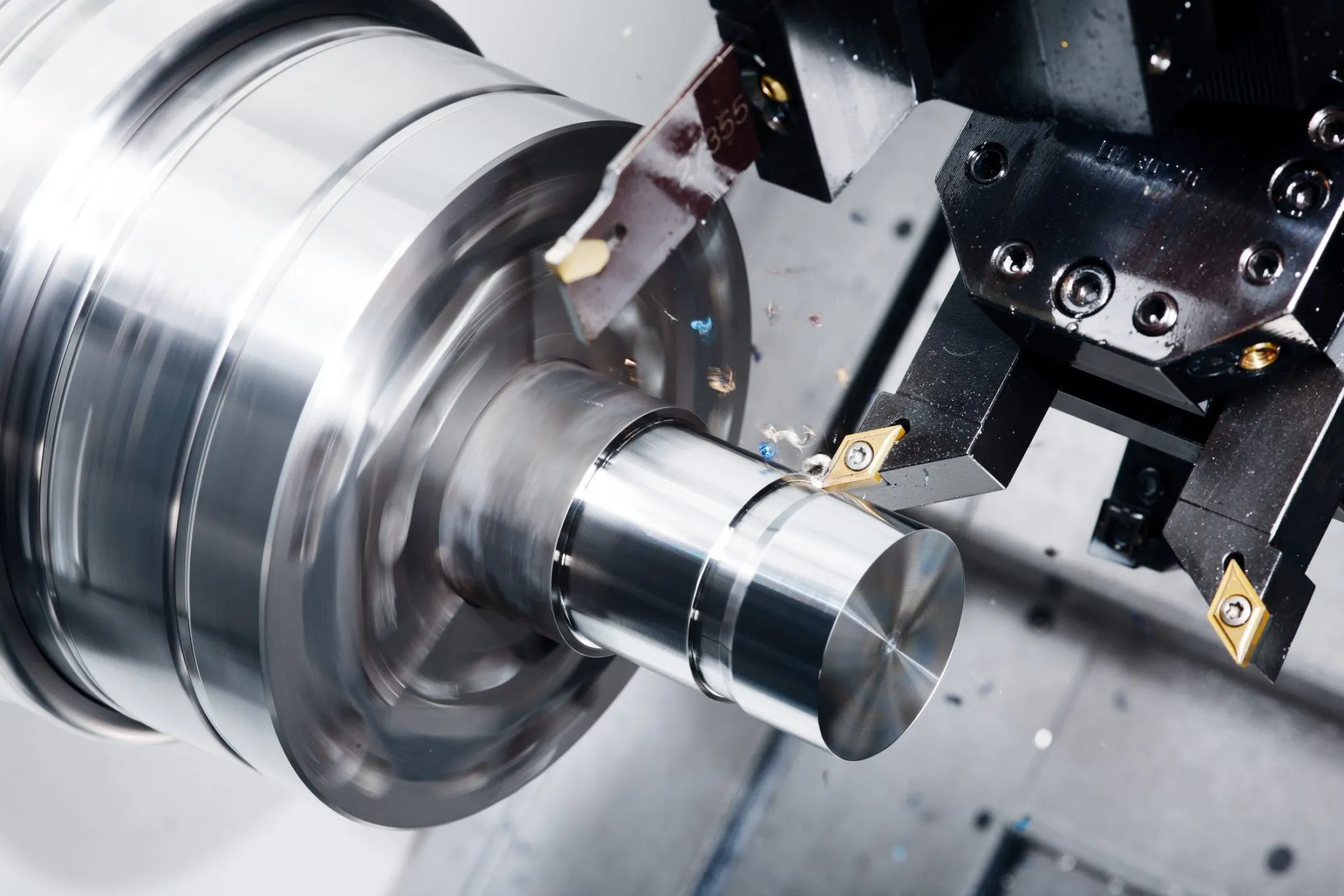
CNC Turning 52100 GCr15 Annealed
PROCESSUS / 01
CNC Turning (Annealed)
Rough and semi-finish turning of 52100/GCr15/SUJ2 in spheroidized-annealed condition. External and internal profiles machined with calculated grinding allowance (0.2–0.5 mm per face) on all bearing contact surfaces before heat treatment.
Annealed ~HRC 20Grinding AllowanceRaces & Races
Precision Cylindrical Grinding 52100
PROCESSUS / 02
Precision Cylindrical Grinding
OD and ID cylindrical grinding after heat treatment to recover final tolerance. Bearing seat diameters held to ±0.002–0.005 mm. Roundness (out-of-roundness) controlled to 0.001–0.002 mm on precision races and journal surfaces.
±0,002 mmOD/ID GrindingSièges de Roulements
Prototype to Production Bearing Steel
PROCESSUS / 03
De la conception à la production
Single-piece prototypes through production runs — the same full heat treatment, sub-zero, and precision grinding sequence runs for all quantities. No minimum order quantity. First-article inspection report available for all orders.
Pas de quantité minimumFull HT SequenceFAIR Available
Choix des matériaux

52100 vs Other High-Hardness Steels

Propriété 52100 / GCr15 440C SS Acier outil D2 4140 (HT) M2 HSS
Dureté maximale HRC 60–64 HRC 58–60 HRC 58–62 HRC 34–42 HRC 62–65
Rolling Contact Fatigue ★★★★★ Best ★★★ Modéré ★★ Pauvre Not rated ★★ Pauvre
Résistance à la corrosion Low (non-SS) Good (SS) Faible Faible Faible
Machinability (annealed) ★★★ Modéré ★★★ Modéré ★★ Difficile ★★★★ Bon ★★ Difficile
Sub-Zero Treatment Required (standard) Recommended Recommended Not typical Sometimes
Application principale Bearings, ball screws, precision rolling contact Bearings (corrosive env.) Dies, punches, cutting tools Shafts, structural parts Cutting tools, drills
Choose When Maximum rolling contact fatigue life, non-corrosive environment Corrosive environment + bearing application Sliding wear / die application Moderate hardness structural parts Cutting tool application
Selection rule: For rolling contact fatigue applications (bearings, ball screws, rolling elements) in non-corrosive environments — 52100/GCr15 is the correct choice. For the same application in marine or chemical environments, specify 440C stainless bearing grade. Never substitute general alloy steel (4140) in rolling contact applications — the fatigue life difference is orders of magnitude.
Galerie d'applications

Typical Bearing Steel Parts Nous produisons

52100 Ball Bearing Inner Outer Race52100 / GCr15
Bearing Inner & Outer Races
Matériau52100 / GCr15 — HRC 60–62 after Q&T
ProcessusCNC Turning → Q&T + Sub-Zero → OD/ID Grinding → Superfinishing
Secteur d'activitéAutomotive · Industrial · Precision Machinery
GCr15 Ball Screw Nut ShaftGCr15 / 52100
Ball Screw Shafts & Nuts
MatériauGCr15 / 52100 — HRC 58–62
ProcessusCNC Turning → Q&T + Sub-Zero → Thread Grinding
Secteur d'activitéCNC Machine Tools · Robotics · Precision Automation
52100 Valve Ball High Pressure52100 / SUJ2
Precision Valve Balls & Seats
Matériau52100 / SUJ2 — HRC 60–64
ProcessusCNC Turning → Q&T → Lapping to Sphericity <0.001 mm
Secteur d'activitéHigh-Pressure Fluid · Hydraulics · Check Valves
52100 Precision Rollers Cam Followers52100 / GCr15
Precision Rollers & Cam Followers
Matériau52100 / GCr15 — HRC 58–62
ProcessusCNC Turning → Q&T + Sub-Zero → Cylindrical Grinding
Secteur d'activitéAutomation · Packaging Machinery · Robotics
GCr15 Precision Punch Pin Die InsertGCr15 / 52100
Punch Pins & Precision Die Inserts
MatériauGCr15 / 52100 — HRC 60–62
ProcessusCNC Turning → Q&T + Sub-Zero → OD Grinding
Secteur d'activitéStamping · Forming · Precision Tooling
Secteurs desservis

Bearing Steel for Precision Demanding Applications

Roulements
52100 / GCr15
Outils de machine
GCr15 / SUJ2
Automobile
SUJ2 / GCr15
Aérospatiale
52100
🔧
Hydrauliques
52100 / GCr15
Robotique
GCr15 / 52100
Études de cas de projets

Bearing Steel Projects Nous avons livré

GCr15 Bearing Outer Race Ground
CAS / 01

GCr15 Bearing Outer Race — Industrial Gearbox Drive Unit

GCr15 / 52100 Tournage CNC Q&T + Sub-Zero −75°C OD/ID Cylindrical Grinding Superfinishing Ra 0.1 μm Qty 600 pcs
Matériau
GCr15 per GB/T 18254, vacuum-degassed bar with cleanliness verification report required by customer
Processus
CNC turning (annealed, 0.35 mm grinding stock per surface) → atmosphere-controlled austenitize 840°C → oil quench → sub-zero −75°C → temper 160°C → OD/ID cylindrical grinding → superfinishing Ra 0.1 μm → CMM + roundness inspection
Défi
OD Ø110 −0/+0.006 mm, ID Ø72 +0/−0.006 mm, roundness ≤0.003 mm on both bore and OD after heat treatment. Vacuum-degassed material required to meet L10 fatigue life specification. Sub-zero timing controlled within 2 hours of quench completion.
Résultat
600-piece delivery across 3 batches. All HRC 61–63. OD/ID within ±0.004 mm of nominal. Roundness ≤0.002 mm across full batch. Superfinish Ra 0.08 μm average. Customer's fatigue test bench validated L10 life exceeding specification by 22%.
Résultat : L10 fatigue life 22% above specification — attributed to consistent sub-zero treatment and vacuum-degassed material quality. Customer now specifies our GCr15 supply for all gearbox bearing races in this product family.
Demande de pièce similaire →
GCr15 Precision Valve Ball High Pressure
CAS / 03

GCr15 Precision Valve Ball — High-Pressure Hydraulic Check Valve · 5,000 pcs

GCr15 / 52100 Tournage CNC Q&T HRC 60–62 Precision Lapping Sphericity ≤0.0008 mm Qty 5,000 pcs
Matériau
GCr15 bar, standard commercial grade, full mill cert with hardness range verification
Processus
CNC turning (near-net sphere, +0.1 mm) → Q&T HRC 60–62 + sub-zero −75°C → rough lap → finish lap (sphericity ≤0.0008 mm, Ra ≤0.05 μm) → 100% roundness inspection
Défi
Sphericity ≤0.0008 mm on Ø12 mm ball at HRC 61 — the lapping sequence must produce a perfect sphere within sub-micron roundness tolerance across 5,000 pieces with consistent process control.
Résultat
5,000 balls delivered in 4 batches. 100% roundness inspected. Average sphericity 0.0005 mm. HRC 60–62 per batch Rockwell test. Zero field seal failures reported over 18 months of high-pressure hydraulic service.
Résultat : Previous supplier's GCr15 balls had sphericity ranging to 0.002 mm — causing intermittent leakage at operating pressure. Our process reduced sphericity by 4× and eliminated the leakage issue entirely. Customer now sole-sources all valve balls in this valve family from us.
Demande de pièce similaire →
From Annealed Bar to Precision Ground Part

Comment nous produisons Bearing Steel Parts

ÉTAPE 01
Bar Stock Sourcing
52100 / SUJ2 / GCr15 bar sourced in spheroidized-annealed condition with mill cert — chemistry, cleanliness grade (standard / VD / ESR) verified per application.
ÉTAPE 02
CNC Rough Machining
Turning, boring, and milling in annealed condition. Controlled carbide tool wear monitoring. Grinding allowance calculated and left on all precision surfaces.
ÉTAPE 03
Heat Treatment + Sub-Zero
Atmosphere-controlled austenitize → oil quench → immediate sub-zero (−75°C or −196°C) → low temper 150–180°C. Hardness HRC 60–64 verified by Rockwell test before proceeding.
ÉTAPE 04
Meulage de précision
OD/ID cylindrical grinding to ±0.002–0.005 mm. Superfinishing to Ra 0.05–0.1 μm on bearing contact surfaces. Roundness verified on all critical bores and journals.
ÉTAPE 05
Contrôle et livraison
CMM dimensional report, Rockwell hardness test records, furnace cycle charts, surface roughness measurement, and mill cert packed with every order.
Post-traitement

Traitements de surface pour Bearing Steel Parts

Toutes finitions →

Bearing steel (52100 / GCr15) is not a stainless steel — it has no inherent corrosion resistance. Surface treatment is required for parts exposed to moisture or process fluids. Key constraint: high hardness (HRC 60+) limits treatment options — hydrogen embrittlement risk must be managed for any treatment applied to hardened steel.

Oxide noir
The most common treatment for hardened bearing steel. Hot caustic blackening provides light corrosion protection with essentially zero dimensional change (<0.001 mm) — compatible with the tight tolerances on ground bearing components. Standard for bearing races, rollers, and valve balls stored or used in oil-lubricated environments.
~0 Dim. ChangeLight ProtectionNo H₂ Embrittlement
Phosphate Coating
Manganese or zinc phosphate produces a micro-porous surface that holds lubricant — improving bearing run-in and reducing galling on initial contact. Used on bearing races and precision rollers. Minimal dimensional change, no hydrogen embrittlement risk.
Lubricant RetentionRun-In Protection52100 Compatible
Nickel sans plâtre
Uniform corrosion protection (20–50 μm) for bearing steel parts used in humid or wet environments. Applied carefully — post-plating bake (190°C, 4 hours) required to prevent hydrogen embrittlement in HRC 60+ steel. Adds measurable dimensional increase — must be accounted for in pre-plate grinding.
H₂ Bake RequiredDim. Increase ~25 μmHumid Service
DLC / PVD Coating
Diamond-Like Carbon (DLC) or TiN/CrN PVD coatings applied on 52100 bearing surfaces — adds Hv 2000+ wear layer, reduces friction coefficient to μ <0.1, and improves surface fatigue life on high-speed or marginal lubrication applications. Applied post-grinding at low temperature — no effect on base steel hardness.
Hv 2000+μ <0.1No Base HRC Loss
HRC 64
Max Hardness (52100)
±0,002mm
Meulage de précision
Ra 0.05μm
Superfinition
24hr
Délai de devis
Pourquoi travailler avec nous

Pourquoi nous choisir pour Bearing Steel Machining

HT
Full Heat Treatment + Sub-Zero — Managed as One Order
Atmosphere-controlled austenitizing, oil quench, sub-zero treatment (−75°C or liquid nitrogen −196°C), and tempering coordinated by us. Hardness HRC 60–64 verified before proceeding to grinding — not assumed.
GR
Precision Grinding to ±0.002 mm — Post-HT Standard
OD and ID cylindrical grinding recovers final tolerance after heat treatment distortion. Roundness and concentricity verified on bearing seats. Superfinishing to Ra 0.05–0.1 μm available for bearing contact surfaces.
MS
All Three Standards: 52100 / SUJ2 / GCr15
We source and machine all three standard designations — supply from Japanese JIS-spec SUJ2 stock for Japanese OEM customers, GCr15 from Chinese mills for mainland China supply chains, or ASTM A295 52100 for international specifications.
QC
Hardness + CMM + Furnace Records — Delivered with Every Order
Rockwell hardness test records (per batch or per part), CMM dimensional report, atmosphere furnace cycle charts, and mill certificate with chemistry verification packed with every delivery. No documentation hunting after the fact.
FAQ

Foire Aux Questions

Common questions about 52100, SUJ2, and GCr15 bearing steel — grade equivalency, heat treatment, sub-zero processing, precision grinding, and surface finishing.

L'acier à roulement AISI 52100 (également connu sous le nom de SUJ2 en Japon et GCr15 en Chine) est un acier à roulement à haute teneur en carbone, allié au chrome, spécialement conçu pour résister à la fatigue de contact en roulement. Sa composition — environ 1,0% de carbone et 1,5% de chrome — produit une distribution fine et uniforme de carbures de chrome après traitement thermique, conférant une dureté exceptionnelle (HRC 60–64), une résistance à l'usure et une durée de vie en fatigue de contact. Ces propriétés en font le matériau standard pour les roulements à billes de précision, les roulements à rouleaux, les cages de roulement, les vis à billes de précision et d'autres composants soumis à des contraintes répétées de contact en roulement.
52100 (AISI), SUJ2 (JIS G4805) et GCr15 (GB/T 18254) sont des désignations standard nationales pour une composition essentiellement identique d'acier à roulement — haute teneur en carbone (environ 0,95–1,10%), chrome (1,30–1,65%), et de petites additions de manganèse et de silicium. Des différences mineures de composition existent entre les normes, mais les trois sont fonctionnellement interchangeables pour les applications de roulements de précision et de pièces d'usure. 52100 est la désignation américaine utilisée internationalement ; SUJ2 est spécifiée par les fabricants japonais et dans les chaînes d'approvisionnement JIS ; GCr15 est la norme chinoise GB et est la qualité la plus couramment stockée en Chine continentale.
L'acier à roulement 52100 atteint une dureté HRC de 60 à 64 après un traitement thermique standard de trempe et revenu — nettement plus dur que l'acier inoxydable 440C (HRC 58 à 60) et comparable aux aciers rapides pour outils. La dureté élevée combinée à une distribution fine de carbures de chrome confère à 52100 une durée de vie exceptionnelle en fatigue de contact de roulement. Le traitement cryogénique (traitement cryogénique à −75°C à −196°C) après la trempe convertit l'austénite résiduelle en martensite, augmentant encore la dureté et améliorant la stabilité dimensionnelle en service.
Le 52100 est généralement usiné dans l'état recuit ou sphéroïdisé-recouvert (environ HRC 20–25) en utilisant un tournage et un fraisage CNC conventionnels. Après l'usinage, les pièces sont traitées thermiquement pour atteindre une dureté HRC 60–64, puis rectifiées de précision sur toutes les surfaces critiques pour récupérer la tolérance finale (±0,002–0,005 mm) après la déformation due au traitement thermique. La machinabilité en état recuit est similaire à celle de l'acier allié à carbone moyen, bien que la forte teneur en carbures puisse entraîner une usure plus rapide des outils que les aciers au carbone simple. Un traitement sous zéro est appliqué systématiquement après la trempe avant la revenez, afin de maximiser la dureté et la stabilité dimensionnelle.
Le traitement sub-zero (également appelé traitement cryogénique) consiste à refroidir l'acier à roulements trempé à des températures comprises entre −75°C et −196°C immédiatement après la trempe, avant la revene. Ce traitement à basse température convertit l'austénite résiduelle — une phase plus douce et métastable qui subsiste après la trempe — en martensite, la phase dure qui confère à l'acier à roulements ses propriétés. Sans traitement sub-zero, l'austénite résiduelle peut se transformer en martensite en service sous contrainte ou lors de variations de température, entraînant une croissance dimensionnelle et une défaillance du roulement. Pour les applications de roulements de précision, le traitement sub-zero est systématiquement spécifié pour garantir la stabilité dimensionnelle et une dureté maximale.
L'acier à roulement 52100 et les aciers outils (D2, H13) atteignent tous deux une dureté élevée, mais sont conçus pour différents types de contraintes. Le 52100 est spécifiquement optimisé pour la fatigue de contact de roulement — la contrainte de contact Hertzienne répétée dans les roulements — grâce à sa microstructure fine et uniformément distribuée de carbure de chrome et à une propreté extrêmement élevée (faible teneur en inclusions). Les aciers outils tels que le D2 sont optimisés pour la résistance à l'usure en contact glissant et en impact. Le 52100 affiche une durée de vie en fatigue plus élevée en contact de roulement mais une ténacité et une résistance aux chocs moindres par rapport au D2. Pour les composants de roulement et les éléments roulants de précision, le 52100/GCr15 est le choix correct ; pour les matrices, poinçons et outils de coupe, le D2 ou le H13 est plus approprié.
Après traitement thermique et rectification cylindrique de précision, nous maintenons des tolérances de ±0,002 à 0,005 mm sur les diamètres critiques des sièges de roulements et les dimensions des alésages. La circularité (déformation hors rond) peut être contrôlée à 0,001–0,002 mm sur les cages de roulements rectifiées de précision. La rugosité de surface Ra 0,2–0,4 μm est standard sur les surfaces de roulements rectifiées ; Ra 0,05–0,1 μm est réalisable avec un superfinissage. Toutes les dimensions critiques sont vérifiées par CMM avant la livraison.
Black oxide is the most common surface treatment for 52100 bearing steel parts — it provides light corrosion protection with essentially zero dimensional change, and is compatible with the hardened surface. Phosphate coating is also used for similar reasons. Hard chrome plating and electroless nickel can be applied for enhanced corrosion protection but must be applied carefully to avoid hydrogen embrittlement in high-hardness steel — post-plate baking at 190°C for 4 hours is required. PVD coatings (TiN, DLC) are used on precision bearing components to further reduce friction and improve wear life without affecting base steel hardness.
Obtenir un devis

Envoyez votre dessin.
Obtenez un devis.

Chaque demande comprend une revue DFM — faisabilité des tolérances, confirmation du matériau et approche du processus avant le début de la production. MOQ 1 pièce.

24hr
Réponse au devis
Quantité Minimum de Commande 1
Prototypes OK
ISO
9001:2015
📐
Revue DFM sur chaque demande
Faisabilité des tolérances, stratégie de fixation et confirmation des matériaux. Retour spécifique et exploitable — pas de refus générique.
🎯
Inspection du premier article — Standard
Rapport FAI sur chaque nouvelle série. Certificats de matériaux et de traitement de surface inclus avec chaque expédition.
🔄
Même processus : Prototype à Production
Le plan de processus de votre prototype s'applique aux lots de production. Pas de requalification lors de la montée en gamme.
Usinage CNC 3 / 4 / 5 axes + tournage
Pièces structurelles complexes, arbres, boîtiers et composants de transmission. Métaux et plastiques d'ingénierie.
ISO 9001:2015 Fraisage 3/4/5 axes Tournage CNC Inspection CMM Livraison mondiale