
- Home
- /
- Surface Treatment
- /
- Mechanical Finishing
- /
- Sandblasting
Sand-
blast-
ing
Controlled media blasting to produce a uniform matte or satin surface — removing every tool mark and feed line to create a visually and functionally consistent substrate for anodising, powder coating, and painting. Three media types, precise masking, all metals.
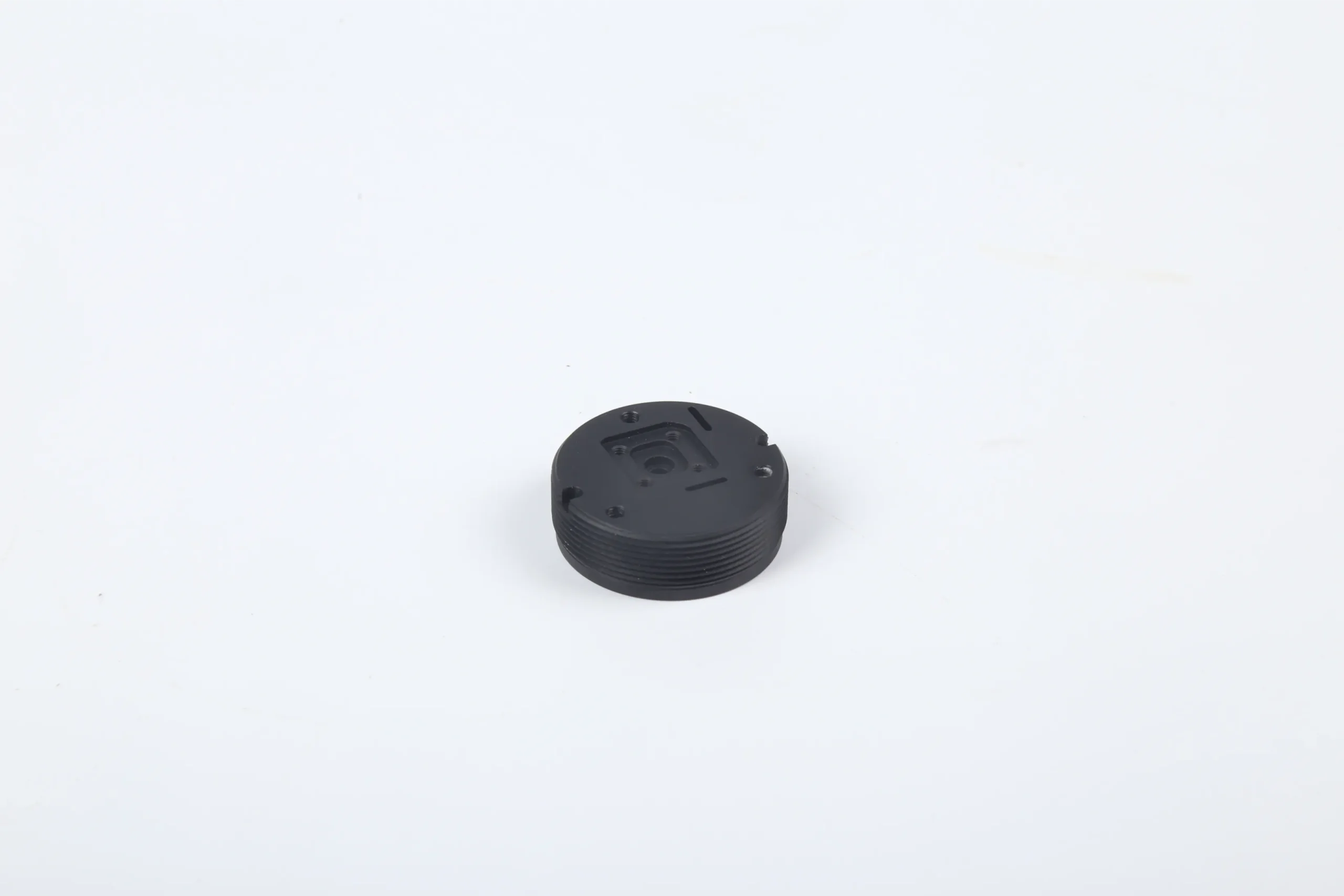
Controlled Media Impact —
Uniform Texture for Consistent Downstream Results
Sandblasting propels abrasive media at controlled velocity against the metal surface — each particle impacts and deforms a microscopic area, replacing random machining marks with a uniform, isotropic texture. The result is a surface that looks and behaves consistently from any direction — the key to even anodise colour uptake and reliable coating adhesion.
The critical difference from polishing: blasting does not make the surface smoother — it makes it uniformly textured. The machined surface has random tool marks at varying depths; the blasted surface has a controlled consistent Ra. This uniform texture is exactly why anodising over glass-bead-blasted aluminium produces consistent colour and why powder coating bonds reliably to blasted steel.
Media selection determines the outcome. Glass bead produces a fine compressive satin (Ra 1.6–2.4 μm) — the standard for pre-anodise aluminium. Steel shot produces an aggressive matte (Ra 3.2–6.3 μm) — the standard for pre-paint steel. Alumina produces a sharp angular anchor profile for thermal spray adhesion. We confirm media type, pressure, and masking at DFM before first production run.
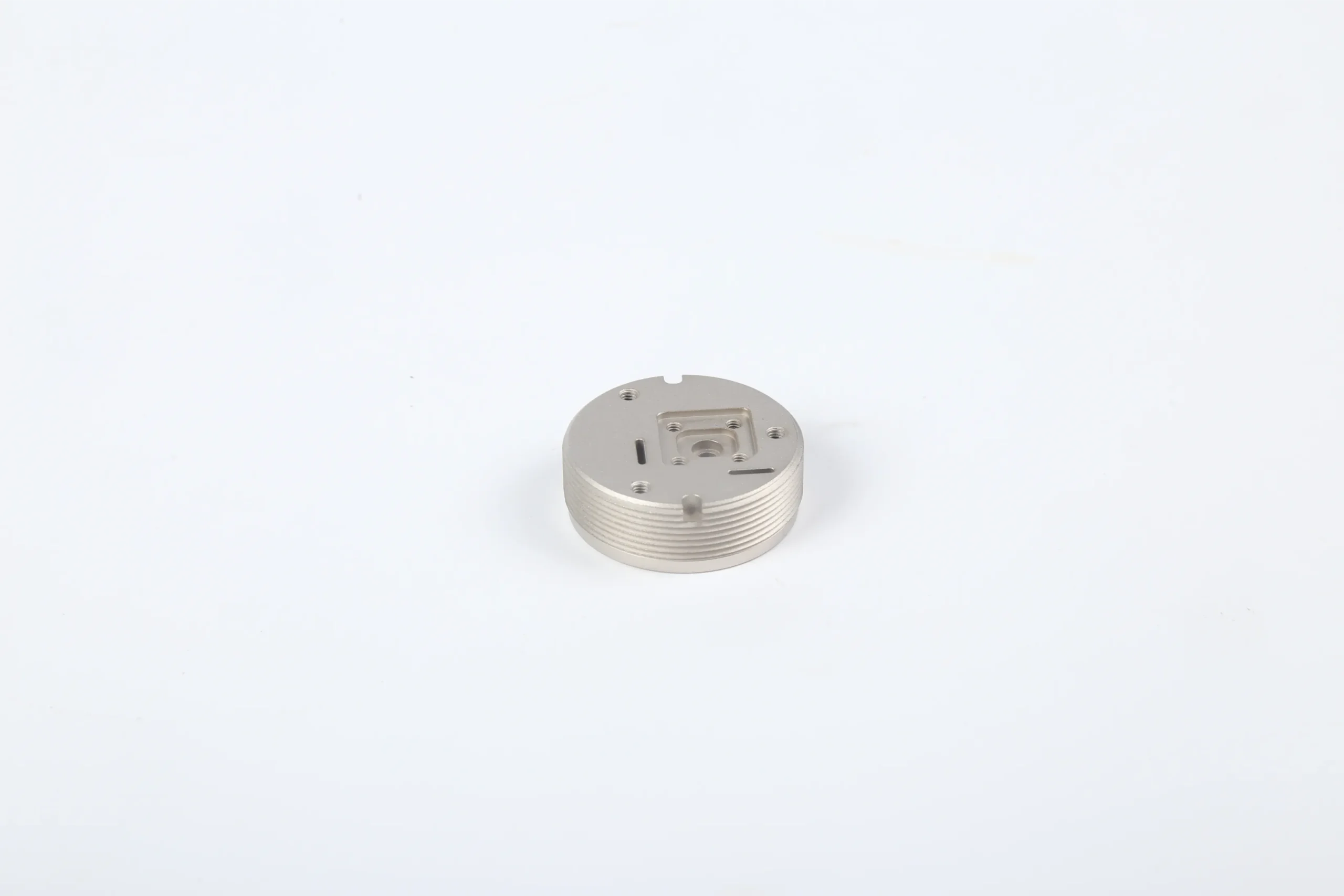
Right Media for Every Substrate —
and Every Downstream Process

Glass Bead — Fine Satin (Pre-Anodise Standard)
Spherical glass beads (SiO₂, 50–300 μm) produce a fine uniform satin texture by compressive peening — each spherical bead impacts and plastically deforms a small surface area without cutting. The result is a consistent Ra 1.6–2.4 μm isotropic surface. Because the texture has no preferred direction, anodising over glass-bead-blasted aluminium produces perfectly even dye uptake across the entire part — including welds, recesses, and complex geometry.
Glass bead blasting also introduces compressive residual stress at the surface (50–100 μm deep) — beneficial for fatigue life of aluminium structural parts. This is why glass bead blasting (shot peening) is sometimes specified as a final operation on aerospace aluminium parts regardless of appearance requirements. Glass bead is the correct pre-treatment for all 6000-series and 7000-series aluminium alloys before Type II anodise — the industry standard for consumer electronics and precision enclosure manufacturing.

Steel Shot/Grit — Aggressive Matte (Pre-Paint / ISO 8501)
Steel shot (spherical) and steel grit (angular) are denser and harder than glass bead — producing a more aggressive surface profile (Ra 3.2–6.3 μm). ISO 8501 standard preparation for industrial protective coatings on steel. Steel grit's angular particles create sharp peaks that provide maximum mechanical interlocking for paint, zinc phosphate primer, and powder coating. Steel shot also eliminates mill scale — the iron oxide layer from hot-rolling that causes premature coating failure if left in place.
ISO 8501 cleanliness grades: Sa 2 (commercial blast): majority of contaminants removed; Sa 2.5 (near-white blast): all mill scale, rust, and oil removed — the standard for most industrial coatings; Sa 3 (white metal blast): completely clean bright metal — required for immersion service and severe corrosion environments. We specify the correct cleanliness level from your coating specification at DFM.
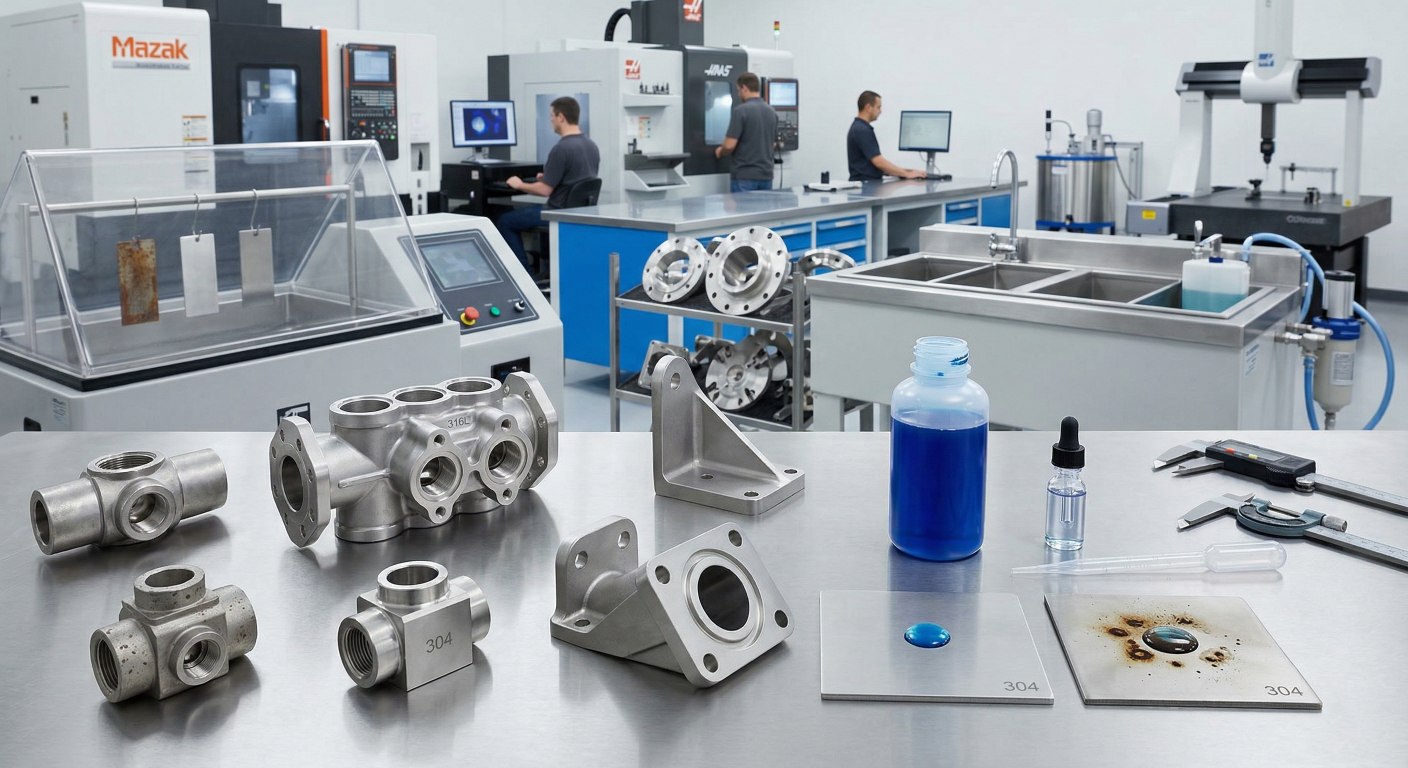
Alumina — Angular Profile (Thermal Spray & Bond Coat Prep)
Aluminium oxide (Al₂O₃) is the hardest common blasting media — angular particles produce a very aggressive, sharp-peaked surface profile (Rz 30–75 μm). Ideal for thermal spray coating adhesion (plasma-sprayed ceramic, HVOF carbide), cold spray processes, and structural adhesive bonding where maximum mechanical interlocking between coating and substrate is required. Self-sharpening: angular particles fracture on impact and expose fresh cutting edges.
We control blast pressure (3–5 bar), stand-off distance (150–250 mm), and nozzle angle to achieve the required anchor profile depth. Parts must be coated within 4 hours of blasting to prevent surface reoxidation from degrading the adhesion preparation. For titanium parts: within 90 minutes — TiO₂ film forms rapidly after blasting. We coordinate blasting and coating scheduling so the window is never missed.
Sandblasting Specifications — What We Set, Monitor, and Document
All parameters confirmed at DFM, documented on route card, and applied consistently to every batch.
| Parameter | Specification | How We Control It | Measurement |
|---|---|---|---|
| Blasting Media | Glass bead / Steel shot / Steel grit / Alumina Per downstream process requirement |
Media type on route card. Dedicated blast cabinets per media type — no cross-contamination of glass bead with steel grit. | Visual comparison to reference blast panel. Ra profilometer on first-off parts with Ra drawing callout. |
| Blast Pressure | 2–4 bar glass bead · 4–8 bar steel grit · 3–5 bar alumina Per media and substrate |
Calibrated regulator with gauge visible to operator. Checked at start of each batch. Recorded on batch sign-off. | First-off surface Ra vs reference. Pressure reading recorded on batch sign-off sheet. |
| Masking | All threads M3+, bores H8 tighter, sealing faces, precision surfaces Per DFM masking specification |
Rubber plugs, threaded caps, wax, blast tape. Checked by supervisor before cabinet entry. | Visual masking check before blasting. Post-blast dimension check on masked features on first-off. |
| ISO Cleanliness (Steel) | Sa 2 / Sa 2.5 / Sa 3 per ISO 8501 Per coating specification |
ISO 8501-1 pictorial reference plaques in blasting area. Operator comparison after each batch. | Visual comparison to ISO 8501-1 pictorial standard. Documented on batch sign-off sheet. |
| Post-Blast Handling | Nitrogen blow-off · visual inspect · sealed bag within 30 min Mandatory for pre-anodise Al |
30-minute hard stop — parts not packed within 30 min are re-blasted. Timer started at cabinet exit. | Timer log on batch sign-off. Sealed poly bag with desiccant for pre-anodise parts. |
| Ra Achieved | Glass bead: 1.6–2.4 μm · Steel shot: 3.2–6.3 μm · Alumina: 2.0–6.3 μm Per media and substrate |
Standard process produces known Ra range. Pressure or media size adjusted for non-standard Ra requirements. | Contact profilometer ISO 4287 on first-off with Ra callout. Sample inspection on production batches. |
Real Sandblasting Projects — Specification, Challenge, Measured Result
Three production sandblasting jobs with actual media types, downstream processes, challenges, and verified outcomes.
Instrument Panels — Glass Bead Pre-Anodise, Consistent Black Colour
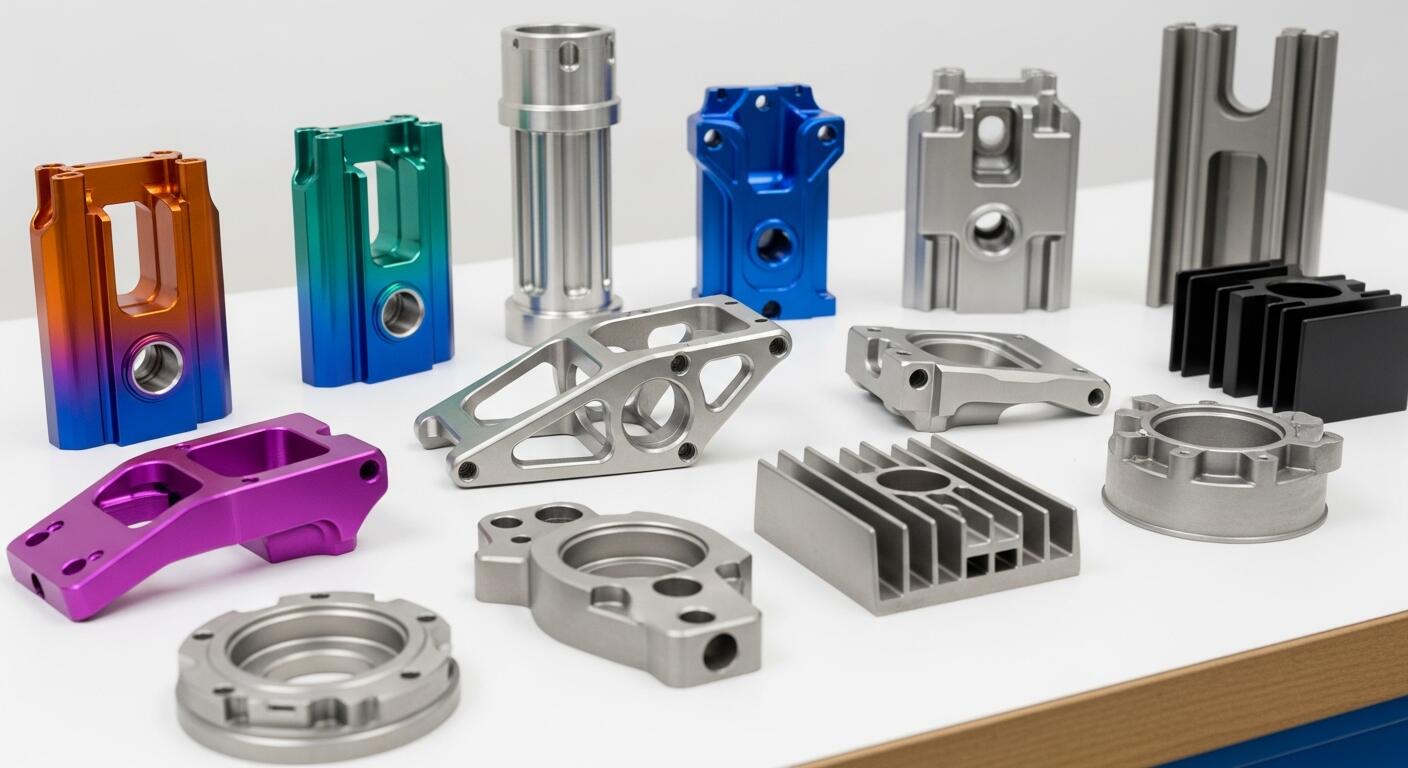
Equipment Brackets — ISO Sa 2.5, Pre-Powder Coat, 100 hr Salt Spray

Ti Valve Bodies — Alumina Blast + Plasma-Sprayed Cr₂O₃, Bond 38–44 MPa
Sandblasting by Material — Media, Pressure, and Key Notes
Sandblasting — Technical Answers
Specific technical questions about specifying sandblasting for CNC machined metal parts.
Glass bead is the only correct media for pre-anodise aluminium. Do not use steel shot or steel grit — steel grit leaves embedded iron particles in the aluminium surface that create dark spots and prevent uniform anodising. Do not use alumina on aluminium for anodise — free alumina particles contaminate the anodise bath and cause spotting.
Glass bead Ra 1.6–2.4 μm is the target. This Ra produces uniform dye uptake in both clear and coloured Type II anodise. For Type III hard anodise, the pre-blast surface matters less — 240 grit belt or glass bead are both acceptable.
Critical handling: after glass bead blasting, aluminium recontaminates with oil from airborne aerosols within hours. We blow off with dry nitrogen and seal in poly bags within 30 minutes. Parts stay sealed until the anodise bath.
Sa 2.5 is the standard minimum for powder coating. Sa 2.5 (near-white blast) removes all mill scale, rust, and contamination — only the faintest shadow discolouration is permitted. Most powder coating system manufacturers require Sa 2.5 for their adhesion warranty.
Sa 3 (white metal blast) is required for marine service, chemical immersion, and tank linings. For standard outdoor and industrial powder coating, Sa 2.5 is sufficient and more economical than Sa 3.
We assess cleanliness against ISO 8501-1 pictorial reference standards after every batch. The cleanliness level is recorded on the batch sign-off and available in quality documentation for your coating inspection records.
Yes — masking is mandatory and documented at DFM. Standard masking covers: all threads M3 and above (rubber plugs or threaded caps), all precision bores H8 and tighter (close-tolerance rubber plugs), and all sealing faces and ground surfaces (blast tape).
The masking specification is on the route card with a diagram. Same masking applied every batch. Supervisor checks masking before the part enters the blast cabinet. After blasting: masking removed and masked features dimensionally checked on first-off.
Within 4 hours in a dry indoor environment (<70% RH). In humid conditions or outdoor exposure: within 1–2 hours. Flash rust forms rapidly on blast-cleaned steel — it is not visible initially but degrades coating adhesion.
For thermal spray: 1–2 hours. For titanium: 90 minutes (TiO₂ film forms faster than steel oxide).
We coordinate blasting and priming scheduling so the blast cabinet output feeds directly to the primer application line within the 4-hour window. If the schedule slips, parts are re-blasted before priming — never primed over flash rust.