
Can Steel Be Anodized? Exploring Process, Benefits and Alternatives
When clients ask us how to give their steel parts a durable, corrosion-resistant finish, one question comes up constantly: Can steel be anodized? It is a fair question. Anodizing is the gold standard for aluminum, offering incredible wear resistance and a sleek look.
However, the short answer is no—at least not in the way you think. While we can easily anodize aluminum, standard steel components do not respond to the same process.
The Science of Anodizing: Why It Works on Aluminum But Fails on Steel
To understand why aluminum vs steel anodizing is such a one-sided matchup, we have to look at the chemistry happening inside the tank.
How Anodizing Works (The Basics)
Anodizing is an electrochemical process that converts a metal surface into a decorative, durable, anodic oxide finish. The metal part is submerged in an acid electrolyte bath, and an electric current is passed through it.
- The metal part acts as the anode (the positive electrode).
- Oxygen ions are released from the electrolyte.
- These ions combine with the metal atoms at the surface to form a highly integrated oxide layer.
When we do this with aluminum, it creates a controlled, uniform, and ultra-hard aluminum oxide layer that bonds perfectly to the base metal, significantly increasing the hardness of the anodized layer.
The Chemical Roadblock for Steel
So, why can’t we just drop carbon steel or stainless steel into that same acid bath? It comes down to how iron reacts with oxygen.
When you attempt to anodize ferrous metals, the electrochemical reaction does not form a protective shield. Instead, it accelerates standard steel corrosion.
- The Flaking Problem: Instead of a tight, microscopic barrier, steel forms a loose, porous iron oxide layer—better known as rust.
- Continuous Oxidation: This rust layer constantly flakes off, exposing fresh metal underneath to further destruction.
- The Acid Bath Trap: A standard acidic anodizing solution will actually dissolve a carbon steel part rather than coating it.
The Exception (The Laboratory Process)
Can steel ever be anodized under any circumstances? Technically, yes, but only as a laboratory exception.
Scientists can achieve magnetite film formation on steel using a highly specialized, hot caustic alkaline bath.
The Reality Check: This is a strict laboratory process requiring extreme temperatures, dangerous chemicals, and precise voltages. It creates a very thin, brittle black magnetite layer (Fe3O4).
Because this process is incredibly unstable, expensive, and unsafe for mass production, it is completely unviable for industrial surface treatments or custom CNC machining finishes. For real-world engineering needs, we must look to scalable commercial alternatives.
Comparing Steel and Aluminum Anodizing
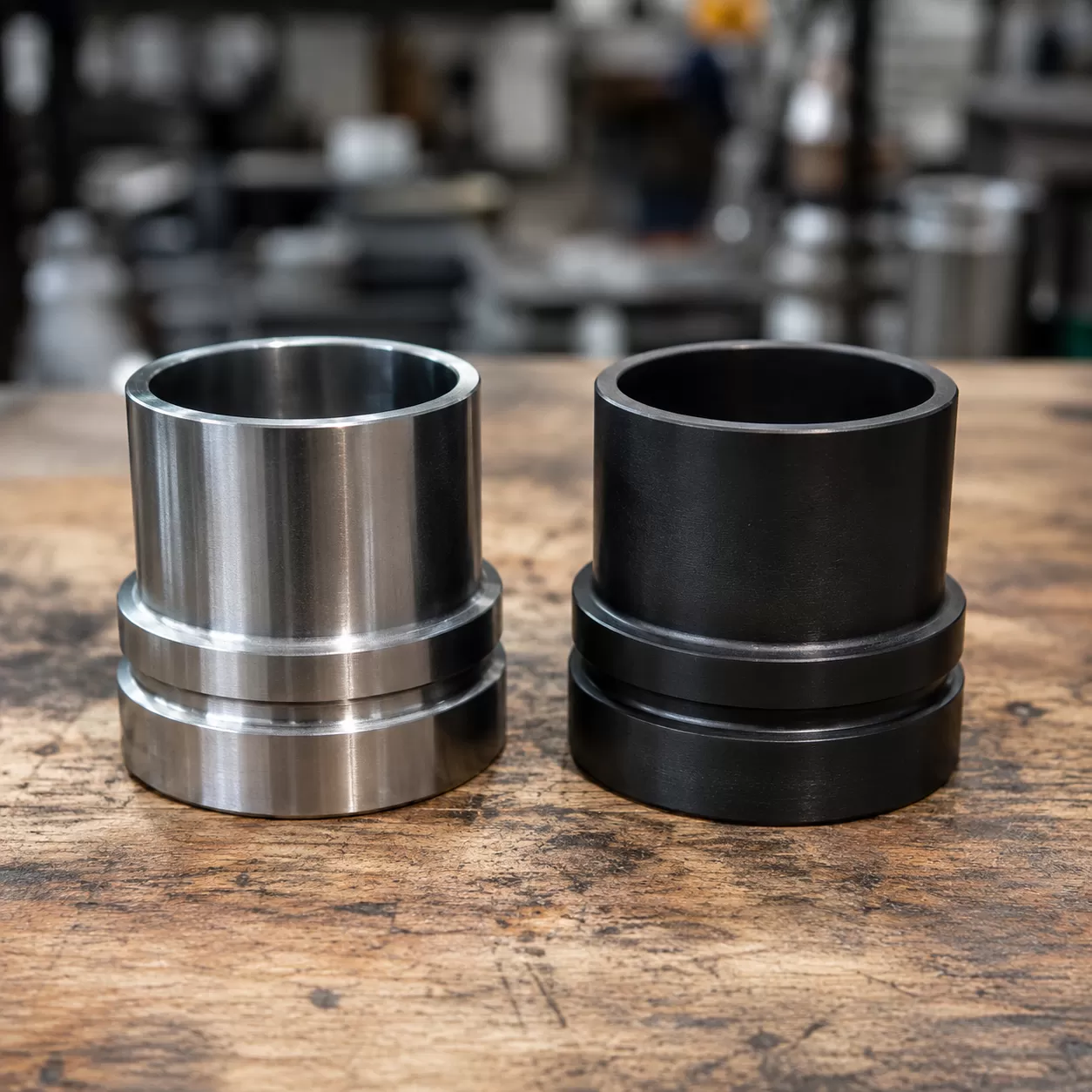
When evaluating aluminum vs steel anodizing, the metallurgical differences dictate entirely different chemical paths. While aluminum thrives in an acidic environment to build a protective barrier, steel requires completely different conditions that make traditional anodizing commercially impractical.
Electrolyte Type (Acidic vs. Alkaline)
The two processes diverge immediately at the chemical bath stage:
- Aluminum Anodizing: Utilizes an acidic electrolyte (typically sulfuric acid). The acid creates a controlled, porous oxide layer on the aluminum surface without dissolving the bulk metal.
- Steel “Anodizing”: Requires a highly specialized, hot caustic alkaline bath. If you place carbon steel into the acidic bath used for aluminum, the acid will aggressively attack and dissolve the ferrous metal rather than coating it.
Primary Coating Component (Aluminum Oxide vs. Magnetite)
The resulting molecular structures offer vastly different protection levels:
| Feature | Aluminum Anodizing | Steel Anodizing (Laboratory) |
|---|---|---|
| Primary Component | Aluminum Oxide (Al2O3) | Magnetite (Fe3O4) |
| Layer Characteristics | Extremely hard, porous, and highly receptive to decorative dyes. | Thin, brittle, and prone to flaking under mechanical stress. |
| Hardness of Anodized Layer | Provides exceptional wear resistance and insulation. | Offers minimal increase in base metal hardness. |
Commercial Viability and Common Applications
Because true electrochemical anodizing of steel yields a brittle magnetite film formation that easily fails, it lacks commercial viability.
Instead, the industry relies on alternative chemical conversion coatings for steel components. For heavy-duty industrial applications, manufacturing rugged parts like ratchet wheels demands more reliable surface treatments to ensure long-term wear resistance and rust prevention. Aluminum anodizing remains the gold standard for aerospace, consumer electronics, and automotive trim, while steel relies on alternative finishes to achieve dependable corrosion protection.
What Happens If You Attempt to Anodize Steel in a Standard Aluminum Line?
Putting steel parts through a standard aluminum anodizing line is a recipe for disaster. Because aluminum vs steel anodizing relies on completely different chemical reactions, forcing ferrous metals into an acidic bath meant for aluminum will only cause damage.
Risk to the Component
The moment carbon steel or stainless steel hits the sulfuric or chromic acid tanks, the acid attacks the iron. Instead of building a controlled, protective layer, the solution rapidly eats away at the metal. This aggressive reaction causes severe pitting, ruins critical dimensional tolerances, and completely destroys the surface finish. If you are running high-value parts, like a complex monolithic machined frame, this mistake will instantly scrap the entire component.
Risk to the Equipment
The damage isn’t limited to your parts; it also threatens the industrial surface treatments infrastructure.
- Bath Contamination: Dissolving iron quickly poisons the expensive chemical bath, rendering the electrolyte solution useless for future aluminum runs.
- Tank and Liner Damage: The uncontrolled chemical reaction can cause localized overheating.
- Electrical Red Flags: Steel draws current differently than aluminum, creating dangerous current spikes that can damage the anodizing rectifiers and electrical systems.
Top 6 Commercial Alternatives to Steel Anodizing

Because standard steel cannot be anodized commercially, industrial manufacturers rely on highly effective alternative surface treatments to achieve corrosion protection, wear resistance, and aesthetic appeal. Depending on the steel alloy and application, several proven methods deliver equivalent or superior results to anodizing.
1. Passivation (For Stainless Steel)
Stainless steel passivation is a critical chemical treatment that removes free iron from the metal surface using a citric or nitric acid bath. This process encourages the natural formation of a thin, protective chromium oxide passive layer, drastically improving steel corrosion protection without altering part dimensions.
2. Black Oxide Coating
This chemical conversion coating utilizes a hot caustic alkaline bath to convert the surface of ferrous metals into magnetite (Fe3O4). Black oxide coating for steel provides a sleek matte black finish, minor corrosion resistance when oiled, and absolute dimensional stability, making it ideal for precision machined parts.
3. Electroplating (Chrome, Zinc, Nickel)
Electroplating steel components involves using an electrical current to deposit a thin layer of another metal—such as chrome, zinc, or nickel—onto the steel substrate. This process significantly enhances the wear resistance of steel finishes and provides robust rust prevention methods for ferrous metals.
4. Physical Vapor Deposition (PVD)
PVD coating for stainless steel and carbon steel vaporizes a solid source material in a vacuum chamber, bonding a high-density ceramic layer to the part. PVD provides extreme surface hardness, a low coefficient of friction, and vibrant decorative colors that outlast traditional finishes.
5. Phosphatizing (Parkerizing)
Commonly known as Parkerizing, this chemical process applies an electrochemical phosphate conversion coating to carbon steel. The resulting porous crystalline structure absorbs oils and rust-inhibiting lubricants exceptionally well, serving as an excellent base for paints or heavy industrial use.
6. Powder Coating
Powder coating applies a free-flowing dry electrostatic powder that is cured under heat to form a tough, skin-like barrier. It offers superior impact resistance, thick environmental shielding, and endless color choices, making it a go-to choice for heavy-duty industrial surface treatments.
| Alternative Treatment | Primary Benefit | Dimensional Change | Common CNC Machining Application |
|---|---|---|---|
| Passivation | Maximizes corrosion resistance | None | Medical, aerospace, and food-grade stainless parts |
| Black Oxide | Anti-galling & matte black aesthetics | Negligible | Fasteners, tooling, and internal machine gears |
| Electroplating | Superior wear & sacrificial protection | Minimal to moderate | Automotive components and decorative hardware |
| PVD Coating | Extreme hardness & scratch resistance | Ultra-thin (microns) | Premium cutting tools and high-end consumer goods |
| Phosphatizing | Excellent oil retention & paint base | Minimal | Military hardware and heavy industrial machinery |
| Powder Coating | Heavy-duty environmental barrier | High (thick layer) | Structural brackets, enclosures, and outdoor frames |
How to Choose the Right Surface Treatment for Your Steel Components
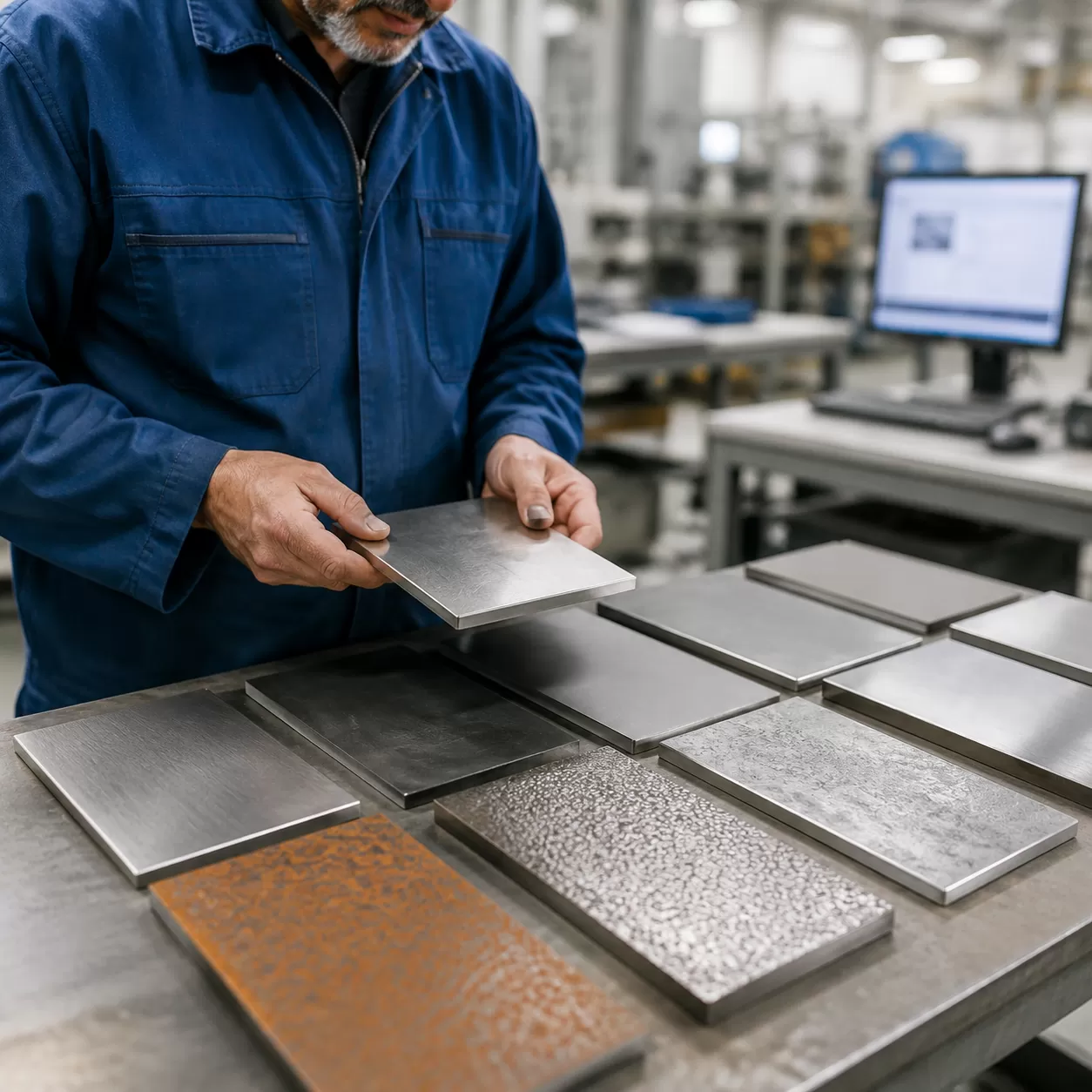
Selecting the ideal industrial surface treatment for your steel parts requires balancing performance, look, and cost. Because you cannot anodize steel like aluminum, you must evaluate how your part will be used to pick the right alternative.
Aesthetics vs. Functionality
First, determine if the part is a visual component or a hidden, hardworking mechanical piece. If cosmetics matter most, options like powder coating offer vibrant colors and sleek finishes. For high-end, modern looks, PVD coating for stainless steel provides premium metallic finishes. If functionality is the main goal, processes like black oxide coating for steel offer a low-profile matte black look while focusing entirely on anti-galling and light corrosion resistance.
Dimensional Tolerances
Precision engineering leaves no room for thick coatings. If your custom CNC machining finishes require tight tolerances, heavy coatings will ruin the fit.
- Zero-Build Coatings: Passivation and black oxide do not change the dimensions of your parts. This is critical for threaded components and high-precision aerospace or automotive assemblies.
- Thick-Build Coatings: Powder coating adds a significant layer (typically 2 to 6 mils), which can interfere with mating stainless steel parts.
Environmental Exposure
The operating environment dictates your steel corrosion protection strategy. For outdoor, marine, or chemical-heavy settings, carbon steel requires robust rust prevention methods for ferrous metals, such as zinc electroplating or heavy powder coating. For medical or food-grade environments, standard stainless steel passivation is the industry benchmark to remove free iron and prevent rust without adding foreign chemical layers.
| Surface Treatment | Dimensional Change | Corrosion Resistance | Primary Benefit |
|---|---|---|---|
| Passivation | None | Moderate (Stainless Only) | Removes surface iron, prevents rust |
| Black Oxide | None | Low to Moderate | Anti-galling, no dimensional change |
| Electroplating (Zinc/Nickel) | Very Minimal | High | Excellent sacrificial rust protection |
| PVD Coating | Microscopic | High | Extreme wear resistance and aesthetics |
| Powder Coating | High (2–6 mils) | Excellent | Maximum barrier protection and color choice |
Why Partner with HXCNC for Superior Steel Surface Finishing?
Precision Manufacturing Meets Finish Excellence
Achieving the perfect finish requires a manufacturing partner who understands both the raw machining process and the final surface chemistry. At HXCNC, we integrate our advanced custom CNC machining finishes directly with our surface treatment workflows. Whether your project demands precise stainless steel passivation or high-durability electroplating steel components, we control the process from the initial cut to the final coating. Our facility ensures that your tight tolerances are maintained, providing a seamless transition from raw metal to a professionally finished product. For specialized applications requiring advanced protective layers, we also offer integrated solutions like our high-vacuum processing seen in our vacuum chamber body manufacturing.
Quality Assurance
Industrial surface treatments demand absolute consistency. A flawed finish leads to premature wear, rust, and part failure in the field. Our quality assurance protocol guarantees that every steel corrosion protection layer—whether it is a chemical conversion coating or a heavy-duty powder coat—adheres perfectly and meets strict US industry standards.
- Layer Thickness Verification: Precise gauging to ensure coatings do not compromise part functionality.
- Adhesion Testing: Rigorous checks to prevent peeling, chipping, or flaking under mechanical stress.
- Corrosion Resistance Benchmarking: Salt spray testing to verify long-term rust prevention methods for ferrous metals.
- Visual Uniformity: Strict inspection for zero cosmetic defects, ensuring your parts look as premium as they perform.
Frequently Asked Questions (FAQs)
Can stainless steel be anodized?
Technically, yes, but it is not the same process used for aluminum. Stainless steel anodization uses an acid bath and electricity to alter the thickness of the naturally occurring chromium oxide layer on the metal’s surface. Instead of creating a thick, highly protective coating, it relies on light interference to produce a wide spectrum of colors. It is primarily used for aesthetic styling or color-coding medical devices rather than heavy-duty industrial protection.
Does black oxide offer the same durability as anodized aluminum?
No, black oxide does not match the durability or hardness of anodized aluminum. Anodizing creates a thick, integrated aluminum oxide layer that ranks just below diamond on the hardness scale, offering exceptional scratch and wear resistance. Black oxide is a micro-thin chemical conversion coating (Fe3O4) that provides mild corrosion protection and minimal dimensional change. It relies heavily on a supplementary oil or wax sealant to prevent rust, making it less suitable for high-friction environments.
What is the cheapest rust-prevention finish for carbon steel parts?
The most cost-effective rust-prevention method for carbon steel parts depends on your final application requirements:
- Phosphatizing (Parkerizing): Excellent budget option for a durable, oil-absorbent base layer on industrial components or internal spline sleeves.
- Black Oxide: The cheapest choice for crisp, dark aesthetics with low-level indoor rust protection.
- Zinc Plating: The standard economic choice for sacrificial outdoor rust protection.