Flux de production
De dessin à Electropolished, Certified Stainless Part
01
Revue DFM
Grade, EP vs passivation, ISO 10993 scope, crevice-free geometry confirmed. 24hr response.
02
Matériau
SS316L / 17-4PH / 440C receipted with mill certificate per heat number. Grade verified.
03
Usinage CNC
Machined to net dimension. Crevice-free geometry maintained for medical/food parts. Manifold passages borescope-deburred.
04
Traitement thermique
17-4PH age-hardening (H900/H1025) or 440C/420 through-hardening where specified. Record generated.
05
Traitement de surface
Electropolish (Ra profilometer measured) or passivation per ASTM A967. Certificate generated. Surface documented.
06
Contrôle et livraison
CMM inspection. Mat cert + EP/passivation cert + Ra record. ISO 10993 docs for medical. Clean-room pack.
Notre Avantage
Pourquoi les ingénieurs spécifient nos Pièces en acier inoxydable
EP
Electropolish Ra ≤0.4μm — Measured, Documented
Every electropolished part Ra-measured by profilometer before delivery. Ra ≤0.4μm documented in surface treatment certificate — not claimed from process control alone. For medical and food parts where surface finish is a regulatory requirement, documentation is not optional.
316L
SS316L Always Specified Where Chloride Exists
We default to SS316L (not SS304) wherever chloride corrosion is a risk — marine, pharmaceutical, chemical, and outdoor applications. The molybdenum addition that differentiates 316L from 304 is specifically there for chloride pitting resistance. We advise on grade selection at DFM review — not just machine what is specified without comment.
EHEDG
Food-Safe Geometry — Crevice-Free, R≥1.5mm
Food and sanitary parts designed with EHEDG/3-A compliant geometry: internal corners R≥1.5mm, no dead legs, full-form threads. SS316L with low sulphur content for best electropolish result. Geometry compliance reviewed at DFM stage — not discovered after machining when correction requires a new part.
440C
440C Post-Grind Passivated — Always
440C and 420 stainless parts passivated immediately after final cylindrical grinding — restoring the passive layer removed by grinding. Most suppliers omit this step. Ground martensitic stainless without post-grind passivation develops visible rust spots within days in humid environments — a defect that appears after delivery and is attributed to material, not omitted passivation.
Foire aux questions
Stainless Steel CNC Parts — Questions fréquentes
Technical questions about stainless steel grades, surface treatments, medical documentation, and valve machining.
SS316L is the default for any environment with chloride present (marine, chemical, pharmaceutical, food). Molybdenum (2–3%) provides far superior chloride pitting resistance vs SS304. SS304 is acceptable for freshwater and mild chemical environments without chloride. For high-strength + corrosion resistance: specify 17-4PH or 15-5PH — 1000–1310 MPa while maintaining ≈SS304 corrosion resistance. For hardness + moderate corrosion resistance: SS440C (HRC 58–60) or SS420 (HRC 48–55).
Electropolishing removes 10–30 μm of material, producing Ra ≤0,4 μm surface finish and a chromium-enriched passive oxide layer with superior corrosion resistance vs passivation alone. Required for: medical device parts (ISO 10993 — surface must resist protein adhesion and sterilisation); food-contact parts (EHEDG/3-A — Ra ≤0.8 μm minimum, electropolish achieves ≤0.4 μm and eliminates micro-crevices); and precision flow bores where consistent flow coefficient between parts is required. We measure Ra by profilometer and document in the surface treatment certificate.
17-4PH (ASTM A564 Grade 630) is a precipitation-hardening stainless steel achieving 1310 MPa UTS in H900 condition — machined in the soft Condition A, then age-hardened at 480°C with only 0.05–0.1% dimensional change. This is far lower distortion than Q&T hardening of alloy steel — bearing seats machined to h6 before age-hardening typically remain within specification after hardening without secondary grinding. Corrosion resistance ≈ SS304. For aerospace and high-load structural parts requiring stainless corrosion resistance AND high strength, 17-4PH is the standard choice. AMS 5643 material certificate available.
SS420 (HRC 48–55): lower carbon, better toughness — for surgical instruments and tool parts requiring impact resistance. SS440C (HRC 58–60): higher carbon (0.95–1.2%), best hardness of standard stainless — for guide pins, rollers, valve spools requiring maximum wear resistance in moist environments. Key trade-off: 440C harder but less tough than 420; both have worse corrosion resistance than 316L in active chloride environments. Choose 420 for toughness + moderate hardness; choose 440C for maximum hardness + moderate corrosion resistance.
EHEDG (European): SS316L, Ra ≤0.8μm (we supply Ra ≤0.4μm), crevice-free geometry. 3-A Sanitary Standards (USA): SS316L, Ra ≤0.8μm, no crevices. DIN 11851 (German dairy fittings) and BS 4825 / SMS (British/Scandinavian): fitting dimension standards. All our food parts: SS316L low-sulphur, electropolished Ra ≤0.4μm, internal corners R≥1.5mm, no dead legs, passivated per ASTM A967, certificate of conformance supplied.
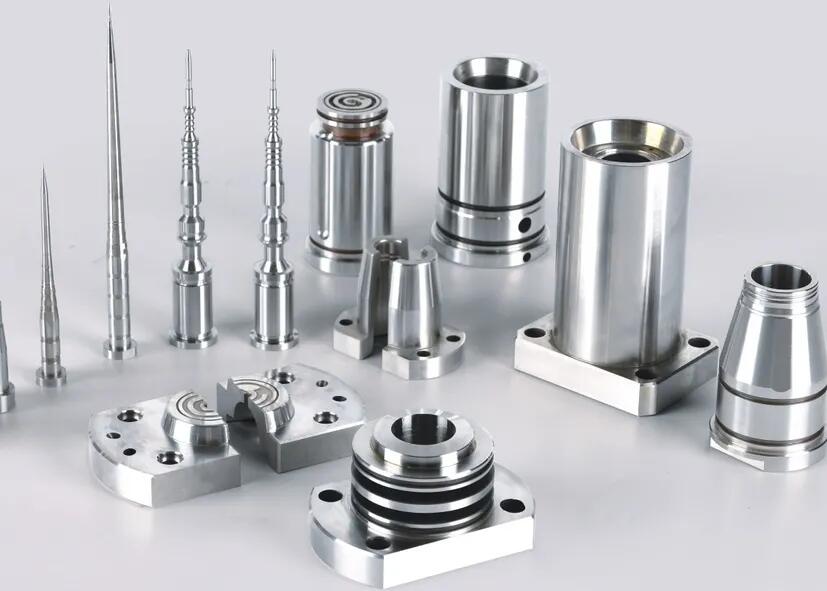
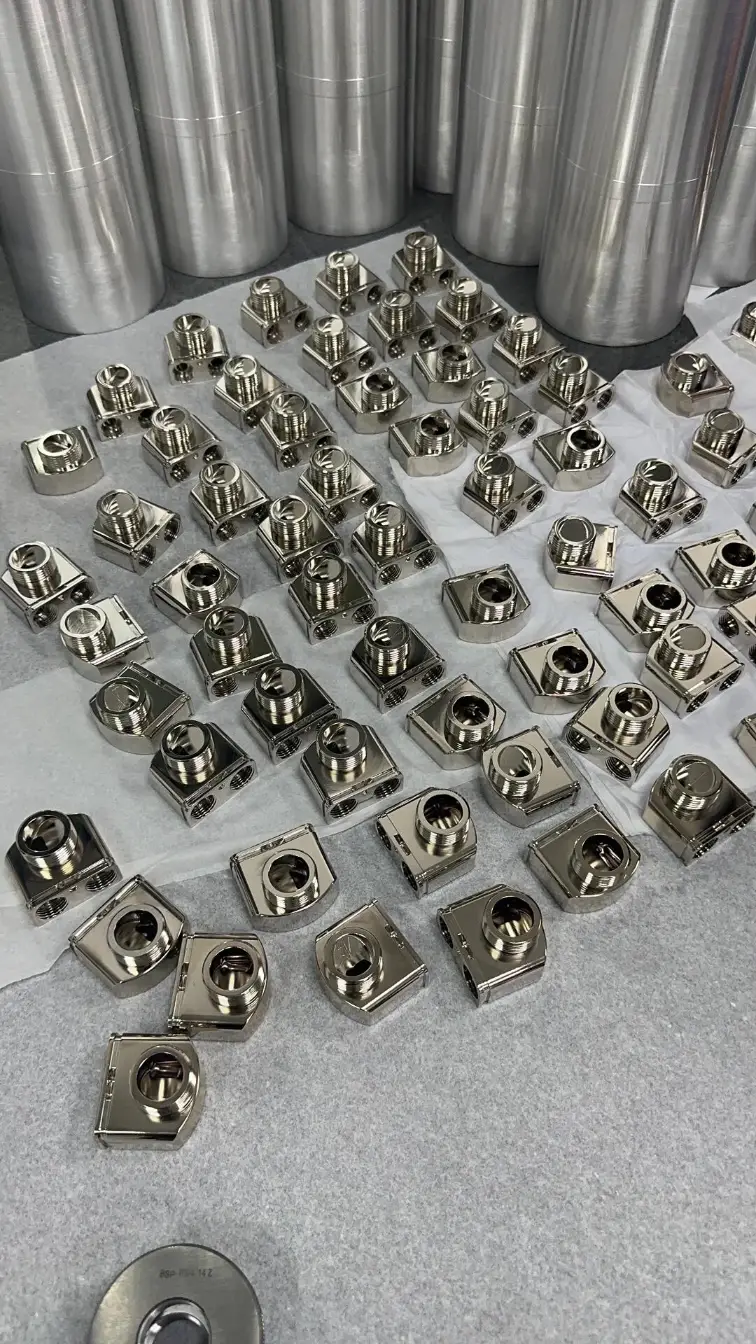
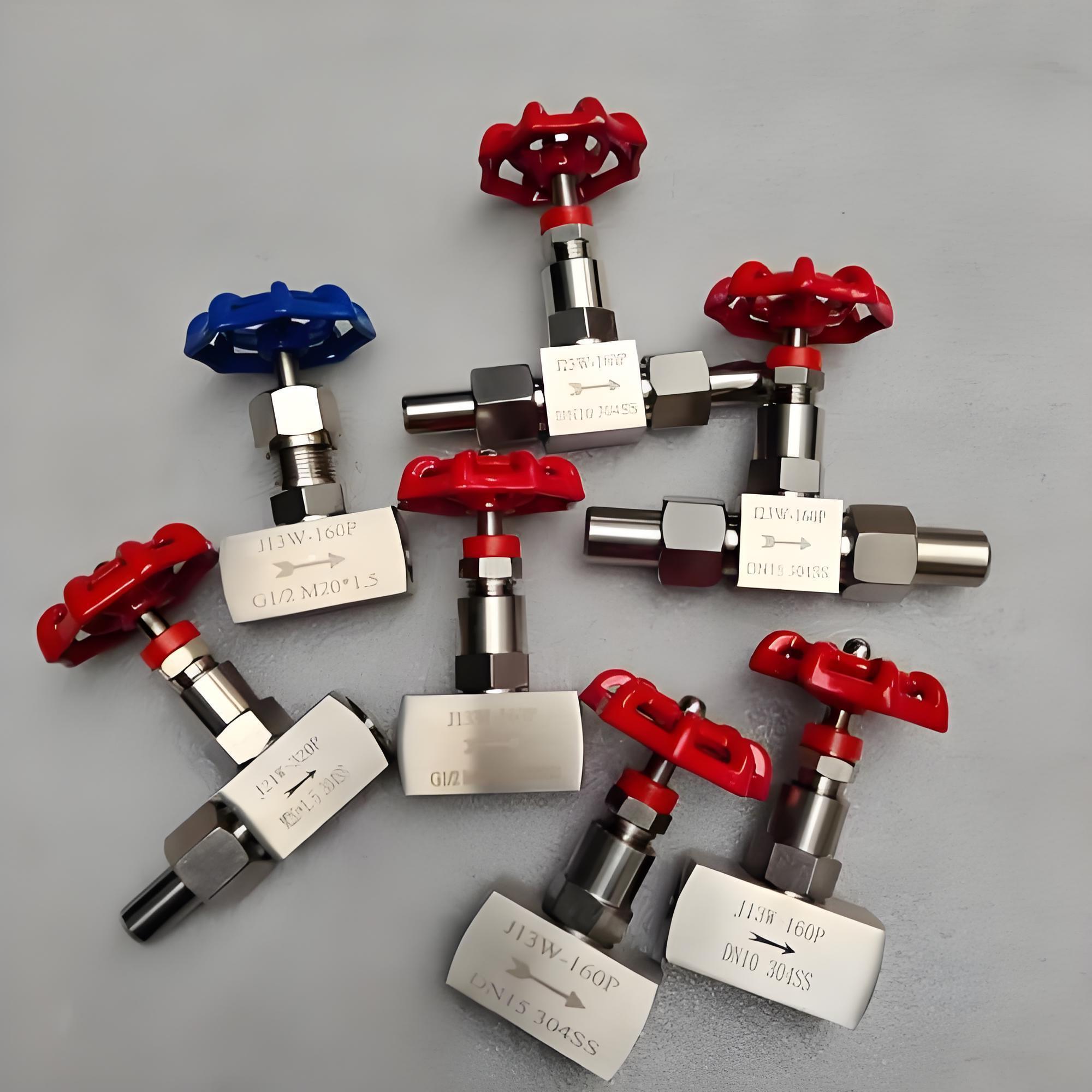
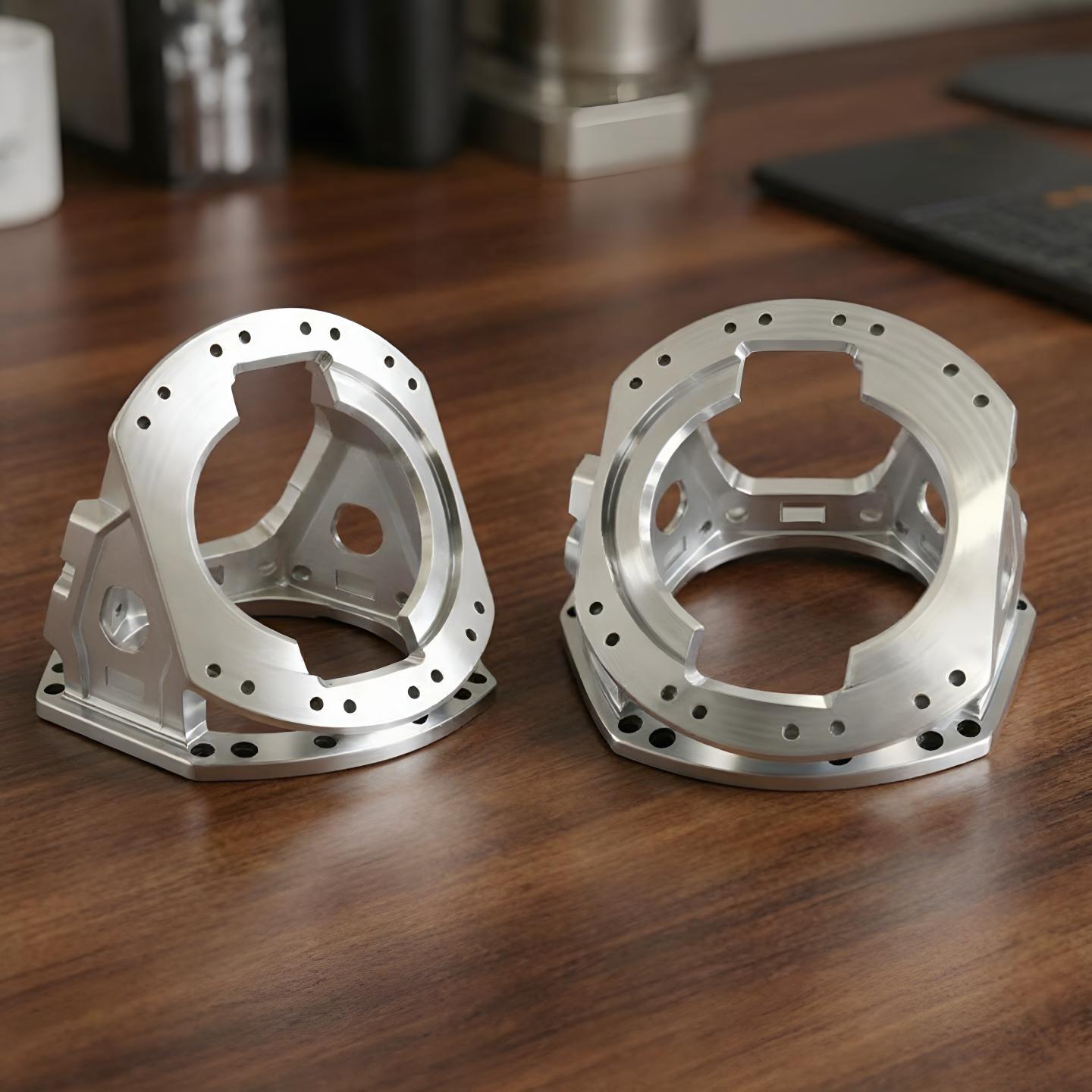
Complete SS316L valve and fluid range: valve bodies (threaded/flanged, any pressure, passivated); spools (h6, O-ring groove per ISO 3601, Ra ≤0.4μm); seats (cone ±0.1°, Ra ≤0.2μm); pump bodies (H7 bore, Ra ≤0.4μm); nozzles (orifice ±0.002mm, Ra ≤0.1μm EP); manifold blocks (multi-port 5-axis, pressure tested 1.5×WP, CMM report); and fittings (NPT/BSP/G, passivated). Pressure testing at 1.5× WP with test certificate on request.
Yes. For medical SS parts: material mill certificate (SS316L per ASTM F138 implant-grade or ASTM A276 surgical-grade, chemical composition per heat number); surface treatment certificate (electropolish or passivation per ASTM A967); Ra measurement documented by profilometer for all medical parts; and ISO 10993-1 manufacturing documentation package (material grade, surface treatment, manufacturing process data) required to initiate biological evaluation. We do not supply finished biological evaluation reports — these require biological testing. All documentation prepared in parallel with production — no additional lead time.
MOQ : 1 pièce for all stainless parts. Lead times: simple turned parts (shafts, sleeves, fittings): 5–10 jours ouvrables. Complex milled parts (valve bodies, manifold blocks, housings): 7–14 jours ouvrables. EP or passivation: ajouter 3–5 jours ouvrables. 17-4PH age-hardening: ajouter 3–5 jours ouvrables. 440C/420 hardening + grinding: ajouter 5–7 jours ouvrables. Medical documentation: prepared in parallel — no additional lead time. Exact lead time confirmed in every quotation.
Données structurées (FAQPage + ItemList + Product schema) intégrées dans l'en-tête de la page · Éligible pour les résultats enrichis FAQ de Google